
Puerto Escondido Beyond Surfing: Activities, Wildlife & Flavors of the Oaxacan Coast (2026)
Most people arrive in Puerto Escondido with an image in their head: enormous waves, surfboards, cocktails at sunset. Some leave with that same image. Those who stay longer discover that beneath the postcard there's a far more complex destination — a lagoon that glows at night, a coastline where turtles hatch every week, a market where mole is sold by weight, and a coastal highway that in ninety kilometers passes through nudist beaches, artisan cosmetics cooperatives and the southernmost point of the North American continent.
This guide doesn't start with the beaches. It starts with what you won't find anywhere else.

What Sets Puerto Escondido Apart from Every Other Surf Destination
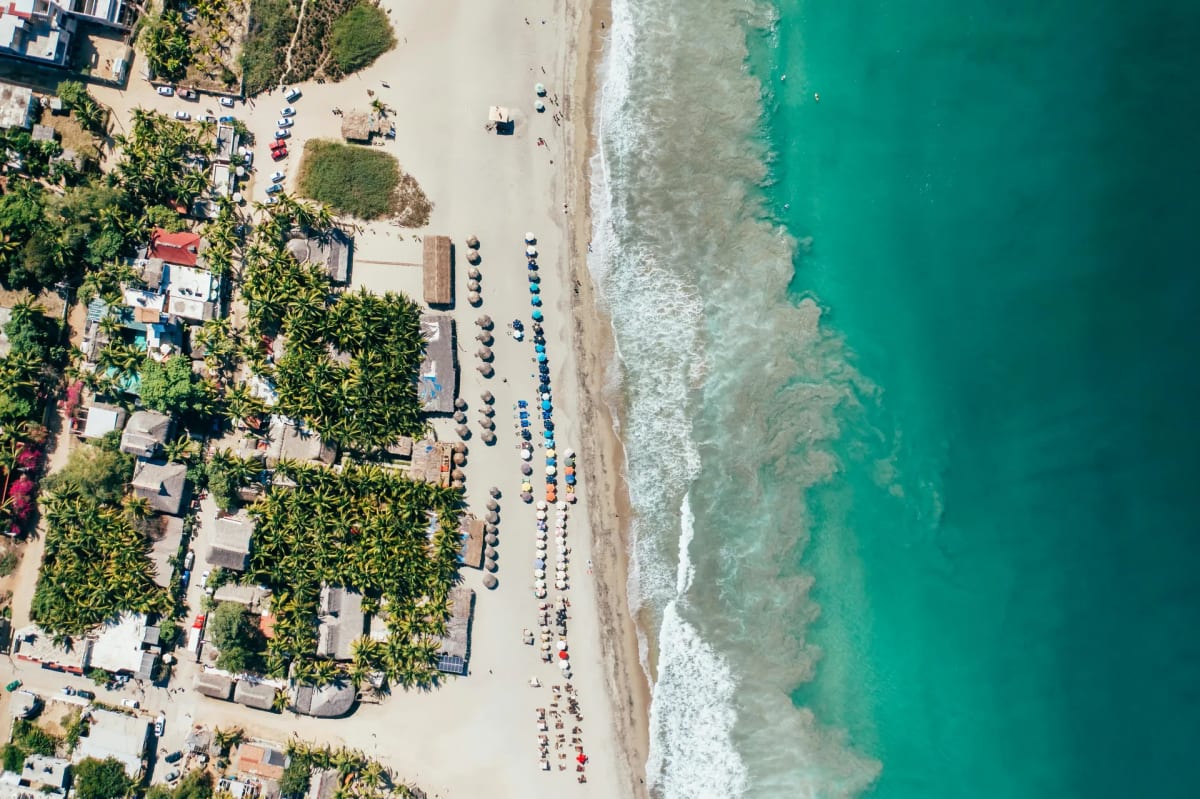
Puerto Escondido is the only one that combines an Olympic-grade pipeline with bioluminescent lagoons fifteen minutes away by car, active sea turtle sanctuaries, humpback whale migration routes and one of the most honest food scenes on the Oaxacan coast. That overlap of ecosystems and cultures is what makes the destination genuinely unrepeatable.
The key to understanding it lies in the geography: Puerto Escondido isn't a beach. It's a coastal city surrounded by three distinct microclimates — the open ocean, the freshwater lagoon and the sierra that descends to the sea. Each of those environments has its own activities, its own creatures and its own rhythms. This guide covers all of them.
Out to the Lagoon: What the Ocean Can't Give You
Fourteen kilometers north of town, Manialtepec Lagoon is a completely different ecosystem from the ocean — and for many visitors, the most intense memory of the entire trip. The activities it offers have no equivalent on any beach.
Kayaking Through Mangrove Roots: Silence and Wildlife
The inner channels of the lagoon form a maze of living tunnels. You paddle in silence under vaulted aerial roots while one-meter iguanas watch you from the branches and tricolored herons hunt centimeters from your kayak. No engine, no noise, no cell signal. The kind of nature that resets you.
Book the mangrove kayak tour — suitable for all fitness levels, no prior experience required.
The Lagoon That Glows at Night
Manialtepec's bioluminescence is one of the most extraordinary natural phenomena accessible from a tourist destination in Mexico. The lagoon hosts an exceptional concentration of dinoflagellates that emit light when disturbed — the result is that swimming here in the dark turns every arm stroke into a trail of blue-green flashes. No photograph captures it accurately. It's something you process with your body, not your camera.
Book the Manialtepec bioluminescence tour — includes transport from town and a specialist guide.
Dawn Among Hundreds of Birds
Manialtepec is also one of the richest birdwatching sites in the state of Oaxaca. Over 280 species have been recorded in the lagoon and along its shores. At dawn, the visual and acoustic spectacle of herons, roseate spoonbills, wood ibis and pelicans in formation is the kind of thing that changes a person's relationship with the natural world.
Book the dawn birdwatching tour — guided by local ornithologists who know every species and their favorite spots on the lagoon.
The Ocean as Stage: What Happens Far from Shore
Puerto Escondido is famous for surfing, but the marine life inhabiting its waters goes far beyond the waves. Seeing it means moving away from the coast — by boat, snorkel mask or simply standing on deck with your eyes open.
Swimming with Spinner Dolphins: The Closest Encounter
The spinner dolphin pods that frequent these waters can number several hundred individuals. Morning boat departures have the highest likelihood of sightings, but what doesn't change is the scale of the encounter: dolphins everywhere, jumping alongside the vessel, spinning under the hull. One of the few wildlife experiences where the animal comes toward you, not the other way around.
Book the dolphin watching tour — departures also include whale watching in season.
Humpback Whales: The Winter Spectacle (December–March)
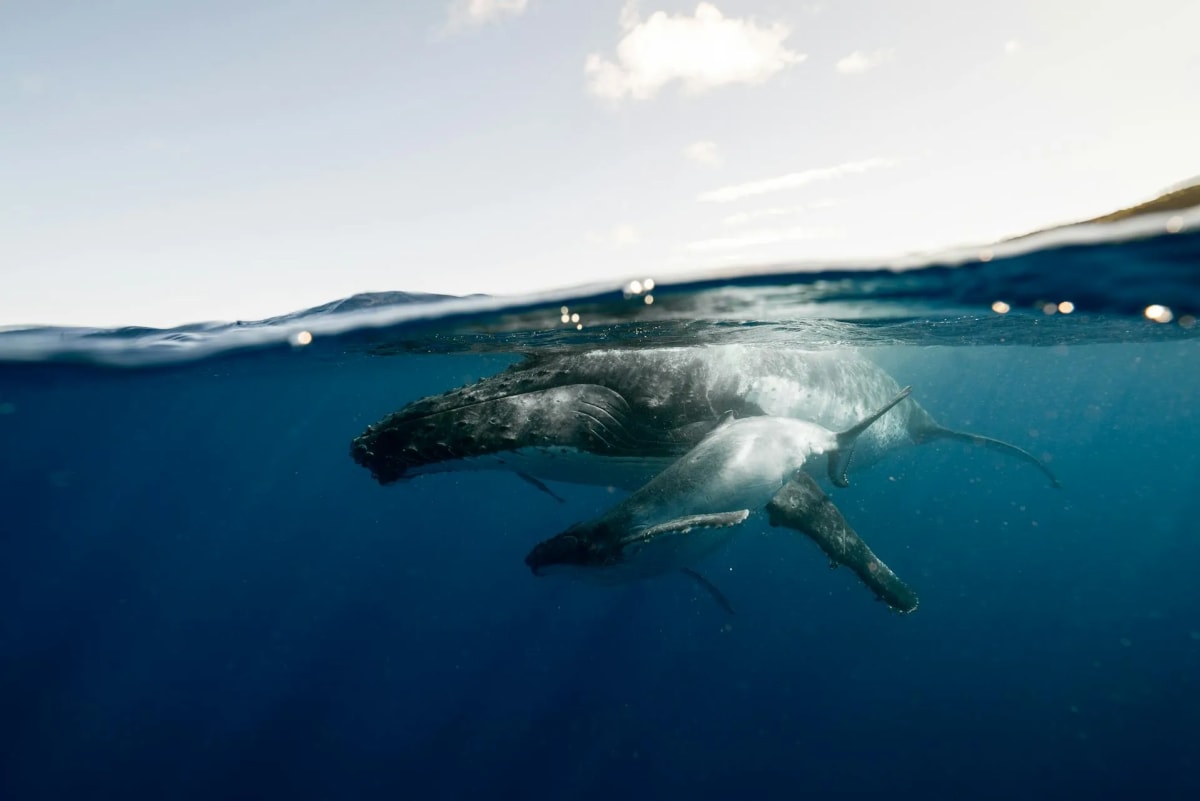
Every winter, humpback whales migrating from the North Pacific pass the Oaxacan coast to breed in warm waters. Watching a fifteen-meter whale lift its fluke fifty meters from your boat is an experience that rewrites the scale of things.
Book the humpback whale tour — December through March, with a cetacean specialist guide.
Rock Reef Snorkeling: Life Beneath the Pacific
Carrizalillo, Puerto Angelito and Manzanillo have rocky reef bottoms with living reefs just meters from the shore. Hawksbill turtles, parrotfish, sea stars and short-tail manta rays are regular sightings. Pacific water is cooler than the Caribbean but in the dry months visibility is extraordinary.
Book the Pacific reef snorkeling tour — by boat to the sites with the highest concentrations of marine life.
Which Beach to Choose Based on What You Want
Not all of Puerto Escondido's beaches are interchangeable. They have radically different personalities, and choosing wrong can ruin a morning.
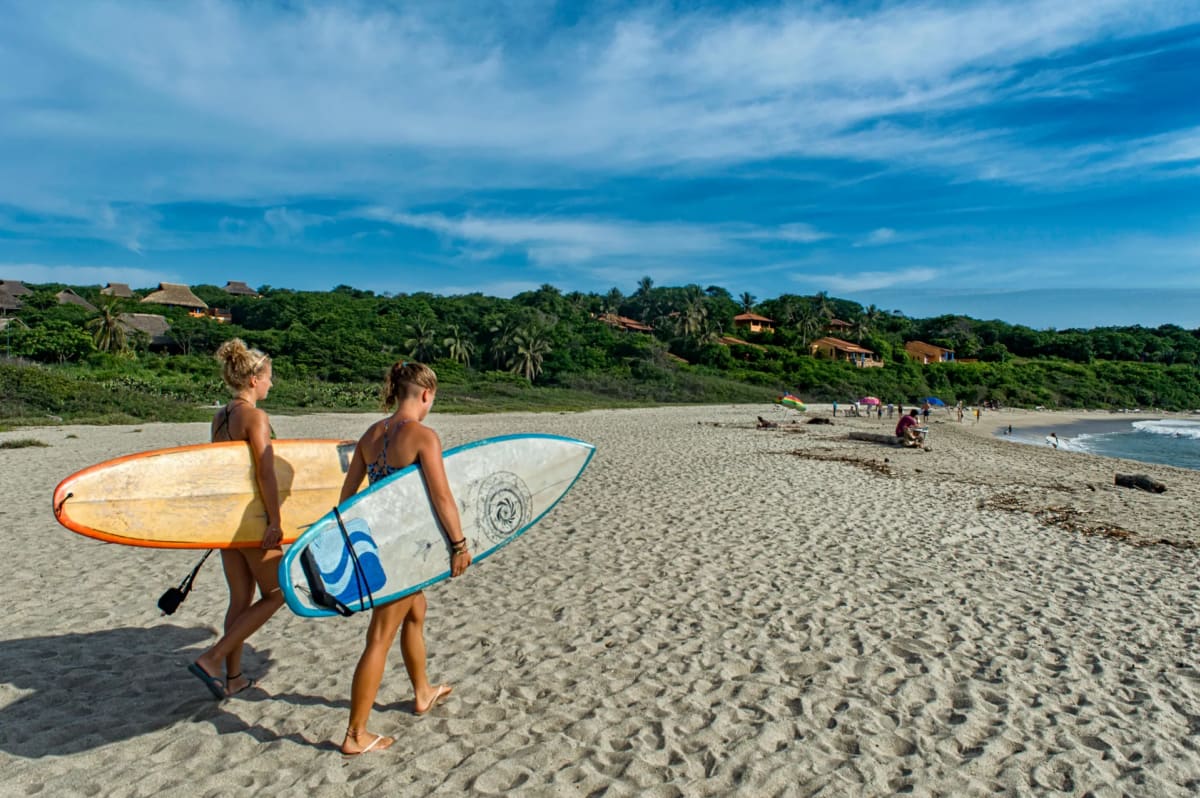
Zicatela — For watching elite surf, walking at sunset and having dinner with sand underfoot. Currents make swimming impossible for 98% of visitors. Don't enter the water without knowing what you're doing.
Carrizalillo — Best beach for swimming, snorkeling and bringing children. Semi-enclosed bay, gentle waves, sandy and rocky bottom. Access requires descending 175 steps.
Puerto Angelito and Manzanillo — Two adjacent family-friendly bays, ideal for shore snorkeling.
Rinconada — The quietest. No vendors, no crowds, no palm-tree selfie shadows. For those who want a real beach experience.
The Turtle Encounter: More Than a Photo for the Feed
Puerto Escondido is one of the most important olive ridley turtle nesting sites in the Eastern Pacific. This isn't about seeing turtles in an aquarium or watching from behind a fence. The local protocol is different: you go to the beach at night with a small group, a park ranger explains the biological cycle, and when the hatchlings emerge from the protected nests, you place them on the sand at the water's edge and watch them find the ocean alone.
It works for all ages but hits especially hard for children — and for adults who thought they were past being surprised by things.
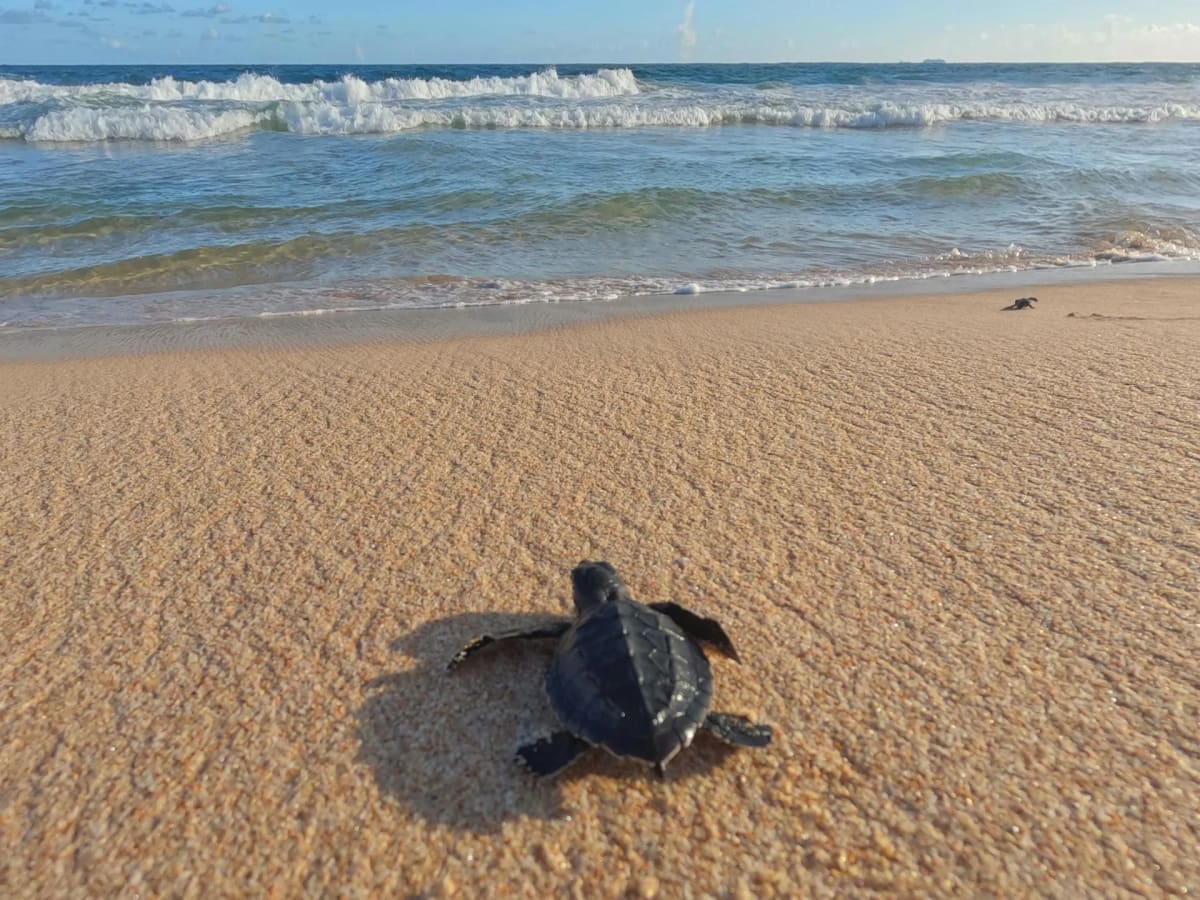
Book the sea turtle release tour — available most of the year, with greatest availability August through December.
On Horseback: Two Routes, Two Completely Different Experiences
Horseback riding in Puerto Escondido isn't the typical single-file trail ride on a dirt path. There are two routes with completely different logics, and choosing based on your mood makes all the difference.
Crossing the River at Sunset
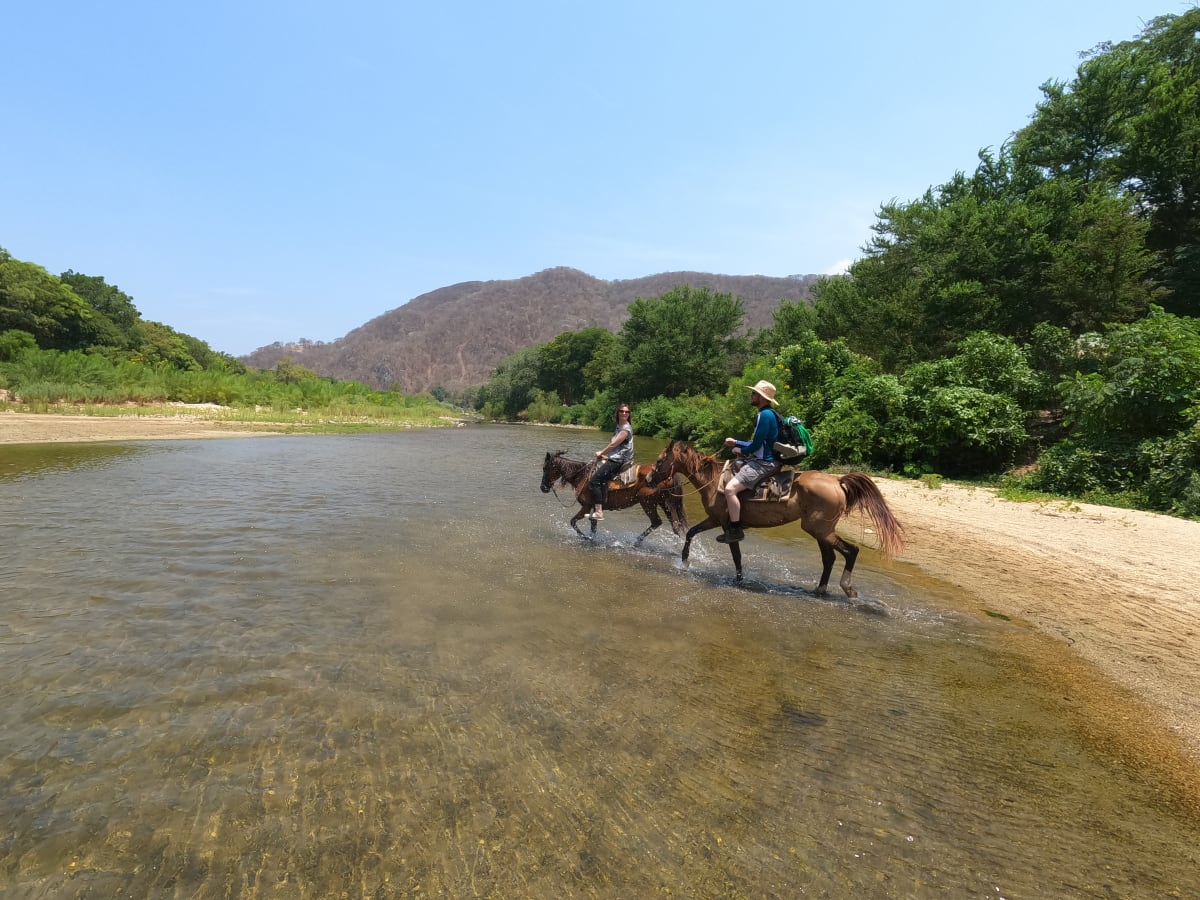
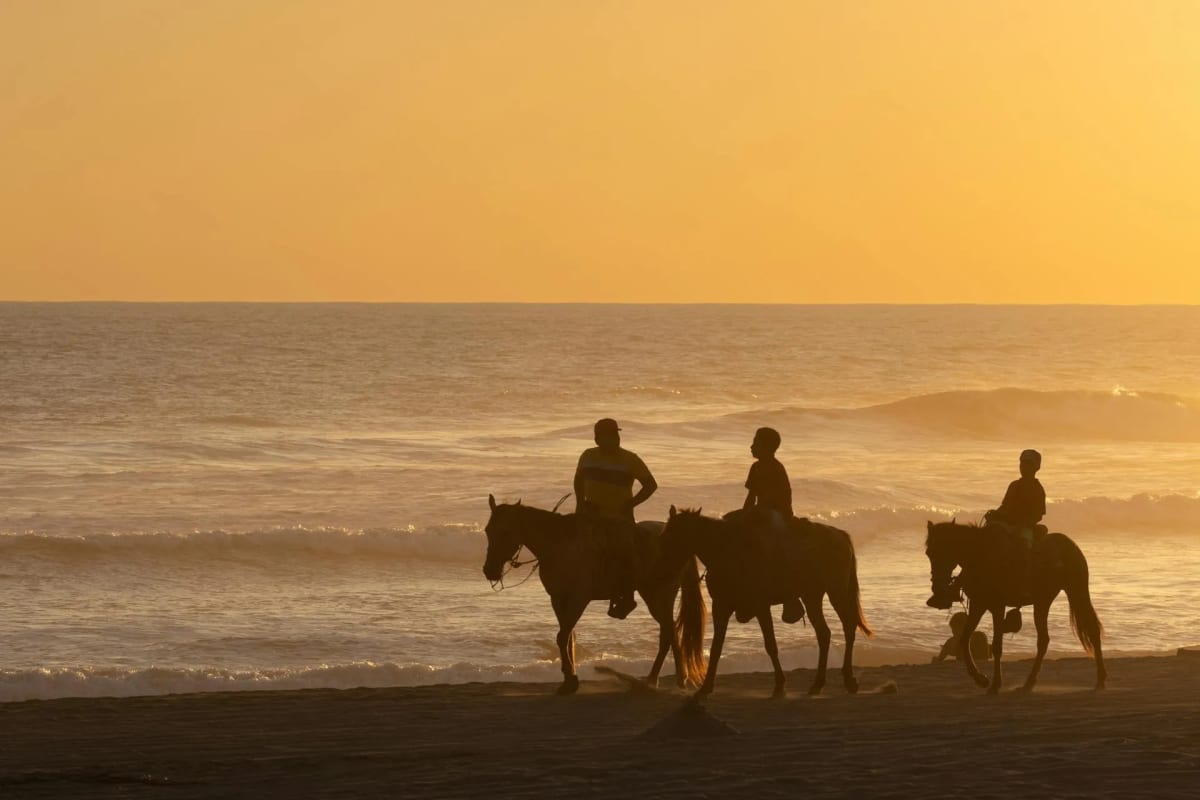
The sunset route crosses a freshwater river on horseback to arrive at the beach at the exact moment the light turns orange. No prior horse experience needed. What you do need is time to stand still and look.
Book the sunset horseback ride — small groups, no prior experience required.
Up to the Thermal Springs Through the Sierra
The second route climbs into the humid sierra and arrives at natural thermal pools between volcanic rocks. Physically more demanding and visually completely different: jungle, river, mountain and hot water as the final destination.
Book the horseback ride to thermal springs — ideal for those who want to leave the coastal environment.
Puerto Escondido at Night: Three Ways to Experience It
Swimming in the Dark: Bioluminescence in the Lagoon
We mentioned bioluminescence above, but it deserves to appear here too because it belongs to the night. The difference between doing it well and doing it mediocrely lies in the guide and the moon. The best nights are new moon nights; the best guides are those who know the lagoon by memory.
Book the nighttime bioluminescence tour.
Dinner with Sand Underfoot
La Punta Zicatela's food scene has evolved to a level that surprises people from major cities. Tlayudas of criollo corn, fresh-catch ceviche, cochinita pibil with sierra chipotle, papalometl mezcal — all in palapa restaurants with sand on the floor and the sound of the Pacific as background music. Look for places without laminated menus and without English signs at the door.


El Adoquín: Where Puerto Escondido Is Puerto Escondido
El Adoquín, the cobblestone street in the historic center, closes to traffic at sunset and becomes the axis of local public life. This isn't tourism — it's where the city's families go for their evening walk, where craftspeople set up their stalls and musicians play for pleasure rather than tips. The most honest version of the destination, and it's free.

When to Leave Town: Three Day Trips That Change the Trip
If you have three days or more, save at least one for getting out of Puerto Escondido. The Oaxacan coast has ecosystems and villages that contrast radically with the city — and cannot be replaced by Instagram photos.
Chacahua: The Parallel World 60 km Away
Chacahua is an island separated from the mainland by a lagoon that can only be crossed by boat. Once inside: thirty-meter mangroves, a free-access community-managed crocodile sanctuary, fishing palapas where the daily menu is decided by what the sea brought that morning, and a beach of dark sand with no hotel umbrellas or plastic cups. The coastal lagoon ecosystem in near-pristine state.

Book the Chacahua excursion — includes transport, mangrove boat tour and free time on the island.

The Mazunte–Zipolite–Punta Cometa Triangle
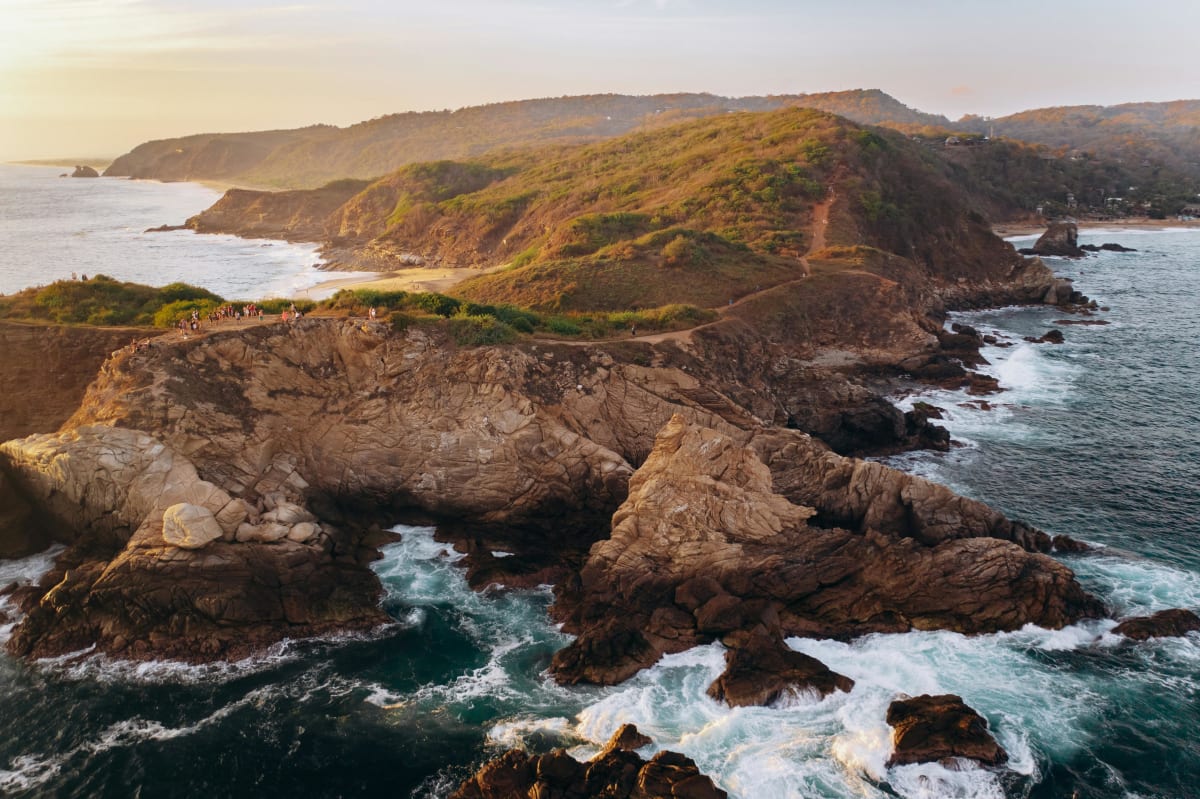
Three coastal villages ninety kilometers east of Puerto Escondido that pack more unique experiences per kilometer than almost any other stretch of coast in Mexico. Punta Cometa is the southernmost point of continental North America, and the viewpoint it offers over the Pacific resembles no other on the continent. Zipolite is the country's only officially recognized nudist beach. Mazunte is home to Oaxaca's most famous natural hygiene products cooperative — and a hawksbill turtle workshop that has been working in marine conservation for decades.
Book the Mazunte–Zipolite–Punta Cometa tour — includes snorkeling, local guide and free time in each village.
Mezcal from a Palenque: Oaxaca in a Glass
The sierra surrounding Puerto Escondido produces mezcal using methods unchanged for centuries: maguey roasted in an earth pit, ground on a stone tahona, fermented in wooden vats and distilled in clay pot stills. A visit to an active palenque — with your nose full of oak smoke and a glass of espadín or tobalá in hand — is one of the most direct ways to understand Oaxacan culture from the inside.
Book the ancestral mezcal palenque tour — includes a guided tour of the production process and varietal tasting.
For Those Who Need Adrenaline: Jump, Fly or Fall
If the coastal pace isn't enough stimulation, Puerto Escondido and its surroundings have options that get the heart rate well above baseline.
Skydiving over the Pacific: The jump happens over the ocean, freefall lasts around forty seconds and the view of the Oaxacan coastline from three thousand meters is among the most dramatic in Mexico. Book the Pacific skydive — no prior experience needed.
Surfing for beginners: The waves at Carrizalillo and La Punta are the perfect classroom. Surf lessons with certified instructors last ninety minutes to two hours, and most people stand up on their first session. Book your surf lesson.
La Ventanilla: Crocodile at Arm's Length
A few kilometers from Mazunte, La Ventanilla is a coastal lagoon managed entirely by the local community since the 1990s. The boat tour through the mangrove channels includes spotting river crocodiles at a comfortable but genuinely close distance — something that very few zoo visits can offer.

The Practical Secrets Nobody Tells You
The Flag System That Can Save Your Life
Every public beach in Puerto Escondido has a daily flag system: green means safe to swim; yellow means caution; red prohibits swimming. Zicatela flies a red flag 80% of the days of the year. The current there doesn't warn you. Respect the system even when the water looks calm — local lifeguards have seen everything.
When to Go Based on What You Want to See

- Humpback whales: December through March.
- High-power surf at Zicatela: May through October (southern swells).
- Most intense bioluminescence: new moon nights, October through February.
- Sea turtle releases: year-round; peak activity August–December.
- Birdwatching: November through March (migratory season).
- Driest and most predictable weather: November through April.
How Many Days Do You Actually Need?
With fewer than three days you're barely scratching the surface. Five days lets you combine water activities, lagoon, a day trip and downtime without feeling like you're on a schedule. A week or more is when you start understanding the rhythm of the place — which is when the destination really begins to work.
Questions Travelers Ask That Nobody Answers Clearly
Can I swim at Playa Zicatela?
Under normal conditions, no. Currents are extremely strong and swimming is inadvisable for most visitors most of the year. For safe swimming, go to Carrizalillo, Puerto Angelito or Manzanillo.
Is bioluminescence visible all year?
Yes, but intensity varies. New moon nights between October and February are the best. During full moon the phenomenon is almost imperceptible. Local operators monitor conditions and can advise you on timing for maximum intensity.
When are there turtles?
The mass nesting season ("arribo") runs August through December, but the protected hatcheries release hatchlings throughout virtually the entire year. Confirm availability directly with the operator before booking.
Is Puerto Escondido safe for solo travelers?
Yes. The tourist areas — Zicatela, La Punta, Carrizalillo, El Adoquín — are busy and well-lit. The biggest real risk the destination presents is the ocean, not urban safety. Apply the same common sense you'd use in any tourist destination.
What to eat that isn't tourist-restaurant food?
Go to the central market in the morning — black mole with tasajo, bean tlayuda and tejate are local breakfasts that cost less than two dollars and appear in no TripAdvisor review. In the afternoon, the ceviche stalls near Manzanillo beach are the best-kept secret of the local beach food scene.
One Last Thing to Take With You
If there's anything that travelers who know Puerto Escondido well try to pass on to those arriving for the first time, it's this: plan less than you think you need to. The destination works better when you leave space in it. The best things that are going to happen to you here probably aren't in this guide — or in any other one.
Book the activities that feel non-negotiable. Leave the rest open.

auto_awesomeContinue exploring Puerto Escondido
You Might Also Like
 articleAventurascalendar_todayJan 20, 2026
Playa Zicatela: Your Complete Guide to the Mexican Pipeline
Stretching over three kilometers of golden sand and thunderous surf, Playa Zicatela is the beating heart of Puerto Escon
 articleAdventurescalendar_todayApr 23, 2026
Puerto Escondido Surf Conditions by Month: Swell, Wind & Crowds
Generic 'best time to visit' guides don't cut it for surfers. This one is purely for wave hunters: south swell timing, o
 articleAdventurescalendar_todayApr 20, 2026
La Punta vs Zicatela: Which Wave Is Right for Your Level?
Zicatela and La Punta are ten minutes apart on foot. The waves are completely different worlds. This guide is not about