
La Punta vs Zicatela: Which Wave Is Right for Your Level?
Puerto Escondido has two waves that come up in every conversation about surfing in Mexico. They're ten minutes apart on foot. They share the same sky, the same Pacific sunset, the same water. And yet they are completely different worlds.
Zicatela is one of the most powerful beach breaks on the planet — a sand tube that has knocked out professional surfers and triggered helicopter rescues. La Punta is a cobblestone-and-sand point break that generates long, shapely, and within certain limits forgiving waves. Both are in Puerto Escondido. But not both are for you.
This guide doesn't cover where to stay (for that, see our surfer's accommodation guide). This guide is about the waves themselves — the physics of the water, the type of break, the bottom, the level they demand, and the kind of surfing they allow. The goal is that you arrive knowing exactly which wave is yours.

Zicatela: The Wave
Zicatela breaks as a sand beach break fully exposed to both North and South Pacific swell with zero protection. In wave terms, this means maximum power, minimum depth, and a breaking speed that leaves no margin for error.
Technical wave characteristics
- Bottom type: Sand. No visible reef or rock — but the sand bottom is so close to the surface that wipeouts are brutal. Compacted sand at high pressure behaves almost like concrete when you fall head-first from the crest of a six-meter wave.
- Wave shape: Hollow, fast, tubular. The lip advances almost horizontally before pitching, creating short and intense barrels. This is not a wave that "opens" slowly giving you time to react — it's a wave that decides and executes.
- Size: Zicatela receives swell regularly. In normal seasonal conditions, waves measure 1.5–3 meters. In the big winter swells (November to February) and some South Pacific systems (May to August), face height climbs to 4–8 meters, with the largest sets touching 10 meters or more. The Puerto Escondido Challenge runs when the best big-wave swells arrive.
- Currents: Strong. The water that enters with each set has to exit somewhere — and it exits as rip currents that can pull an experienced swimmer without warning. This is not hyperbole: Zicatela has a documented history of drownings.
- Shorebreak: The shorebreak at Zicatela is one of the most dangerous on the Oaxacan coast. Entering and exiting the water requires timing, ocean reading, and knowledge of the spot. For non-surfing swimmers, this beach is actively dangerous.
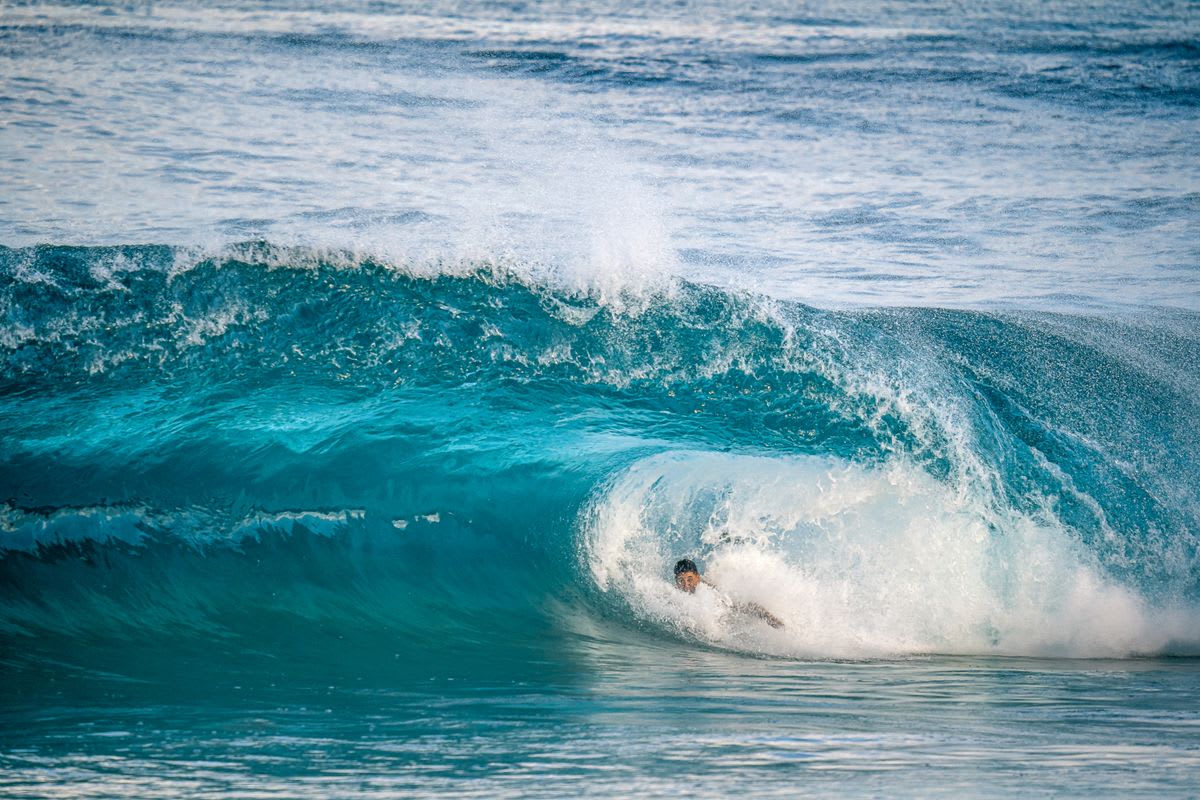
What kind of surfing does Zicatela allow?
Zicatela is a performance wave. On its face, on moderate-size days (1.5–2.5m), advanced-intermediate surfers can execute ripping turns and floaters. On big days, the wave transforms: it becomes pure tube surf, about positioning and survival, where paddling technique, reading the set, and the ability to hold underwater through two consecutive hold-downs matter more than any maneuver. See our complete Zicatela guide for the historical context and everything you need to know about the spot.
La Punta: The Wave
La Punta sits at the southern end of Zicatela beach, where the sand terminates and the small headland of Punta Zicatela completely transforms how swell arrives at the bottom. The result is a wave that differs from Zicatela in almost every way.
Technical wave characteristics

- Bottom type: Cobblestone and sand. The mix of rocky bottom and sand creates a more consistently shaped wave than Zicatela, with a more predictable break. The bottom isn't as aggressive as Zicatela's compacted sand, though head-first falls still hurt.
- Wave shape: Softer, longer, more open. The wave breaks from a peak and peels to the right (it's primarily a right-hander) giving long sections that allow maneuvers, barrel time in the hollower sections, and timing practice. It doesn't have Zicatela's speed or power, but it offers something Zicatela almost never gives: time.
- Size: La Punta receives the same swell as Zicatela but the headland geometry transforms it. In similar conditions, La Punta is typically half a meter to a meter smaller than Zicatela. On big swell days, La Punta can get very serious — but the percentage of un-surfable days is much lower.
- Currents: Moderate. They exist, especially when swell builds, but don't have the aggression of Zicatela's rips. The point break configuration makes reading the water easier.
- Entry and exit: More manageable than Zicatela. Lineup access is made by working around the headland rocks or paddling out through the sand zone when size permits.
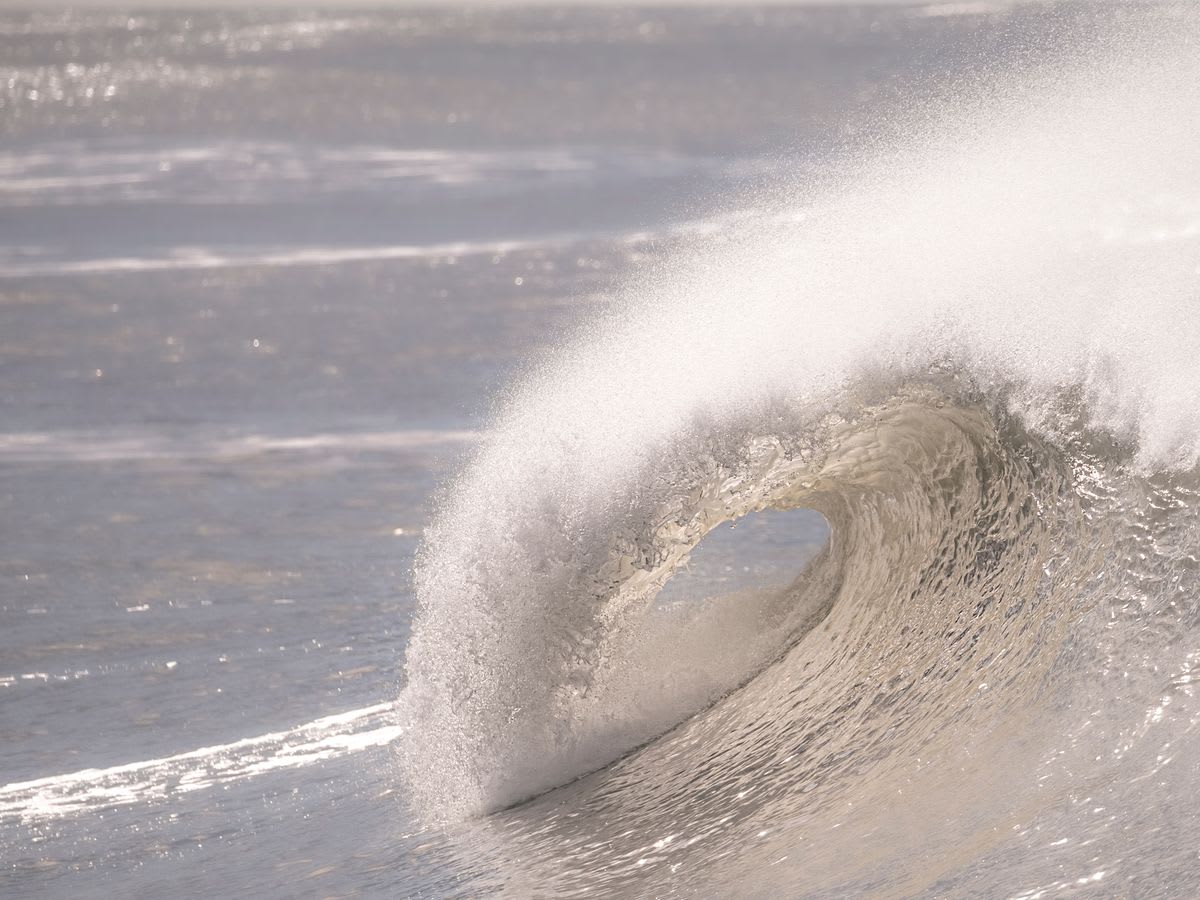
What kind of surfing does La Punta allow?
La Punta is a versatile wave. It works for longboards, shortboards, fish, and everything in between. On small clean days it's perfect for progressing basic maneuvers and getting comfortable with hollower sections. On medium days it offers the kind of wave intermediate surfers dream about: long, shapely, with varied sections. On big days it demands respect — it's not Zicatela, but it's not a pool either.
Level-by-Level Breakdown
Complete beginner (first or second time on a board)
Zicatela: No. Under any circumstances. The shorebreak alone is enough to get injured before reaching the lineup.
La Punta: No either, except on exceptionally small and calm days, and only with an instructor present. The rock configuration and currents are not ideal for someone who doesn't yet know how to fall.
Recommendation: Carrizalillo (see below) or a protected beach in the region with controlled conditions and professional lessons. See our surf lessons in Puerto Escondido for instructor-guided options.
Learning (you've had lessons, you stand up, but still inconsistent)
Zicatela: No. Not yet.
La Punta: Only on very small days, with an experienced surfer present, and after learning to read the currents. Entry and exit require attention.
Recommendation: Stay in Carrizalillo or look for minimum-size days at La Punta with a local guide. Always observe the water before paddling out.
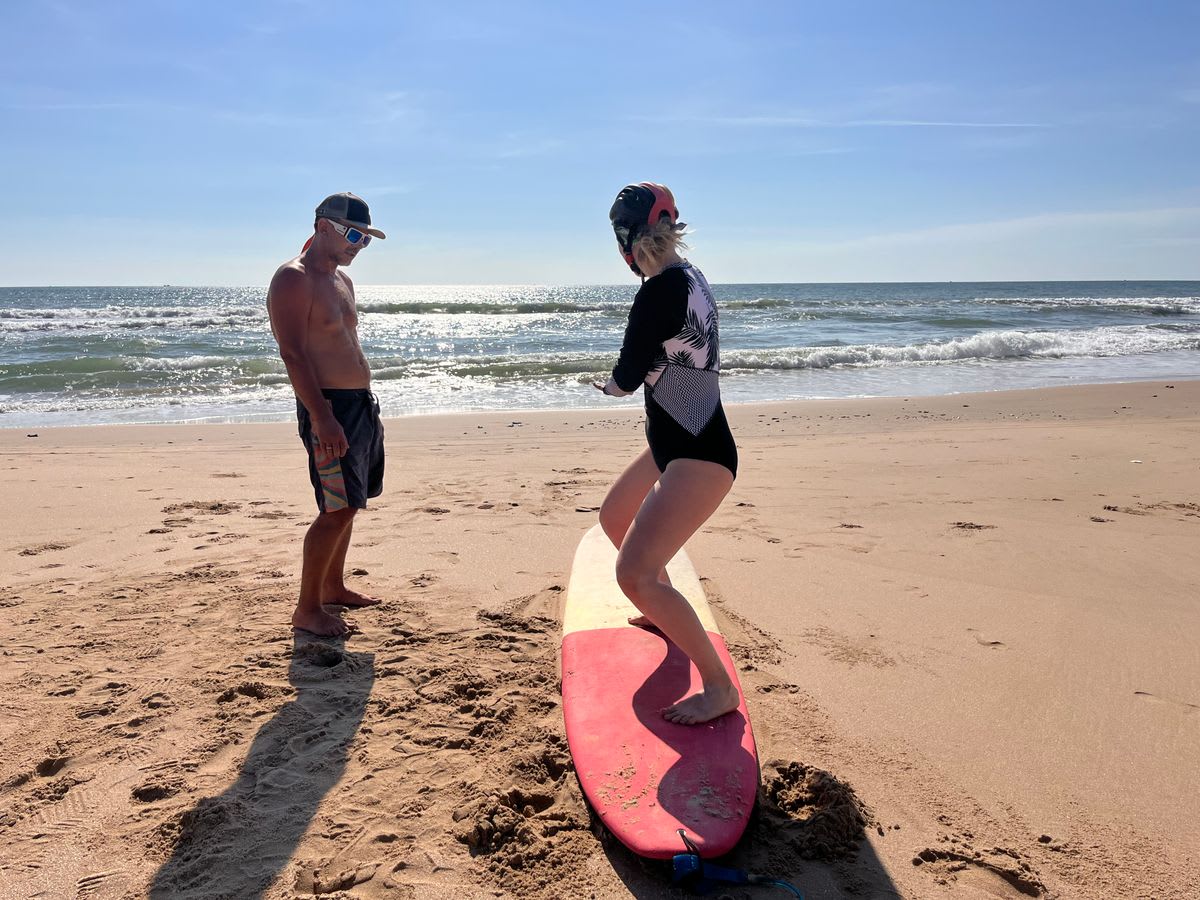
Intermediate (you surf regularly, you can read the ocean, you have basic maneuvers dialed in)
Zicatela: Possible on small days (waves up to 1–1.5m on the face) with careful ocean reading and solid current management. This is the moment to start understanding Zicatela from the inside — but without pressuring yourself into sets beyond your level.
La Punta: Your home break. In medium-size conditions, La Punta offers exactly the kind of wave an intermediate surfer needs to grow: varied, technical without being lethal, with sections that force you to improve your timing.
Recommendation: La Punta as your base, Zicatela as exploration on small days.
Advanced (you comfortably surf 2m+ waves, you have experience in hollow waves, you know currents)
Zicatela: Yes, with knowledge of the spot. Zicatela in 2–4m conditions is one of the most intense surfing experiences in the world for advanced surfers. The barrel is real, currents are manageable for someone with experience, and the wave quality on those days is world-class.
La Punta: Still fun, especially for recovery days or when Zicatela is too big for your preference that day.
Recommendation: Alternate based on swell size and your energy level.
Expert / Professional (big waves, tubes, competition)
Zicatela: This is what it exists for. In the major winter swells, Zicatela is one of the very few places on earth where you can surf 6–8 meter barrels over a sand bottom. The risk is proportional to the reward.
La Punta: Active rest between Zicatela sessions. Or the alternative when Zicatela goes "closed out" (when the swell is so massive that waves break shore to shore with no shape).


The Crowd Factor: Who Goes Where and When
Zicatela has its own surfer ecosystem. On small days, the water mass is wide and the lineup doesn't saturate — you can surf without pressure. On big swell days, the spectacle moves to the sand: hundreds of spectators and a handful of elite surfers in the water. The hierarchy in the water is real and respected.
La Punta has more of a mix. The lineup is smaller geographically, which means it can get congested in high season (December–January, Easter week). Basic surf etiquette applies: respect the priority order, no drop-ins, no snaking. Locals have priority — respect that and the vibe is good.
Best time to surf La Punta without excessive crowds: early morning (6–8am) or weekdays outside peak season. At Zicatela, big days naturally filter the lineup — only those with the level get in.
Best Time of Year for Each Wave
Zicatela
- November–February (north swell): The biggest waves of the year. Waves of 4–8m+ on the best days. Water is slightly cooler (25–26°C) but conditions are epic. This is the season of the Puerto Escondido Challenge.
- May–August (South Pacific swell): Swells generated by southern hemisphere storms. Warmer water, but shorter period waves. Less consistent in size but can deliver memorable days.
- September–October: Hurricane season. The ocean can go flat or explode without warning. Not ideal for planning around waves.
La Punta
- Year-round with swell: La Punta needs some swell to work well. In the summer flats (July–August between swells) it can get very small.
- Best combination: Medium-size north swells (October–November) give the cleanest and most manageable conditions.
- Peak quality season: December–February offers consistent conditions with morning offshore winds that groom the wave.
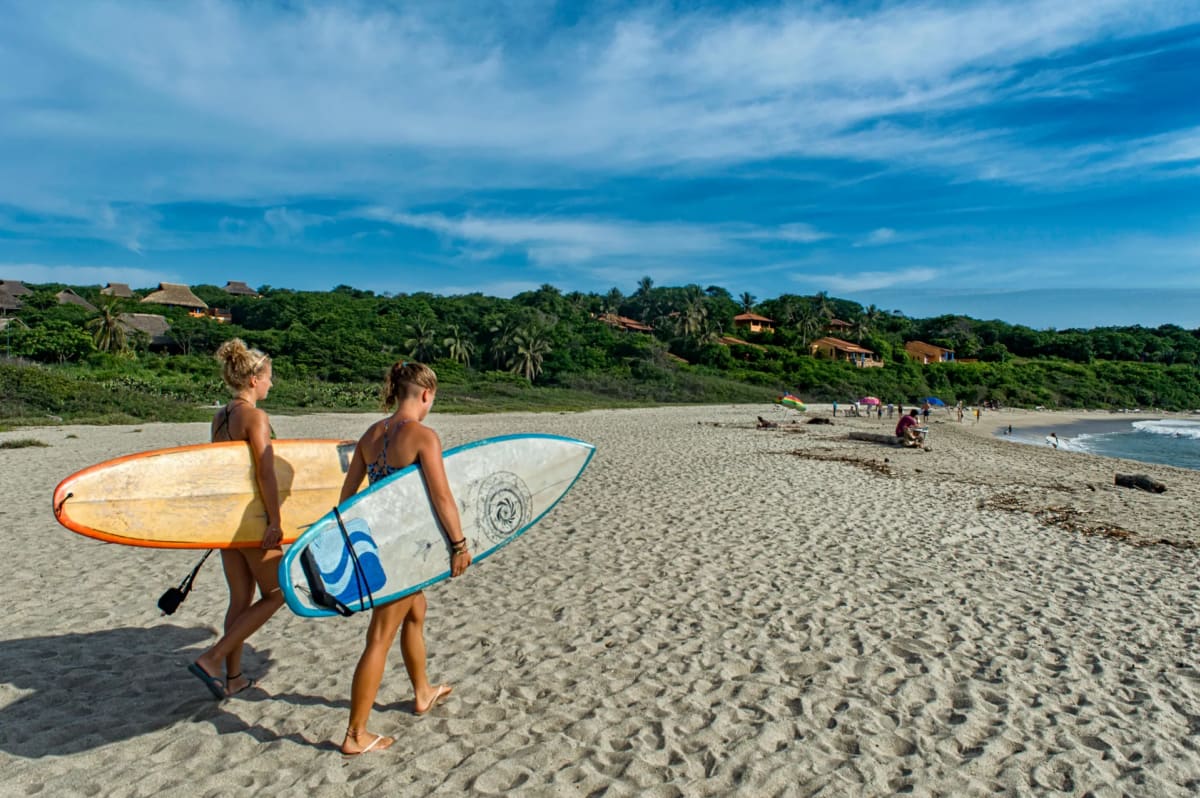
Carrizalillo: The Real Beginner-Safe Option
If you're a beginner or still learning, neither Zicatela nor La Punta is your wave. The honest option is Carrizalillo.
Carrizalillo is a small enclosed bay west of Puerto Escondido's town center, reached by descending about 160 steps. The bay's natural protection softens the swell, the sand bottom is gradual, and the waves break with enough shape to learn on without the aggression of the open Pacific. Surf schools operate there, the atmosphere is calmer, and progression is visible session by session.
It's not glamorous like Zicatela. It doesn't have La Punta's social scene. But it's where surfing gets learned in Puerto Escondido — and learning in the right place is what eventually leads you to the other two.
Gear Considerations: Which Board for Which Wave
For Zicatela
- Shortboard (6'0"–6'6"): The standard for medium to large conditions. More maneuverable, better for getting into the tube.
- Gun (7'0"–8'0"+): For big days. A longer board with more rail volume allows powerful paddling into 5m+ waves. This is non-negotiable — using a board that's too short on a big day is a mistake with serious consequences.
- Heavy-duty leash: A leash at Zicatela is not optional. And it needs to be strong — the forces generated in a big-wave wipeout can snap a mid-range leash.
For La Punta
- Longboard (9'0"+): Ideal for small to medium days. La Punta's long wave is perfect for noserides and enjoying the full ride.
- Mid-length / Fish (7'0"–8'0"): The most versatile option. Works across almost every size La Punta can offer.
- Shortboard: Works on bigger days, especially when sections get hollow.

Practical: Board Rental, Lessons and Getting There
Board rental
Several rental points operate along the Zicatela and La Punta zone. Typical prices are 150–250 MXN per hour and 300–500 MXN per day depending on board type. The shops along Boulevard Benito Juárez (Zicatela's main street) have a good selection of shortboards, fish, and longboards. For specific big-wave boards (guns), ask directly at the more specialized shops.

Surf lessons
Professional surf lessons in Puerto Escondido are primarily held at Carrizalillo and more sheltered beaches in the area. Booking in advance during high season is recommended. Check available options on our surf lessons page. A local instructor doesn't just teach technique — they also read the ocean and tell you the safe moment to paddle out.
Getting to each wave
- Zicatela: Boulevard Benito Juárez leads directly to the beach. From Puerto Escondido's town center, taxi or mototaxi are the quickest options (under 10 minutes).
- La Punta: At the southern end of Boulevard Benito Juárez, where Zicatela beach ends and the headland begins. Walking from Zicatela takes about 10–15 minutes.
- Carrizalillo: West of the historic town center. Taxi from Zicatela or mototaxi. Descending the steps takes about 5 minutes — going back up, a bit more.
For where to stay near each wave, our surfer's accommodation guide covers options by zone and budget.

Conclusion: The Honest Recommendation by Level
Puerto Escondido is an extraordinary surf destination precisely because it has waves for everyone — but the wrong wave for the wrong level can ruin (or end) a trip. Here's the summary:
- Complete beginner: Carrizalillo with an instructor. No exceptions.
- Still learning: Carrizalillo, very small days at La Punta with a guide only.
- Intermediate: La Punta is your wave. Start understanding Zicatela from the sand.
- Advanced: Alternate. La Punta for calibration days, Zicatela when the size is right for your level.
- Expert: Zicatela on big swell. La Punta as complement.
And if you arrive and the waves aren't at their best — Puerto Escondido has far more to offer. From kitesurfing at La Barra de Colotepec to the bioluminescent lagoon at Manialtepec, this coastline never has a day without something.
auto_awesomeContinue exploring Puerto Escondido
You Might Also Like
 articleAventurascalendar_todayJan 20, 2026
Playa Zicatela: Your Complete Guide to the Mexican Pipeline
Stretching over three kilometers of golden sand and thunderous surf, Playa Zicatela is the beating heart of Puerto Escon
 articleAdventurescalendar_todayApr 23, 2026
Puerto Escondido Surf Conditions by Month: Swell, Wind & Crowds
Generic 'best time to visit' guides don't cut it for surfers. This one is purely for wave hunters: south swell timing, o
 articleAdventurescalendar_todayApr 17, 2026
Kitesurfing & Kiteboarding in Puerto Escondido: Conditions, Spots & Lessons
Puerto Escondido isn't the easiest kitesurfing destination in Mexico — and that's precisely what makes it interesting fo