




Puerto Escondido Colectivo Guide: How to Use Shared Transport Like a Local
Navigating Puerto Escondido like a local means mastering the colectivo system—the affordable, authentic way to explore this coastal paradise. These shared minivans connect every corner of town, from Zicatela’s surf breaks to La Punta’s beach clubs, for just a fraction of what you’d pay for taxis. Whether you’re heading to Carrizalillo Beach for snorkeling or exploring the mangroves, understanding how colectivos work will save you money and give you a genuine glimpse into daily life in Oaxaca. This comprehensive guide covers everything you need to know about routes, fares, safety, and insider tips for riding Puerto Escondido’s most popular form of public transport.
What Is a Colectivo and How Does It Work?
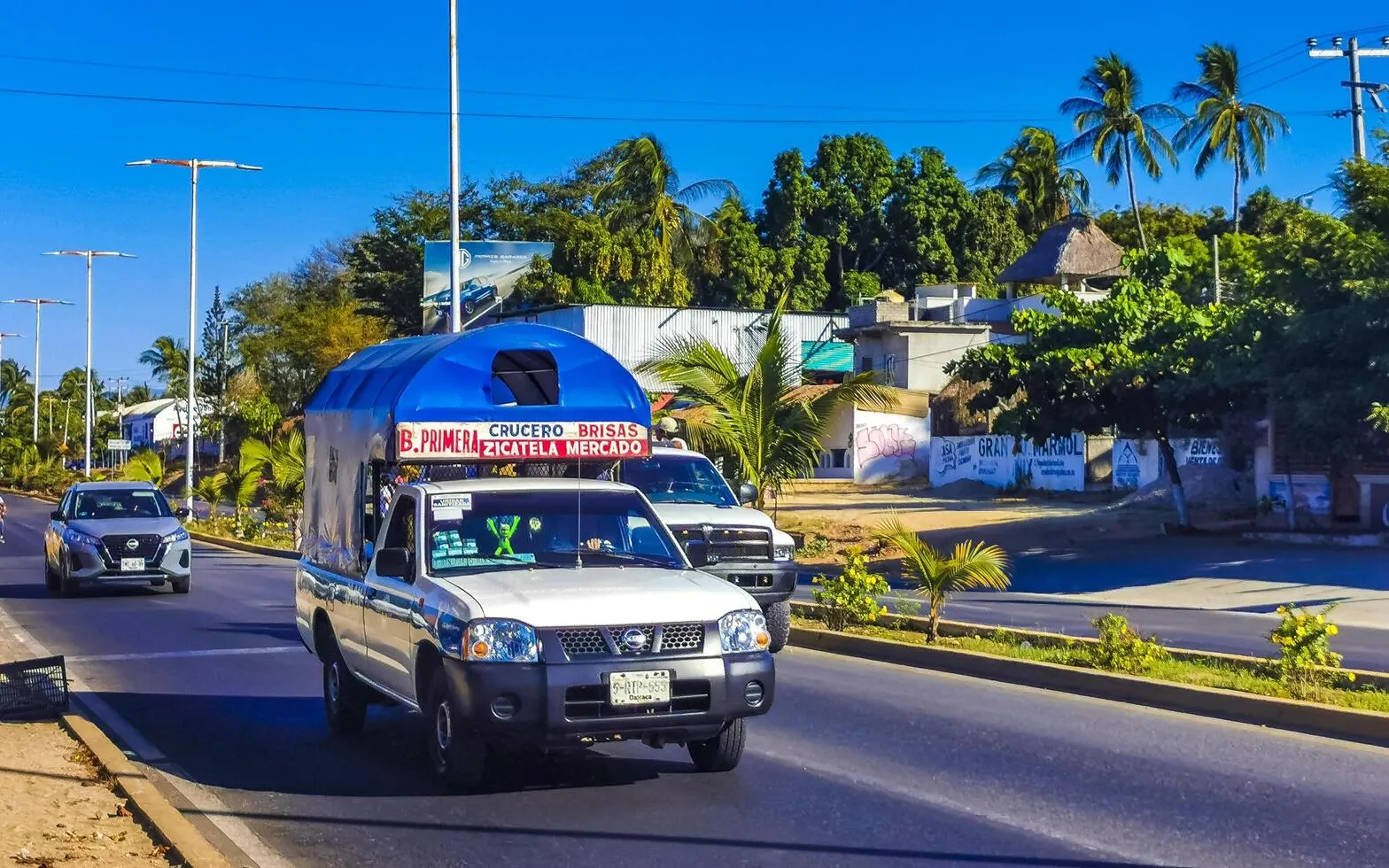
A colectivo is a shared minivan or van that operates on fixed routes throughout Puerto Escondido, functioning as the town’s informal public transportation system. Unlike buses with set stops, colectivos pick up and drop off passengers anywhere along their route—you simply wave them down from the roadside or ask the driver to stop when you reach your destination. These vehicles, typically Nissan Urvan vans or similar models, can carry 10-15 passengers and run continuously from early morning until late evening.
The beauty of the colectivo system lies in its simplicity and affordability. Fares are standardized based on distance, ranging from 8 to 15 pesos (USD $0.45-0.85) for most routes within Puerto Escondido. According to Mexico’s Secretariat of Communications and Transportation, colectivos are recognized as an essential component of local mobility in coastal communities, providing accessible transport for both residents and tourists.
Main Colectivo Routes in Puerto Escondido
Puerto Escondido’s colectivo network covers four primary routes that connect the town’s main areas:
| Route | Coverage | Typical Fare | Operating Hours |
|---|---|---|---|
| Zicatela – Centro | Main beach to downtown, passing Adoquín | 8-10 pesos | 6:00 AM – 10:00 PM |
| La Punta – Centro | Western beaches to central area | 10 pesos | 6:30 AM – 9:00 PM |
| Bacocho – Centro | Hotel zone to downtown | 10 pesos | 6:00 AM – 9:30 PM |
| Carrizalillo – Centro | Beach communities to central hub | 10-15 pesos | 7:00 AM – 8:00 PM |
How to Signal and Board a Colectivo
Catching a colectivo is straightforward once you understand the system. Stand on the side of the road facing the direction you want to travel and extend your arm to signal an approaching colectivo. Drivers will slow down if they have space—colectivos won’t stop if they’re already full. Once aboard, find a seat and the driver will collect your fare either immediately or near your destination. Simply tell the driver where you’re going or say “aquí” (here) when you want to get off.
Essential Tips for Riding Colectivos Safely
While colectivos are generally safe and reliable, following these practical tips will enhance your experience and help you navigate like a seasoned traveler. The key is being prepared, aware, and respectful of local customs.
Safety and Security Guidelines
- Keep valuables secure: Hold bags on your lap rather than placing them on the floor, and keep phones and wallets in front pockets or secure compartments.
- Have exact change ready: Drivers appreciate small bills and coins. Bring 10 and 20 peso notes or coins to avoid complications.
- Avoid peak hours when possible: Colectivos are most crowded between 7-9 AM and 5-7 PM during the work commute. Traveling mid-morning or early afternoon offers more comfortable rides.
- Sit near the exit: If you have a short ride, position yourself near the sliding door for easy departure without disturbing other passengers.
- Trust your instincts: If a colectivo feels overcrowded or unsafe, wait for the next one. They pass frequently on main routes.
According to Oaxaca’s official tourism portal, visitor safety remains a priority, and colectivos are monitored by local authorities to maintain service standards.
Weather and Seasonal Considerations
Puerto Escondido’s tropical climate affects colectivo travel, especially during the rainy season (June through October). Vehicles can become humid and crowded during afternoon downpours, and some unpaved roads to remote beaches may become temporarily difficult to access. During high tourist season (November through April), colectivos run more frequently and extend their evening hours to accommodate increased demand. If you’re planning to catch a whale watching tour or early morning sea turtle release, factor in colectivo schedules to arrive at meeting points on time.
Cost Comparison: Colectivos vs. Other Transport Options
Understanding your transportation choices helps you budget effectively and choose the right option for each situation. Here’s how colectivos stack up against other common transport methods in Puerto Escondido:
| Transport Type | Short Trip Cost | Long Trip Cost | Convenience | Best For |
|---|---|---|---|---|
| Colectivo | 8-10 pesos | 10-15 pesos | Moderate | Budget travelers, local experience |
| Taxi | 50-80 pesos | 100-150 pesos | High | Groups, luggage, late night |
| Moto-taxi | 30-40 pesos | 60-80 pesos | High | Solo travelers, short distances |
| Rental Scooter | 250-400 pesos/day | 250-400 pesos/day | Very High | Extended exploration, flexibility |
For budget-conscious travelers, colectivos offer unbeatable value. A typical day of exploring—visiting Carrizalillo Beach, stopping in Centro for lunch, and heading to Zicatela for sunset—costs around 30 pesos (USD $1.70) via colectivo versus 250-300 pesos (USD $14-17) by taxi. Over a week-long stay, the savings become substantial.
When to Choose Colectivos vs. Private Transport
Colectivos excel for routine trips along main routes during daylight hours. However, certain situations call for private transport. Consider taxis or ride services when you’re traveling with significant luggage, heading to remote locations like the hot springs, returning from late-night activities, or moving in groups of four or more where the per-person cost of a taxi becomes comparable to colectivo fares multiplied by group size.
Practical Language Guide and Common Phrases
While many colectivo drivers in tourist areas understand basic English, knowing a few Spanish phrases enhances your experience and demonstrates cultural respect. Most interactions require just simple communication about your destination and payment.
Essential Colectivo Phrases
- “¿Va a [destination]?” – “Are you going to [destination]?” Ask before boarding to confirm the route.
- “Aquí, por favor” – “Here, please” – Signal when you want to get off.
- “¿Cuánto cuesta?” – “How much does it cost?” – Though fares are standard, asking shows engagement.
- “La esquina, por favor” – “The corner, please” – Useful for getting off at intersections.
- “Gracias” – “Thank you” – Always appreciated when exiting.
Locals use landmarks rather than street addresses. Key reference points include “el Adoquín” (the pedestrian walkway in Centro), “la Y” (the Y-intersection where roads split), “el crucero” (major crossroads), and specific beaches like Zicatela, Carrizalillo, or La Punta. Learning these landmarks helps you communicate destinations effectively. For example, if you’re heading to a bioluminescence tour departure point, you might say “La Barra de Colotepec” or “Laguna de Manialtepec” as your destination.
Cultural Etiquette and Local Customs
Riding colectivos offers cultural immersion opportunities that taxis and rental vehicles can’t match. You’ll share space with local families heading to the market, students commuting to school, and workers traveling to their jobs. Observing proper etiquette ensures positive interactions and demonstrates respect for local customs.
Colectivo Etiquette Checklist
- Move toward the back: When boarding a partially filled colectivo, move toward the rear to make room for additional passengers.
- Pass money forward: If seated in the back and others are still boarding, help pass fares to the driver through other passengers.
- Avoid blocking the aisle: Large backpacks should sit on your lap or between your feet rather than in the narrow aisle.
- Give up seats for elderly passengers: Offer your seat to older adults, pregnant women, or anyone with mobility challenges.
- Keep conversations moderate: While friendly chat is welcome, avoid loud phone conversations or playing music without headphones.
- Exit efficiently: Signal your stop in advance and exit promptly to avoid delaying the route.
Connecting with Local Life
Colectivos provide authentic glimpses into Puerto Escondido’s daily rhythms. You’ll overhear conversations about local events, observe how families interact, and witness the informal economy as vendors sometimes board to sell snacks or cold drinks. This experience contrasts sharply with the tourist bubble of all-inclusive resorts and adds depth to your understanding of Oaxacan coastal culture. Many travelers find that their best local recommendations—from hidden beach spots to authentic food stands—come from casual conversations during colectivo rides.
Common Routes and Destinations for Tourists
Understanding which colectivo routes serve popular tourist destinations helps you plan efficient travel days and maximize your exploration time. Most accommodations in Puerto Escondido are located along the main colectivo routes, making access straightforward once you know the system.
Beach-Hopping via Colectivo
Puerto Escondido’s beach diversity—from Zicatela’s powerful surf to Carrizalillo’s calm cove—is easily accessible via colectivo. From Centro, catch any Zicatela-bound colectivo (8 pesos) and ride 10 minutes to reach the famous surf beach. For calmer waters ideal for swimming and snorkeling, take a colectivo toward Carrizalillo (10 pesos), which also passes near Puerto Angelito and Manzanillo beaches. The La Punta route (10 pesos) connects you to the western beaches favored by digital nomads and families.
Accessing Tour Departure Points
Many popular tours depart from locations easily reached by colectivo. Dolphin watching tours and sport fishing trips typically depart from the main beach in Centro—accessible from any colectivo route. Mangrove tours and crocodile watching adventures often begin at Laguna de Manialtepec, requiring a colectivo to the highway junction (15 pesos) followed by coordination with tour operators for the final transfer. Always confirm meeting points when booking tours and allow extra travel time when relying on colectivos.
Market and Shopping Trips
The local market (Mercado Benito Juárez) in Centro is the heart of Puerto Escondido’s commerce, offering fresh produce, prepared foods, handicrafts, and everyday goods at local prices. Any colectivo heading to Centro passes near the market—simply tell the driver “el mercado” and they’ll indicate the best stop. This makes colectivos ideal for budget travelers provisioning vacation rentals or seeking authentic meal experiences. After exploring the market, you might catch a colectivo to try a traditional Oaxacan cooking class or book a mezcal tour to deepen your culinary knowledge.
Frequently Asked Questions About Puerto Escondido Colectivos
Are colectivos safe for solo female travelers?
Yes, colectivos are generally safe for solo female travelers, especially during daylight hours on main routes. Follow standard safety practices: keep valuables secure, sit near other passengers, and trust your instincts. If you feel uncomfortable, wait for the next vehicle or choose a taxi for late-night travel. Thousands of women use colectivos daily without incident, and the shared nature of the transport provides a degree of safety through numbers.
Do colectivos run on Sundays and holidays?
Colectivos operate seven days a week, including Sundays and most holidays, though service frequency may be reduced on major holidays like Christmas, New Year’s Day, and Easter Sunday. Main tourist routes like Zicatela-Centro maintain relatively consistent schedules year-round due to visitor demand. However, evening service may end earlier on Sundays, so plan accordingly if you’re out late.
Can I bring surfboards or large luggage on colectivos?
While technically possible, bringing large items like surfboards or oversized luggage on colectivos is impractical during busy periods when space is limited. Some drivers may accommodate surfboards during off-peak hours if the vehicle isn’t full, but you may be charged an extra seat’s fare. For airport transfers or moving between accommodations with significant baggage, taxis or arranged transport are more appropriate choices. However, small backpacks, beach bags, and standard day-trip gear are perfectly acceptable.
How do I know which colectivo goes where?
Colectivos display their destination on the front windshield, though signage isn’t always clear or visible. The most reliable method is asking the driver “¿Va a [your destination]?” before boarding. Additionally, learning the color patterns or numbers of vans on routes you use frequently helps with quick identification. After a day or two, you’ll recognize which vehicles serve which routes, and local people waiting at the same stops are usually happy to help visitors identify the correct colectivo.
What happens if I miss my stop on a colectivo?
If you miss your stop, simply tell the driver “aquí, por favor” at the next safe stopping point and walk back. Puerto Escondido’s compact layout means you’re rarely more than a few blocks from your intended destination. Alternatively, you can stay on the colectivo and ride to a point where you can catch another one heading back—since fares are inexpensive, this isn’t costly. Don’t worry about making mistakes; drivers and passengers are generally understanding of tourists still learning the system.
Are colectivos wheelchair accessible?
Unfortunately, standard colectivos are not wheelchair accessible due to their van configuration with steps and no lifting equipment. Travelers with mobility challenges should arrange private accessible transport through hotels or specialized services. According to Mexico’s Secretary of Communications and Transportation, efforts to improve accessible public transport in coastal communities continue, but current colectivo infrastructure doesn’t accommodate wheelchairs. However, taxi services can often accommodate folding wheelchairs with advance notice.
Conclusion: Mastering Puerto Escondido’s Colectivo System
Understanding Puerto Escondido’s colectivo system unlocks authentic, affordable, and flexible transportation throughout this coastal paradise. From connecting beaches for your morning surf session to reaching tour departure points for kayaking adventures in the mangroves, colectivos integrate seamlessly into any travel itinerary. With fares under a dollar for most routes, friendly drivers, and operation throughout the day, shared transport offers both practical benefits and cultural immersion. Follow the tips in this guide—from signaling techniques to etiquette practices—and you’ll navigate like a local within days of arrival. Remember to carry small bills, learn basic destination phrases in Spanish, and embrace the occasional crowded ride as part of the authentic Puerto Escondido experience. Ready to explore beyond the colectivo routes? Discover Puerto Escondido’s incredible natural and cultural experiences with professional guides who know every hidden corner of this Oaxacan treasure.
Disclaimer: Colectivo fares, routes, and schedules may change. Please confirm current information locally upon arrival. For tour bookings, safety matters, and travel regulations, consult official sources and local authorities.

