



Complete Puerto Escondido Travel Guide for Families: Everything You Need to Know
Why Puerto Escondido is Perfect for Family Travel
Puerto Escondido has evolved from a sleepy fishing village into one of Mexico’s premier family destinations, offering the perfect balance of adventure and relaxation. According to Visit México, the destination has seen steady growth in family tourism infrastructure while maintaining its authentic Oaxacan character. The town’s compact size means less time in transit and more time enjoying experiences together.
Unlike mega-resorts where families feel isolated, Puerto Escondido’s neighborhoods—from the tranquil Carrizalillo cove to the vibrant La Punta area—offer genuine cultural immersion. Children learn Spanish phrases at local markets, watch artisan mezcaleros at work, and witness sea turtle releases under starlit skies. The Oaxaca state tourism board highlights the region’s commitment to sustainable, community-based tourism that benefits local families while providing authentic experiences for visitors.
Climate and Best Time to Visit with Kids
Puerto Escondido enjoys warm weather year-round, with temperatures ranging from 25-32°C (77-90°F). The dry season (November through May) offers the most predictable weather for families, with December through February providing the coolest temperatures and calm seas ideal for young swimmers. The rainy season (June through October) brings afternoon showers that rarely disrupt morning activities, plus the magical opportunity to witness bioluminescence and baby turtle hatching season (July through December).
Family-Friendly Beaches: Where to Swim, Play and Relax
Choosing the right beach makes all the difference when traveling with children. Puerto Escondido’s diverse coastline offers options for every family’s comfort level and adventure preference.
| Beach | Best For | Wave Conditions | Amenities |
|---|---|---|---|
| Playa Carrizalillo | Toddlers to age 12, swimming lessons | Gentle, protected cove | Restaurants, restrooms, palapa shade, lifeguards |
| Playa Principal | All ages, beach games, cultural experience | Calm mornings, moderate afternoon | Food vendors, playgrounds, boat tours, shops |
| Playa Manzanillo | Families with teens, snorkeling | Moderate, some rocky areas | Restaurants, snorkel rentals, shaded areas |
| Playa Angelito | Intermediate swimmers, ages 8+ | Moderate waves, good for body surfing | Limited restaurants, natural setting |
| Playa Zicatela | Spectator beach, older teens (watching only) | Strong surf, dangerous for swimming | Restaurants, surf shops, beach clubs |
Carrizalillo: The Ultimate Family Beach
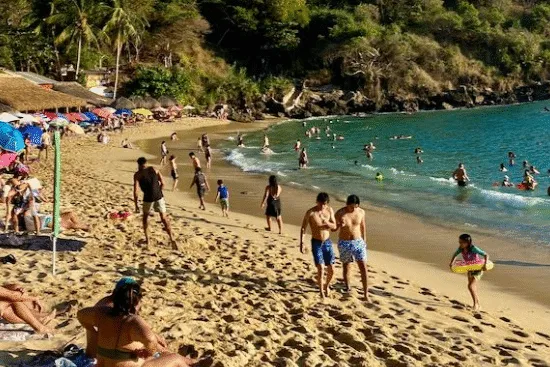
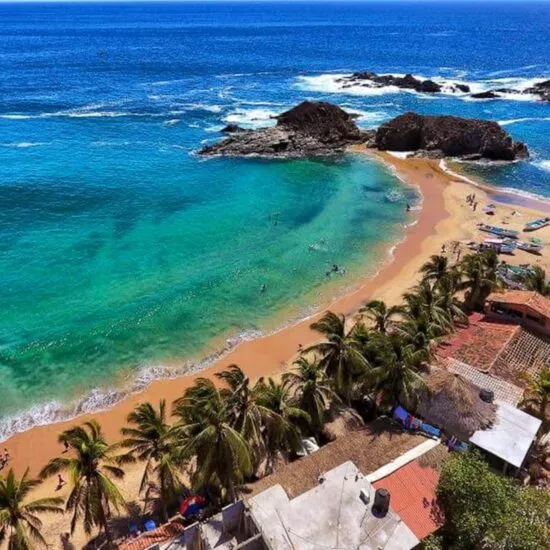
Playa Carrizalillo consistently ranks as Puerto Escondido’s top family beach. Accessed via 170 steps (or a motorcycle taxi service for $30-50 MXN), this horseshoe-shaped cove offers crystalline waters protected by rocky headlands. The gentle slope and minimal wave action create a natural swimming pool perfect for children learning to swim. Arrive before 11am to secure prime palapa shade, as this popular spot fills quickly during peak season. Local restaurants serve fresh fish, ceviche, and kid-friendly options like quesadillas and fresh fruit.
Beach Safety Essentials for Families
- Riptide awareness: Even calm beaches can have occasional currents. Swim parallel to shore if caught in a riptide, never against it. Teach older children this critical safety rule.
- Sun protection: UV intensity increases near the equator. Apply reef-safe SPF 50+ every 90 minutes, use rash guards for extended water play, and seek shade during peak hours (11am-3pm).
- Hydration: Bring sealed water bottles (avoid ice from unknown sources) and electrolyte drinks for children. Dehydration happens quickly in tropical heat.
- Footwear: Water shoes protect against hot sand, rocky areas, and occasional sea urchins in snorkeling zones.
- Supervision zones: Always designate one adult as the active water supervisor, rotating every 20-30 minutes to maintain focus.
Top Family Tours and Activities in Puerto Escondido
Puerto Escondido’s greatest treasure is its abundance of educational, exciting experiences that connect families with nature and culture. These aren’t passive tourist attractions—they’re hands-on adventures that teach conservation, marine biology, and Oaxacan traditions while creating stories your children will retell for years.
Marine Wildlife Encounters
Few experiences rival the wonder on a child’s face when wild dolphins leap alongside your boat. The dolphin watching tour departs early morning when these playful mammals are most active. Professional guides explain dolphin behavior, pod dynamics, and conservation efforts while maintaining respectful distances required by Mexican environmental regulations. Tours typically last 2-3 hours and include snorkeling opportunities at pristine coral formations where tropical fish dart through crystal-clear water.
Between December and March, Puerto Escondido becomes a front-row seat to one of nature’s most spectacular journeys. Our whale watching tour brings families safely alongside humpback whales who travel thousands of miles to birth their calves in Oaxaca’s warm Pacific waters. Expert naturalists share fascinating facts about whale migration, communication through song, and the critical role these gentle giants play in ocean ecosystems. Many tours witness mothers teaching newborn calves to breach—an unforgettable sight that instills deep respect for marine conservation.
Sea Turtle Conservation Experience
The sea turtle release program transforms children into junior conservationists. Each year, thousands of olive ridley, leatherback, and hawksbill turtle hatchlings emerge from protected nests along Oaxaca’s coast. Under supervision of certified biologists working with Mexico’s National Commission of Protected Natural Areas (CONANP), families gently carry day-old hatchlings to the water’s edge and watch them instinctively navigate toward the ocean.
This profound experience teaches children about endangered species protection, the turtle’s 20-30 year journey to maturity, and why only 1 in 1,000 hatchlings survives to adulthood. Many families report this as their trip’s emotional highlight—a perfect blend of education, conservation participation, and pure magic. Tours run July through December during nesting season, typically at sunset to protect vulnerable hatchlings from predators and heat stress.
Mangrove Kayaking and Wildlife Spotting
The Manialtepec and Chacahua lagoons offer gentle paddling adventures perfect for families with children ages 6 and up. Our kayaking tour through mangrove tunnels reveals a hidden ecosystem teeming with life. Children paddle stable tandem kayaks alongside parents while guides point out juvenile fish nurseries, nesting herons, basking iguanas, and if you’re fortunate, elusive crocodiles safely observed from distance.
The bird watching experience particularly captivates young naturalists, with opportunities to spot over 300 resident and migratory species including roseate spoonbills, boat-billed herons, and magnificent frigatebirds. Guides provide binoculars and field guides, teaching children to identify species by silhouette, call, and behavior—skills that encourage lifelong environmental awareness.
Cultural Immersion: Cooking and Traditions
Food connects families across cultures, and Puerto Escondido’s traditional Oaxacan cooking class turns curious eaters into enthusiastic cooks. In a local family’s outdoor kitchen, children grind corn for tortillas on volcanic stone metates, toast grasshoppers (chapulines) in comal pans, and blend chocolate with cinnamon for traditional hot chocolate. The hands-on format keeps even fidgety young ones engaged while teaching respect for ancestral food traditions that have sustained Oaxacan families for millennia.
The temazcal ceremony offers families with mature children (typically 10+) a profound spiritual experience. This pre-Hispanic sweat lodge ritual, led by a traditional healer, combines heat, aromatic herbs, and guided meditation to promote physical cleansing and emotional connection. While intense, the experience provides a rare window into indigenous wisdom that predates Spanish colonization—a cultural education no textbook can match.
Adventure for Active Families
Families seeking adrenaline rushes alongside scenic beauty should consider sunset horseback riding along deserted beaches. Well-trained horses suit riders from beginners to experienced equestrians, with guides matching horses to rider skill and confidence. The two-hour journey traverses coconut groves, crosses seasonal streams, and culminates with horses splashing through shallow surf as the sun melts into the Pacific—a photographer’s dream and a horseback rider’s fantasy realized.
For families with older children and a taste for extreme adventure, the paramotor experience offers tandem flights with certified pilots, soaring above Puerto Escondido’s dramatic coastline. The bird’s-eye perspective of turquoise bays, jungle-covered mountains, and endless beach stretches creates memories that last a lifetime. Minimum age requirements typically start at 12-14 years depending on weight restrictions.
Where to Stay: Family Accommodation Options
Puerto Escondido offers accommodation styles to suit every family’s preferences and budget. The key is matching your neighborhood to your priorities—beach access, restaurant variety, tranquility, or cultural immersion.
Neighborhood Guide for Families
La Punta: This laid-back neighborhood attracts surfer families and digital nomads seeking community vibes. While Playa Zicatela’s powerful waves aren’t suitable for swimming, La Punta offers incredible sunset views, healthy cafes, yoga studios, and a walkable main street (Calle del Morro) lined with international restaurants. Best for families with teens or those prioritizing social atmosphere over beach swimming.
Rinconada: Puerto Escondido’s upscale residential area provides quiet streets, vacation rentals with private pools, and proximity to both Carrizalillo and Manzanillo beaches. This neighborhood suits families seeking privacy, space, and a more traditional vacation rental experience. Expect to use taxis or rental cars for beach and restaurant access.
Centro (Adoquín): The tourist-commercial heart puts families steps from Playa Principal, the scenic malecon (boardwalk), and dozens of restaurants and shops. The area buzzes with energy, street vendors, and cultural authenticity—perfect for families who want to immerse in local life. Noise levels can be high, particularly near the adoquín pedestrian street’s nightlife.
Bacocho: This hillside neighborhood offers ocean-view hotels and resorts with family amenities like pools, kids’ clubs, and organized activities. Located between Zicatela and Carrizalillo, Bacocho provides stunning Pacific vistas and relative tranquility. The trade-off: steeper streets and taxi dependency for beach access.
Accommodation Types and Booking Tips
- Vacation rentals: Entire homes or apartments provide kitchens (essential for picky eaters), multiple bedrooms, laundry facilities, and often private pools. Book through established platforms or local agencies for secure transactions and property verification.
- Boutique hotels: Properties with 10-30 rooms often deliver personalized service, local design character, and family suites with kitchenettes. Many include breakfast and offer tour booking assistance.
- Budget hostels with private rooms: Family-friendly hostels like those in La Punta offer private rooms with shared pool and kitchen facilities, allowing parents to meet other traveling families while maintaining privacy.
- All-inclusive resorts: Limited options exist in Puerto Escondido (unlike nearby Huatulco), but properties like Vivo Resorts offer comprehensive amenities, kids’ programs, and meal plans that simplify family logistics.
Pro tip: Book accommodations 3-6 months ahead for December-January peak season. Summer offers better rates despite occasional rain, plus the magical turtle release season that many families consider the trip’s highlight.
Essential Family Packing List for Puerto Escondido
Packing strategically prevents pharmacy runs, uncomfortable situations, and missed opportunities. Puerto Escondido has pharmacies and convenience stores, but specific items may be harder to find or more expensive than at home.
| Category | Essential Items | Why It Matters |
|---|---|---|
| Sun Protection | Reef-safe SPF 50+ sunscreen, rash guards, wide-brim hats, UV sunglasses | Tropical sun intensity causes burns within 15-20 minutes; reef-safe formulas protect marine ecosystems |
| Water Safety | Water shoes, swimming goggles, child life jackets (for boat tours), waterproof phone case | Rocky beaches and hot sand require protection; life jackets ensure safety on boat tours |
| Health & First Aid | Pediatric pain/fever reducer, anti-diarrheal medication, antibiotic ointment, bandages, insect repellent (DEET or picaridin), aloe vera gel | Minor ailments and injuries are common; familiar medications work better than unfamiliar local brands |
| Clothing | Lightweight cotton/linen clothes, swimsuits (2-3 per person), light rain jacket, sandals, closed-toe shoes for tours | Quick-drying fabrics essential for humidity; multiple swimsuits prevent waiting for drying |
| Baby/Toddler Specific | Portable high chair clip, swim diapers, favorite snacks, portable white noise machine, stroller (lightweight umbrella style) | Specialty items difficult to find; familiar comfort items maintain routines |
| Entertainment | Beach toys (bucket, shovel, sand molds), snorkel sets, waterproof playing cards, downloaded movies/shows, books | Downtime activities essential for rest days; internet may be slow for streaming |
| Documents & Money | Passport copies (stored separately), travel insurance cards, Mexican pesos cash, credit cards, emergency contact list | Many restaurants/tours prefer cash; copies essential if documents lost or stolen |
What NOT to Pack
Skip bulky items like beach umbrellas (palapas provide shade), excessive formal clothing (Puerto Escondido embraces casual beach style), and single-use plastics (bring reusable water bottles and shopping bags to support local environmental efforts). Avoid packing valuables like expensive jewelry that attracts unwanted attention and risks loss.
Food and Dining with Children
Oaxacan cuisine—celebrated as one of Mexico’s most sophisticated culinary traditions—might seem challenging for picky eaters, but Puerto Escondido’s restaurants skillfully balance authentic flavors with family-friendly adaptations.
Kid-Friendly Restaurant Recommendations
Most restaurants welcome families with open arms, offering high chairs, children’s menus, and patient service. Playa Principal’s beachfront palapa restaurants serve reliable favorites: fresh fish fillets, chicken fajitas, quesadillas, and tropical fruit plates. Don’t miss tlayudas (giant crispy tortillas with toppings)—essentially Mexican pizza that kids devour. Most restaurants prepare dishes with mild seasoning, adding hot salsa separately.
For picky eaters, La Punta and Rinconada neighborhoods offer international options including Italian pasta, American-style burgers, and healthy smoothie bowls. Markets like Mercado Benito Juárez provide adventure for curious eaters: watch tortillas being patted by hand, sample fresh mango with chili powder, and try tejate—a traditional pre-Hispanic drink made from cacao and corn.
Food Safety Guidelines
- Water: Drink only sealed bottled water or purified water from established restaurants. Avoid ice unless confirmed purified. Most hotels and vacation rentals provide water dispensers.
- Street food: Choose busy vendors with high turnover (indicating fresh food) and avoid items sitting in lukewarm conditions. Grilled items (tacos al pastor, elote) generally safer than cold preparations for first-time visitors.
- Produce: Wash fruits and vegetables with purified water or peel before eating. Restaurants serving tourists use proper sanitation, but exercise caution with salads from unknown sources.
- Gradual introduction: Let children adjust to new flavors gradually rather than radical cuisine shifts that shock digestive systems. Pack familiar snacks for transitions.
Dietary Restrictions and Allergies
Communicate dietary needs clearly: “sin gluten” (gluten-free), “sin lactosa” (lactose-free), “alérgico a…” (allergic to). Many restaurants accommodate restrictions, though cross-contamination awareness may vary. Families with severe allergies should carry emergency medication and notify tour guides of medical needs in advance.
Practical Travel Logistics for Families
Getting to Puerto Escondido
Puerto Escondido International Airport (PXM) receives direct flights from Mexico City, Guadalajara, Monterrey, and seasonal international routes. The small airport sits just 10 minutes from town center. Airport taxis operate on fixed-rate zones ($150-300 MXN depending on destination). Private transfer services offer car seats for young children—book these ahead as availability is limited.
Families driving from Oaxaca City face a spectacular but winding 6-7 hour journey through mountains. The coastal highway (Federal Highway 200) from Huatulco takes 2.5 hours and offers more gradual curves suitable for car-sensitive children.
Local Transportation
Puerto Escondido’s compact size makes taxis the primary family transport. Rides within town cost $40-80 MXN; establish price before departure as meters are rare. Uber operates in Puerto Escondido but availability fluctuates. Many families rent cars for flexibility, especially when staying outside Centro. International car rental agencies at the airport require drivers be 25+ with major credit cards.
Colectivos (shared minivans) offer authentic local transport for adventurous families with older children. These crowded vans run fixed routes for $7-12 MXN per person but lack seat belts and air conditioning—fine for short cultural experiences, less ideal for daily use with young children.
Money Matters
Mexican pesos (MXN) are essential. While many tourist businesses accept US dollars, exchange rates disadvantage tourists. ATMs throughout town dispense pesos; use bank-affiliated ATMs inside branches for security. Major credit cards work at established restaurants and hotels, but cash remains king for street food, taxis, and small vendors. Budget approximately $100-150 USD per family daily for meals, transport, and activities beyond pre-booked tours.
Communication and Internet
Most hotels and vacation rentals provide WiFi, though speeds vary (sufficient for messaging, sometimes slow for video calls). Consider purchasing a Mexican SIM card at OXXO convenience stores or Telcel shops. Tourist SIM cards with data packages start around $200-300 MXN for one week. WhatsApp dominates Mexican communication—add important contacts (accommodation, tour operators, emergency services) before arrival.
Health, Safety and Emergency Preparedness
Puerto Escondido ranks among Mexico’s safest tourist destinations, with family-focused neighborhoods experiencing minimal crime. Standard precautions—avoiding isolated areas after dark, securing valuables, and maintaining awareness—ensure safe, worry-free vacations.
Medical Services
Puerto Escondido has several private clinics with English-speaking doctors trained in Mexico City and abroad. Hospital General de Puerto Escondido provides emergency services 24/7. Most common issues—sunburn, dehydration, minor cuts, or stomach upset—resolve with basic first aid or pharmacy remedies available at Farmacia Guadalajara, Farmacia del Ahorro, or Farmacia Similares.
For serious medical situations, medical evacuation to Oaxaca City (40-minute flight) or Mexico City provides access to world-class hospitals. Travel insurance with medical coverage and evacuation benefits is essential—verify coverage includes adventure activities like snorkeling, horseback riding, and boat tours.
Safety Tips for Families
- Beach safety: Respect warning flags (red means no swimming), never turn your back on waves, and maintain constant supervision in water. Zicatela’s powerful surf has caused tourist injuries and fatalities—admire from shore unless you’re an experienced surfer.
- Sun and heat: Symptoms of heat exhaustion include dizziness, nausea, excessive fatigue, and irritability. Move to shade immediately, provide cool water, and apply cool compresses. Seek medical attention if symptoms worsen.
- Wildlife encounters: Respect distance from all wildlife. Crocodiles inhabit lagoons—maintain 10+ meter distance and never feed them. Marine stingrays hide in sand—shuffle feet when entering shallow water to alert them. Most spiders and insects are harmless, but shake out shoes before wearing.
- Cultural respect: Teach children to ask permission before photographing local people, especially indigenous communities. Conservative dress (shoulders and knees covered) shows respect when visiting churches or indigenous villages.
Emergency Contacts
- Emergency services: 911 (ambulance, fire, police)
- Tourist police: +52 954 582 0498
- Red Cross (Cruz Roja): +52 954 582 0550
- Hospital General: +52 954 582 0194
- US Consular Agency Oaxaca: +52 951 514 3054
- Canadian Consulate (Mexico City, covers Oaxaca): +52 55 5724 7900
Sample Family Itineraries
5-Day Relaxed Family Itinerary (Ages 3-10)
Day 1: Arrive and settle into accommodation. Afternoon at Playa Carrizalillo for gentle beach play. Early dinner at beachfront restaurant. Sunset walk along Adoquín pedestrian street.
Day 2: Morning dolphin watching tour with snorkeling. Afternoon rest at hotel pool. Evening food market exploration at Mercado Benito Juárez.
Day 3: Beach day at Playa Principal with sandcastle building and local lunch. Afternoon traditional cooking class (child-friendly).
Day 4: Morning sea turtle release experience (seasonal). Beach time at Carrizalillo. Sunset at La Punta viewpoint.
Day 5: Leisurely morning, souvenir shopping, departure or extend stay.
7-Day Adventure Family Itinerary (Ages 11-17)
Day 1-2: Beach orientation at Carrizalillo and Manzanillo. Snorkeling tour at coral reefs. Sunset at Playa Zicatela to watch surfers.
Day 3: Mangrove kayaking adventure at Manialtepec Lagoon. Evening bioluminescence tour (moonless nights only).
Day 4: Horseback riding along the beach at sunset. Evening at local restaurant.
Day 5: Day trip to Mazunte, Zipolite, and Punta Cometa for cliff views and beach hopping.
Day 6: Mezcal and cultural tour (for parents) or surfskate lessons for teens. Afternoon free beach time.
Day 7: Whale watching (December-March) or scuba diving introduction. Farewell dinner at favorite restaurant.
Seasonal Considerations and Special Events
Puerto Escondido’s calendar offers unique experiences throughout the year. Plan visits around these natural phenomena and cultural celebrations to enhance your family’s connection to Oaxacan culture and ecology.
Sea Turtle Season (July-December)
Arribadas (mass nesting events) and individual nests dot Puerto Escondido’s beaches during summer and fall. Conservation programs protect nests from predators and poachers, then invite visitors to participate in releases. Peak hatching occurs August-October. This transformative experience connects children directly to conservation success stories and the fragility of ocean ecosystems.
Whale Season (December-March)
Humpback whales migrate from Alaska to Oaxaca’s warm waters for breeding and calving. Peak sightings occur January-February when mothers and calves frequent shallow coastal areas. Witnessing a 40-ton whale breach mere meters from your boat ranks among wildlife watching’s pinnacle experiences. Book tours early as this popular season fills quickly.
Bioluminescence (Dark Moon Nights, Year-Round but Best July-December)
On moonless nights, Manialtepec Lagoon transforms into a liquid light show. Bioluminescent dinoflagellates (microscopic organisms) emit blue-green sparkles when disturbed by paddle strokes or swimming. Children delight in creating trails of fairy dust with each movement—a magical experience that seems more fantasy than science. Tours require advance booking and are weather-dependent.
Cultural Celebrations
November 1-2 (Día de Muertos): Puerto Escondido’s Day of the Dead celebrations blend Catholic tradition with indigenous cosmology. Families create elaborate altars (ofrendas) honoring deceased relatives with marigolds, candles, photos, and favorite foods. Cemetery visits on November 2 become festive gatherings where families picnic graveside, celebrating life while remembering death. Markets sell sugar skulls, pan de muerto (sweet bread), and papel picado (cut paper decorations)—wonderful cultural immersion for visiting families.
December-January (High Season): Christmas and New Year transform Puerto Escondido into a celebration hub. Posadas (traditional Christmas processions) occur nightly December 16-24, with communities reenacting Mary and Joseph’s search for lodging. Fireworks (pirotecnia) light up nightly skies—thrilling for some children, overwhelming for others sensitive to loud noises.
Responsible and Sustainable Family Travel
Families wield enormous influence in preserving Puerto Escondido’s natural beauty and cultural authenticity for future generations. Teaching children sustainable travel practices creates mindful global citizens while supporting local communities.
Environmental Practices
- Reef-safe sunscreen only: Chemical sunscreens containing oxybenzone and octinoxate kill coral polyps and disrupt marine ecosystems. Choose mineral-based alternatives (zinc oxide, titanium dioxide) even though they leave temporary white casts.
- Refuse single-use plastics: Bring reusable water bottles, shopping bags, and food containers. Puerto Escondido’s small waste management infrastructure struggles with plastic influx. Many restaurants now refuse plastic straws—teach children to request beverages without them.
- Respect wildlife distance: Federal regulations require boats maintain 30-meter distance from dolphins and whales. Never chase, surround, or attempt to touch wildlife. Feed no animals—even seemingly cute iguanas—as human food causes health problems and dependency.
- Beach cleanup participation: Several organizations host weekly beach cleanups. Joining for 30 minutes teaches children that stewardship is everyone’s responsibility. Bring gloves and bags—even independent family cleanup efforts make measurable differences.
Cultural Respect and Community Support
- Choose local operators: Tours operated by Puerto Escondido residents keep tourism revenue in the community. Ask about guide training, conservation partnerships, and community benefit programs.
- Shop artisan markets: Purchase crafts directly from makers rather than resort gift shops. Traditional Oaxacan textiles, black pottery from San Bartolo Coyotepec, and alebrijes (carved wooden animals) represent generations of artistic knowledge. Teach children to bargain respectfully—it’s expected cultural exchange, not adversarial haggling.
- Learn basic Spanish: Even simple phrases (buenos días, gracias, por favor) demonstrate respect and enhance cultural connection. Children often learn faster than parents—turn language practice into a family game.
- Tip service workers appropriately: Restaurant servers (15-20%), tour guides (10-15% of tour cost), housekeeping staff ($50-100 MXN daily), and taxi drivers (round up to nearest 10-20 pesos) depend on tourism income. Explain tipping culture to children as part of travel education.
Frequently Asked Questions
Is Puerto Escondido safe for families with young children?
Yes, Puerto Escondido is very safe for families when you exercise standard precautions. Tourist areas like Carrizalillo, Rinconada, and La Punta experience minimal crime. The main safety concerns are natural—sun exposure, ocean currents, and dehydration—rather than crime. Avoid displaying expensive jewelry or large amounts of cash, and stay in well-populated areas after dark. Thousands of families visit annually without incident, and locals are notably welcoming to children.
What’s the best age for children to enjoy Puerto Escondido?
Puerto Escondido offers age-appropriate experiences from toddlers to teenagers. Children 3-7 love Carrizalillo’s gentle waves, building sandcastles, and spotting colorful fish while snorkeling in shallow areas. Ages 8-12 can participate in most tours including turtle releases, kayaking, and dolphin watching. Teenagers appreciate adventure activities like horseback riding, surfskating, scuba diving, and the cultural immersion of cooking classes and temazcal ceremonies. Families with infants face more logistical challenges (heat, sun protection, limited high chair availability) but absolutely can enjoy beach time and relaxed cultural experiences.
Do I need to speak Spanish to travel to Puerto Escondido with kids?
No, though basic Spanish enhances your experience. Tourist areas have English-speaking staff at hotels, restaurants, and tour companies. However, markets, taxis, and local neighborhoods operate primarily in Spanish. Download a translation app, learn essential phrases (numbers, food terms, emergency vocabulary), and embrace the linguistic challenge as part of cultural education. Most locals appreciate any attempt to speak Spanish, however imperfect, and children often absorb language faster than parents expect.
What vaccines or health preparations do children need before traveling to Puerto Escondido?
Consult your pediatrician 4-6 weeks before travel. Routine vaccinations (MMR, DTaP, polio, flu) should be current. CDC recommends hepatitis A for all travelers to Mexico, and typhoid for those visiting smaller towns or eating adventurously. Most families don’t need malaria prophylaxis for Puerto Escondido’s coastal areas, though mosquito-borne dengue and Zika exist at low levels. Pack pediatric electrolyte solutions and anti-diarrheal medication, as dietary changes can upset young digestive systems even without food-borne illness.
How much does a family trip to Puerto Escondido cost?
Budget varies widely based on accommodation choice and activity level. A moderate family budget (two adults, two children, one week) might look like: flights $400-800 per person, vacation rental $100-200/night, meals $80-120 daily, tours $50-100 per person per activity, ground transport $20-40 daily. Total estimate: $3,500-6,000 USD for a week. Luxury resorts and daily tours push costs higher; budget hostels and beach days keep expenses lower. Peak season (December-January) costs 30-50% more than summer months.
Can my family swim in the ocean year-round?
Yes, though conditions vary by beach and season. Protected coves like Carrizalillo and Manzanillo offer safe swimming year-round, with calmest conditions November-April. Summer and fall bring larger swells, occasional jellyfish, and seasonal riptides even at usually calm beaches. Always check with locals or lifeguards about daily conditions. Never swim at Playa Zicatela regardless of season—this is a world-class surf break with dangerous currents and powerful waves that injure even experienced ocean swimmers. Lagoons (Manialtepec, Chacahua) provide calm alternative swimming in warm freshwater.
Final Tips for an Unforgettable Family Trip
Puerto Escondido rewards families who embrace flexibility, cultural curiosity, and environmental consciousness. Your children will remember not just the dolphins and bioluminescence, but the connections forged with local families, the pride in carrying a baby turtle to the sea, and the confidence gained navigating a foreign culture. Balance structured activities with unscheduled downtime—some of travel’s richest moments emerge from spontaneous beach play, chance conversations with locals, or simply watching a spectacular sunset together.
Want to discover more places to visit?
Check out this Mexico Travel Guide by Aliki Travel Blog !
Disclaimer: Schedules, prices, and regulations change. Verify all details directly with service providers before booking. For safety concerns or emergencies, contact local authorities or your country’s consular services.
Connect With Us
Follow Puerto Escondido Tours for daily inspiration, travel tips, and exclusive offers: