




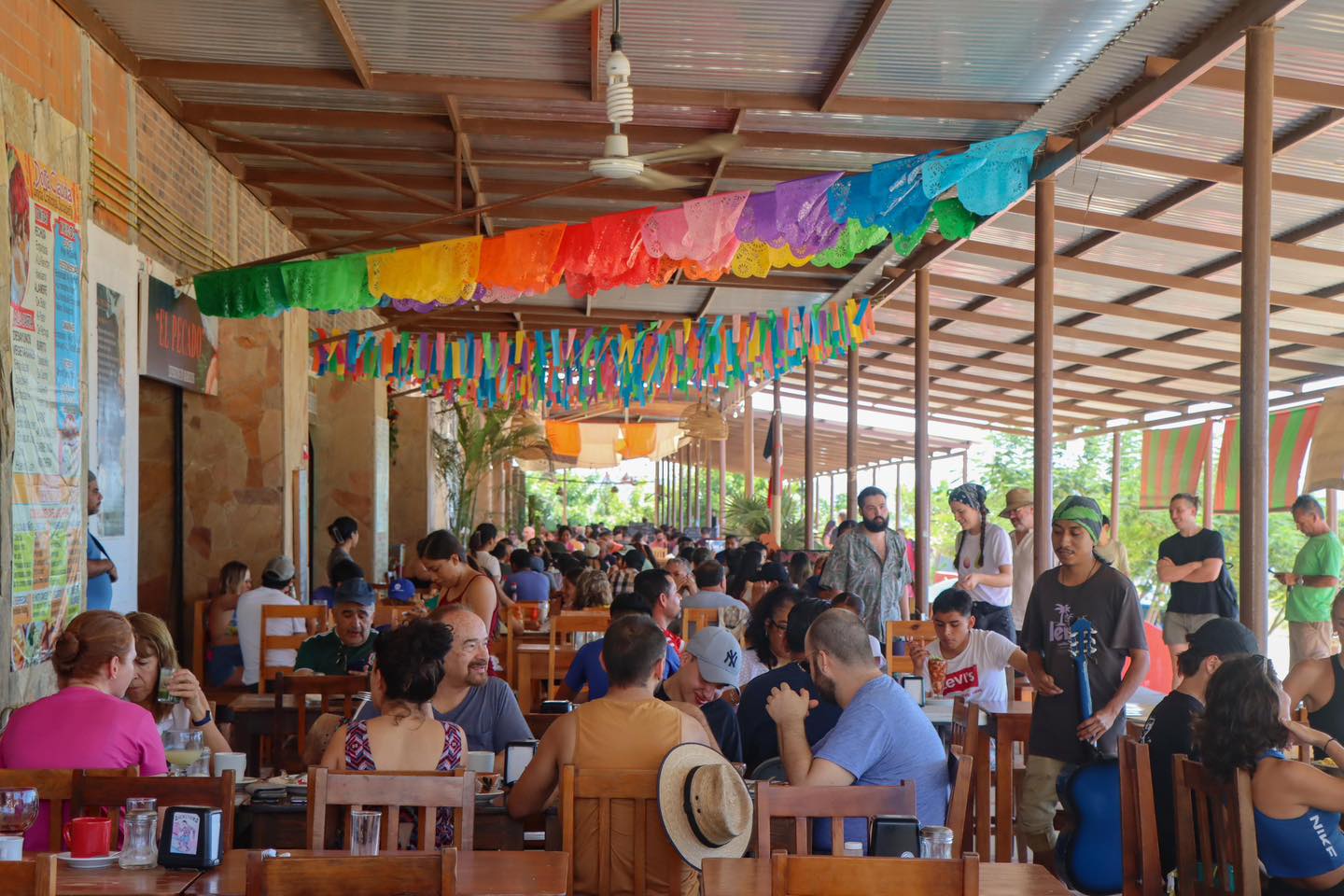
Shopping in Puerto Escondido: Markets, Boutiques & Souvenirs
Puerto Escondido offers a vibrant shopping scene that reflects the rich cultural heritage of Oaxaca. From bustling traditional markets filled with fresh produce and handmade tortillas to contemporary boutiques showcasing indigenous textiles and modern surf-inspired designs, this coastal town provides authentic shopping experiences far beyond typical tourist traps. Whether you’re searching for handcrafted Oaxacan ceramics, locally-produced mezcal, woven textiles from Zapotec communities, or unique surf art, Puerto Escondido’s diverse shopping landscape connects you directly with local artisans and the traditions they preserve.
Traditional Markets: The Heart of Local Commerce
The traditional markets of Puerto Escondido remain the authentic soul of the community, where locals have shopped for generations. The Benito Juárez Market (Mercado Benito Juárez), located in the upper town, operates daily and serves as the primary municipal market. Here you’ll find everything from fresh tropical fruits like mamey, guanábana, and pitaya to traditional Oaxacan textiles, handwoven palm baskets, and local medicinal herbs used in traditional remedies.
Early morning visits to the market provide the most authentic experience, when vendors arrange colorful pyramids of tomatoes, chiles, and seasonal produce while the aroma of fresh-ground coffee and warm tamales fills the air. The market’s food section offers an opportunity to taste regional specialties including tlayudas (large crispy tortillas), mole negro, fresh quesillo (Oaxacan string cheese), and chapulines (toasted grasshoppers seasoned with lime and chile).
In the handicraft sections, you’ll discover artisans from surrounding communities selling their wares directly. Look for hand-embroidered huipiles from indigenous Mixtec and Chatino communities, black clay pottery from San Bartolo Coyotepec, colorful alebrijes (fantastical wooden creatures), and woven palm goods including hats, bags, and mats. These items represent centuries of indigenous craftsmanship passed through generations.
Saturday Organic Market
Every Saturday morning in the Rinconada neighborhood, the Mercado Orgánico brings together local farmers, artisan food producers, and craftspeople offering organic and sustainably-produced goods. This community-focused market has become a gathering place for both locals and visitors seeking fresh organic produce, artisanal bread, locally-made kombucha, natural skincare products, and handmade jewelry.
The market also features prepared foods from various cultural backgrounds, reflecting Puerto Escondido’s diverse community. You might find fresh Thai spring rolls, wood-fired pizza, cold-pressed juices, vegan tamales, and specialty coffee—all prepared by local entrepreneurs. The atmosphere is relaxed and social, with live music often accompanying the shopping experience.
Artisan Boutiques and Craft Shops
Puerto Escondido’s boutique scene has flourished in recent years, particularly in the Rinconada and La Punta neighborhoods. These carefully curated shops showcase high-quality artisan work from across Oaxaca and Mexico, offering pieces that blend traditional techniques with contemporary design aesthetics.
Textile shops feature spectacular woven goods from Teotitlán del Valle, where Zapotec weavers create rugs and tapestries using natural dyes derived from cochineal insects, indigo, and local plants. You’ll also find beautifully embroidered clothing from communities throughout Oaxaca, each region displaying distinctive patterns and techniques that identify their origin.
Several boutiques specialize in contemporary Mexican design, offering clothing, accessories, and home goods that reinterpret traditional crafts through modern lenses. These shops often work directly with artisan cooperatives, ensuring fair compensation and supporting the continuation of traditional crafts in indigenous communities.
For those interested in supporting local sustainability efforts, consider exploring shops after taking a sea turtle release experience, which deepens understanding of the region’s conservation priorities and connects you with the environmental values many local artisans embrace.
| Shopping Area | Specialty | Best For | Atmosphere |
|---|---|---|---|
| Benito Juárez Market | Traditional crafts, fresh food, textiles | Authentic local experience, everyday items | Bustling, traditional Mexican market |
| Rinconada Boutiques | Curated artisan goods, contemporary design | High-quality souvenirs, unique fashion | Relaxed, gallery-like spaces |
| La Punta Shops | Surf culture, beachwear, art | Surf-inspired items, casual clothing | Laid-back, bohemian vibe |
| Zicatela Avenue | Surf equipment, beach essentials | Functional surf and beach gear | Energetic, youth-oriented |
| Saturday Organic Market | Organic produce, artisan food, crafts | Healthy foods, eco-conscious products | Community-focused, social |
What to Buy: Authentic Oaxacan Souvenirs
Mezcal and Spirits
Oaxaca produces some of Mexico’s finest mezcal, and Puerto Escondido offers excellent opportunities to purchase artisanal bottles directly from small producers. Look for mezcal labeled with specific villages like Santiago Matatlán, San Luis del Río, or Santa Catarina Minas. Quality mezcal should list the agave variety (espadín, tobalá, madrecuishe), production method (ancestral, artisanal), and maestro mezcalero.
Several shops in town offer tastings and education about mezcal production, helping you understand the differences between varieties and production methods. For a comprehensive introduction to mezcal culture, consider booking a mezcal tour where you’ll visit traditional palenques (distilleries) and learn directly from the families who’ve produced mezcal for generations.
Oaxacan Textiles and Clothing
Oaxaca is renowned throughout Mexico for its textile traditions, and Puerto Escondido shops showcase incredible diversity:
- Huipiles: Traditional embroidered blouses from different indigenous communities, each with distinctive patterns and colors that indicate their origin
- Rebozos: Versatile woven shawls used as baby carriers, head coverings, or elegant accessories
- Woven rugs: Zapotec tapestries featuring geometric patterns, often using natural dyes
- Embroidered dresses: Flowing dresses adorned with colorful floral embroidery, perfect for warm coastal weather
- Palm woven goods: Hats, bags, and mats created from local palm varieties using pre-Hispanic techniques
When purchasing textiles, look for quality indicators like tight, even weaving, natural dye colors that appear slightly irregular (indicating hand-dyeing), and hand-embroidery rather than machine work. Authentic pieces may have slight imperfections that prove their handmade nature.
Pottery and Ceramics
Oaxacan pottery represents various regional styles, each with distinctive characteristics. Black clay (barro negro) from San Bartolo Coyotepec features a distinctive metallic sheen achieved through a specialized firing technique. Green glazed pottery from Atzompa displays vibrant colors, while red clay pieces from various communities showcase traditional and contemporary forms.
Popular ceramic items include decorative plates, serving bowls, mezcal cups (jicaras), incense burners, and sculptural pieces. When selecting pottery, check for even glazing, smooth finishes, and stable construction. Remember that ceramics are fragile—most shops can arrange secure packing for international travel.
Chocolate and Coffee
Oaxaca produces exceptional chocolate, and Puerto Escondido shops offer various preparations including drinking chocolate tablets, chocolate de mesa (table chocolate), and mole paste. Traditional Oaxacan chocolate often includes cinnamon, almonds, and sometimes chile, creating complex flavors distinct from European chocolate.
Local coffee from the surrounding Oaxacan mountains provides another excellent souvenir. Look for beans from specific regions like Pluma Hidalgo, known for producing some of Mexico’s finest arabica coffee. Many shops offer whole beans or fresh-ground coffee, allowing you to bring home the flavors of Oaxaca.
Shopping Neighborhoods and Zones
Upper Town (Centro)
The upper town around the Benito Juárez Market offers the most traditional shopping experience. Beyond the market itself, surrounding streets feature small shops selling everything from hammocks and fishing equipment to religious items and hardware. This area caters primarily to local residents, providing insight into everyday Mexican life away from tourist areas.
Rinconada
Rinconada has emerged as Puerto Escondido’s cultural and artistic hub, hosting numerous boutiques, galleries, and design shops. The neighborhood’s relaxed atmosphere and pedestrian-friendly streets make browsing a pleasure. Many shops here focus on sustainable, ethically-sourced products and work directly with artisan communities.
The Saturday organic market in Rinconada has become a social event, attracting a diverse community. After shopping the market, you might explore a traditional Oaxacan cooking class to learn how to use the ingredients you’ve discovered.
La Punta
La Punta’s shopping scene reflects the neighborhood’s surf culture and bohemian atmosphere. Shops here offer surf-inspired clothing, handmade jewelry, surf art, and beach essentials. The area also features several galleries showcasing work from local and international artists drawn to Puerto Escondido’s creative energy.
Zicatela
The bustling Avenida del Morro in Zicatela caters to the surf crowd with shops selling surf equipment, beachwear, and casual clothing. You’ll find both international surf brands and local producers offering boards, wetsuits, wax, and accessories. The street also features pharmacies, convenience stores, and practical services.
Shopping Tips and Cultural Considerations
Bargaining Etiquette
In traditional markets, gentle negotiation is culturally acceptable and often expected, particularly for handicrafts and non-food items. However, approach bargaining respectfully, remembering that artisans deserve fair compensation for skilled work. In boutiques and established shops, marked items are generally not negotiable.
When bargaining, start by asking “¿Cuál es su mejor precio?” (What’s your best offering?) rather than making an insulting low offer. A reasonable negotiation might reduce the initial asking figure by 10-20%, not by half. If the artisan won’t reduce further, respect their decision—they know the value of their work and time.
Authenticating Handmade Goods
Unfortunately, some markets include mass-produced items from other regions marketed as local handicrafts. To ensure authenticity:
- Look for slight variations between similar items—true handmade work shows individual character
- Ask about the item’s origin and production method—knowledgeable vendors can explain the process
- Check for quality indicators like hand-stitching, natural dye variations, and artisan signatures
- Purchase from established shops and cooperatives with direct artisan relationships
- Be skeptical of “deals” that seem too favorable—quality handicrafts require significant skilled labor
Packing and Transporting Purchases
When buying fragile items like ceramics or large textiles, consider shipping logistics:
- Request secure packaging, especially for pottery and glass items
- Keep receipts for customs purposes when traveling internationally
- Some shops offer international shipping services for large or fragile purchases
- Wrap delicate items in clothing within your luggage for extra protection
- Consider purchasing a traditional woven bag or palm basket to carry additional items
Supporting Sustainable and Ethical Shopping
Many Puerto Escondido shops prioritize ethical production and environmental sustainability. Look for businesses that:
- Work directly with artisan cooperatives, ensuring fair compensation
- Use natural, sustainable materials and traditional production methods
- Support women’s collectives and indigenous communities
- Avoid products made from endangered species, including turtle shells, certain woods, and coral
- Minimize plastic packaging and offer eco-friendly alternatives
When purchasing items related to local wildlife or marine environments, ensure they’re ethically produced. After participating in experiences like crocodile watching or bird watching in the lagoon, you’ll better appreciate why supporting conservation-minded businesses matters.
Real Experience: Maria’s Shopping Journey
Maria, a visitor from Canada, initially headed straight to Zicatela’s tourist shops, purchasing what she thought were authentic Oaxacan textiles. A local friend gently explained that many items were manufactured elsewhere and suggested visiting the Benito Juárez Market instead.
At the market, Maria met Doña Rosa, a Zapotec weaver from Teotitlán del Valle who traveled to Puerto Escondido monthly to sell her family’s textiles. Doña Rosa explained how they raise sheep, create natural dyes from cochineal and indigo, and weave each piece on traditional pedal looms—processes unchanged for generations. The rug Maria purchased came with the weaver’s story, photos of her village workshop, and instructions for care.
“The textile I bought at the market was authentically handmade and cost less than the manufactured piece from the tourist shop,” Maria shared. “But more importantly, I met the artisan, learned about her craft, and know my money supports her family directly. The rug reminds me of that connection every day.”
Beyond Shopping: Cultural Experiences
Shopping in Puerto Escondido connects you with Oaxacan culture, but complementing your purchases with experiential activities deepens that understanding. Consider:
- Taking a Puerto Escondido city tour to understand the town’s history and development
- Joining a temazcal experience to connect with pre-Hispanic traditions still practiced today
- Exploring nearby communities through tours like Mazunte, Zipolite, and Punta Cometa to see where some artisans live
These experiences provide context for the handicrafts you purchase, transforming souvenirs into meaningful reminders of cultural connections formed during your travels.
Frequently Asked Questions
What are the best days to shop at local markets in Puerto Escondido?
The Benito Juárez Market operates daily, but the largest selection appears on weekends when vendors from surrounding communities bring their goods. Saturday features both the municipal market and the Organic Market in Rinconada. Early morning shopping (7-10 AM) offers the freshest produce and the most authentic atmosphere before tourist crowds arrive.
How can I identify authentic Oaxacan handicrafts versus mass-produced imitations?
Authentic handicrafts show slight variations between items, indicating hand production. Look for natural dye irregularities in textiles, hand-stitching rather than machine work, artisan signatures or marks, and be willing to ask vendors about production methods and origins. Legitimate artisans can explain their techniques in detail. Established shops and cooperatives with direct artisan relationships generally guarantee authenticity, while suspiciously uniform items at very low offers often indicate mass production.
Can I bring Oaxacan mezcal back to my home country?
Most countries allow travelers to bring limited alcohol quantities for personal use, but regulations vary. Check your destination country’s customs regulations regarding alcohol importation, including quantity limits and required declarations. When flying, pack mezcal bottles securely in checked luggage, wrapped in clothing or bubble wrap. Keep purchase receipts for customs purposes. Some countries prohibit certain bottle sizes or require specific labeling, so verify requirements before purchasing.
What items should I avoid purchasing for environmental or legal reasons?
Never purchase products made from endangered species, including sea turtle shells, certain tropical woods, coral, or products from protected wildlife. Many countries prohibit importing these items, and purchasing them encourages harmful practices. Avoid buying live animals, pre-Hispanic artifacts (which may be illegally excavated cultural heritage), and products made from protected plants. Focus instead on sustainable handicrafts like textiles, ceramics, and legal agricultural products like coffee and chocolate.
Is bargaining expected in Puerto Escondido markets and shops?
Gentle negotiation is culturally acceptable in traditional markets for handicrafts and non-food items, but approach it respectfully. Boutiques and established shops typically have fixed pricing. When bargaining, start by asking for the vendor’s best offering rather than making low offers that undervalue artisan labor. Reasonable negotiations might reduce initial offerings by 10-20%. Remember that handicrafts require skilled labor and fair compensation supports artisan communities. If a vendor won’t negotiate further, respect their decision.
Where can I find high-quality artisan goods that directly support local communities?
Look for shops and cooperatives that work directly with artisan communities, particularly in Rinconada where many businesses emphasize ethical sourcing. The Benito Juárez Market allows you to purchase directly from artisans who travel from their villages to sell. Saturday’s Organic Market features local producers selling their own goods. Ask shop owners about their sourcing—legitimate businesses that support communities are proud to explain their artisan relationships and production processes.
Conclusion
Shopping in Puerto Escondido offers far more than mere souvenir hunting—it provides direct connection to Oaxaca’s rich cultural heritage, artisan traditions, and contemporary creative communities. Whether you’re bargaining for fresh produce at the Benito Juárez Market, selecting a handwoven rug directly from a Zapotec artisan, or discovering contemporary Mexican design in Rinconada boutiques, each purchase can support traditional crafts and local livelihoods while bringing home meaningful reminders of your journey.
Approach shopping as a cultural experience, taking time to learn about the items you’re considering and the artisans who create them. The stories behind Oaxacan handicrafts—the villages where they’re produced, the families who’ve maintained traditions for generations, the natural materials and dyes used—transform objects into connections with Mexico’s living cultural heritage.
Information may change; please confirm market schedules, shop locations, and specific product availability before planning shopping excursions. For questions about handicraft authenticity, artisan cooperatives, or cultural heritage preservation, consult local tourism offices or organizations supporting indigenous artisan communities. For booking tours that complement your cultural exploration, visit our reservations page.
Follow us for shopping tips, artisan features, and cultural insights:

