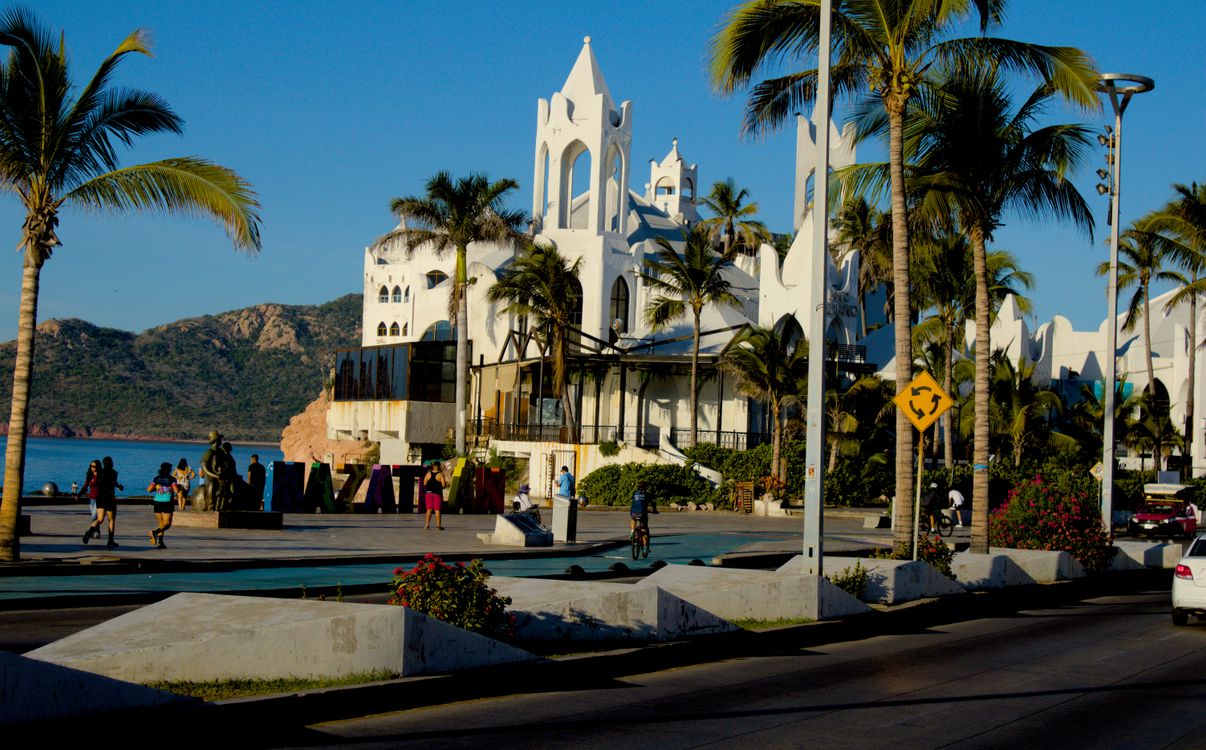
Puerto Escondido vs Mazatlán: Two Sides of Mexico's Pacific
Both sit on the Pacific. Both have beaches, sunshine, fresh seafood, and an atmosphere that makes you extend your stay. But Mazatlán and Puerto Escondido arrived at their current moment by completely different paths, and what they offer is as different as their geographies.
Mazatlán is a city that also has a beach. It has one of Mexico's most remarkable colonial historic centers, the country's longest Malecón, a carnival that rivals the world's best in scale, and a gastronomic tradition — Sinaloan aguachile, northern Pacific-style seafood — with its own cultural denomination in Mexican cuisine. Over the past decade it has undergone a genuine revival: the Centro Histórico has been restored with care, boutique hotels have opened inside 19th-century buildings, and travelers who once dismissed it as a cruise port are discovering it as one of Mexico's most livable cities.
Puerto Escondido is a beach that also has a town. It has no colonial history — for decades it was a fishing village completely disconnected from official Mexico — but it has world-class waves, bioluminescent lagoons, sea turtles nesting meters from where you sleep, humpback whales from November through March, Chacahua Lagoon to the west, and a food scene that mixes Oaxacan coastal cooking with the best seafood of the southern Pacific. Its bohemian quality is real, not manufactured. Its nature is extraordinary, not decorative.
This comparison won't crown a winner. It will help you understand which of the two fits what you're actually looking for.
Quick Comparison Table
| Aspect | Mazatlán | Puerto Escondido |
|---|---|---|
| Vibe | City with a beach | Beach with a town |
| History / Architecture | Impressive colonial Centro Histórico | Virtually none |
| Beaches | Long, accessible, urban | Wild, dramatic, varied |
| Surf | Small waves at Olas Altas, beginner level | World-class (Zicatela, La Punta) |
| Food | Aguachile, Sinaloan seafood, craft beer | Seafood + Oaxacan cuisine, uniquely Mexican |
| Nightlife | World-scale carnival, clubs, Zona Dorada | Bohemian bars, smaller, more authentic |
| Nature | Stone Island, El Quelite village, bird islands | Chacahua, bioluminescence, whales, turtles |
| Accessibility | International airport, direct US flights | Small airport, connect via CDMX / Oaxaca |
| Price | Affordable, similar range | Affordable, very low budget possible |
| Main visitors | Domestic tourists, cruise passengers, US expats | Surfers, independent travelers, bohemians |

The Vibe: City with a Beach vs Beach with a Town
This is the most fundamental difference, and everything else flows from it. Mazatlán has 500,000 residents. It has traffic, museums, theaters, live music bars, shopping centers, and an urban life that a small tourist destination simply cannot generate. When you arrive, you enter a city that functions with or without you. That is genuinely a point in its favor if you value urban texture — if you want to wander, get lost, stumble onto something unexpected in a street in the Olas Altas neighborhood.
Puerto Escondido has perhaps 50,000 residents, and its structure remains that of a coastal town that grew quickly without rigid urban planning. What it does have is that rare quality in Mexican tourism: an authenticity that is not performance. Surfers have been here for decades. So have the fishermen. The restaurants on the Zicatela strip have survived good and bad seasons without becoming franchises. If you're looking for escape and disconnection, Puerto Escondido delivers that naturally.
History and Architecture: Mazatlán Wins, Without Debate
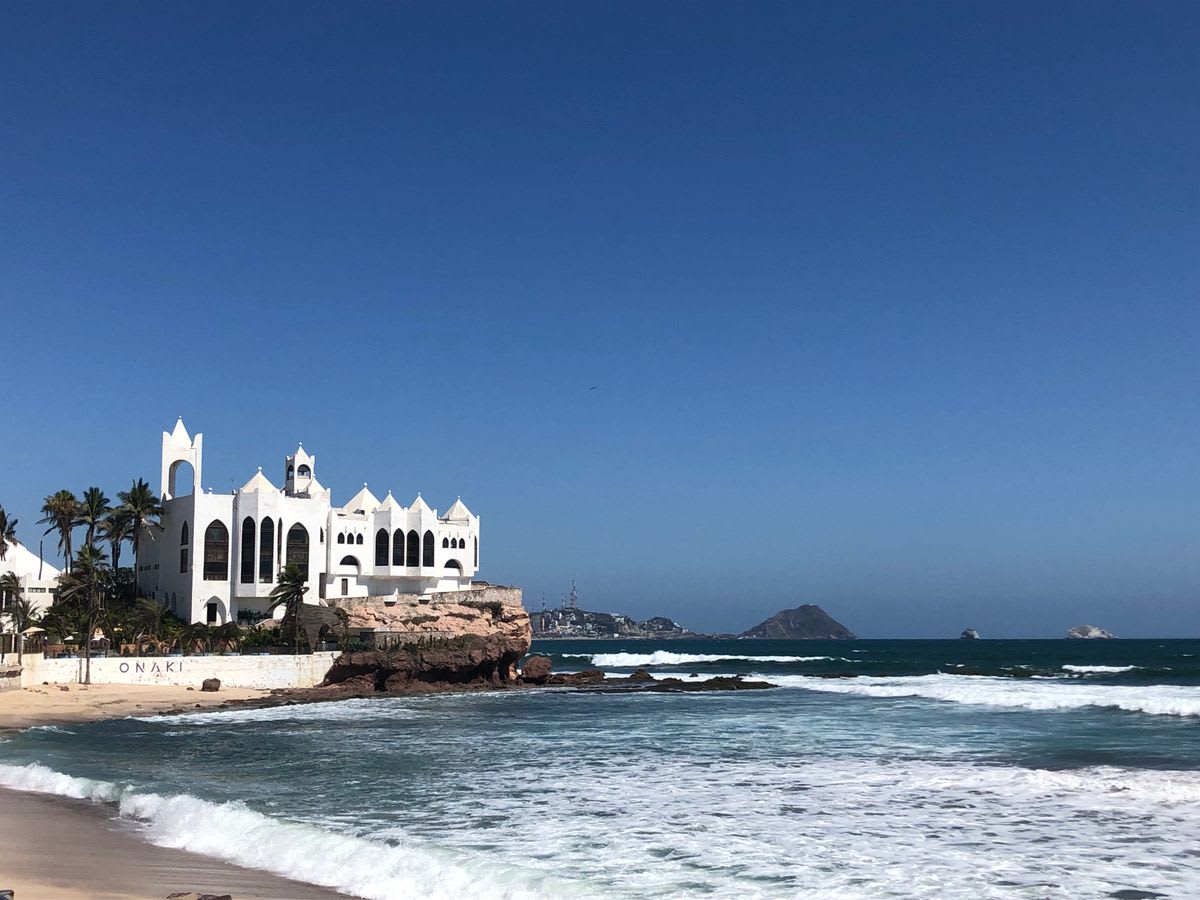
If colonial architecture matters to your trip, the choice is clear: Mazatlán. Its Centro Histórico is genuinely impressive — one of the most extensive and best-preserved colonial neighborhoods on the Mexican Pacific, with 19th-century mansions carefully restored, the Teatro Ángela Peralta (dating from 1874 and still operating), plazuelas with bougainvillea, contemporary art museums inside historic buildings, and a neighborhood life that does not exist only for tourists.
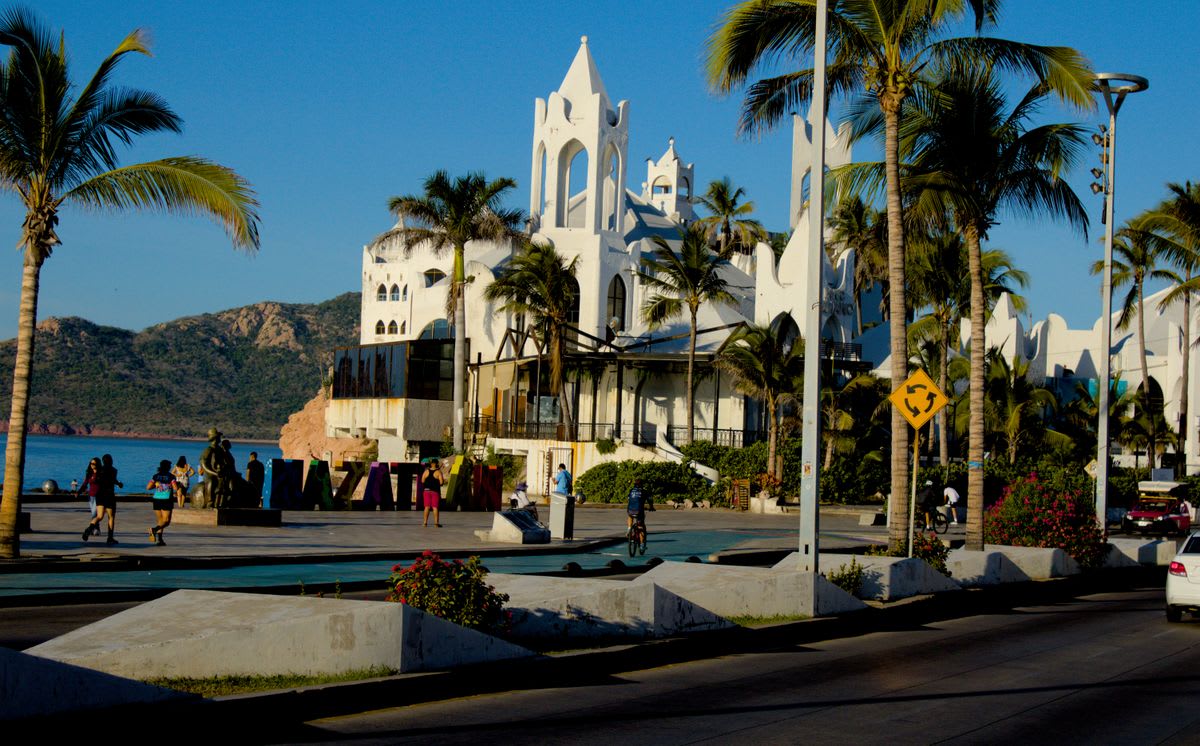
Mazatlán's Malecón stretches 21 kilometers — the longest in Mexico — and connects the Centro Histórico with the Zona Dorada, passing sculptures, viewpoints, and the Olas Altas neighborhood. Walking the malecón at sunset is an activity in itself, not merely a stroll between hotels.
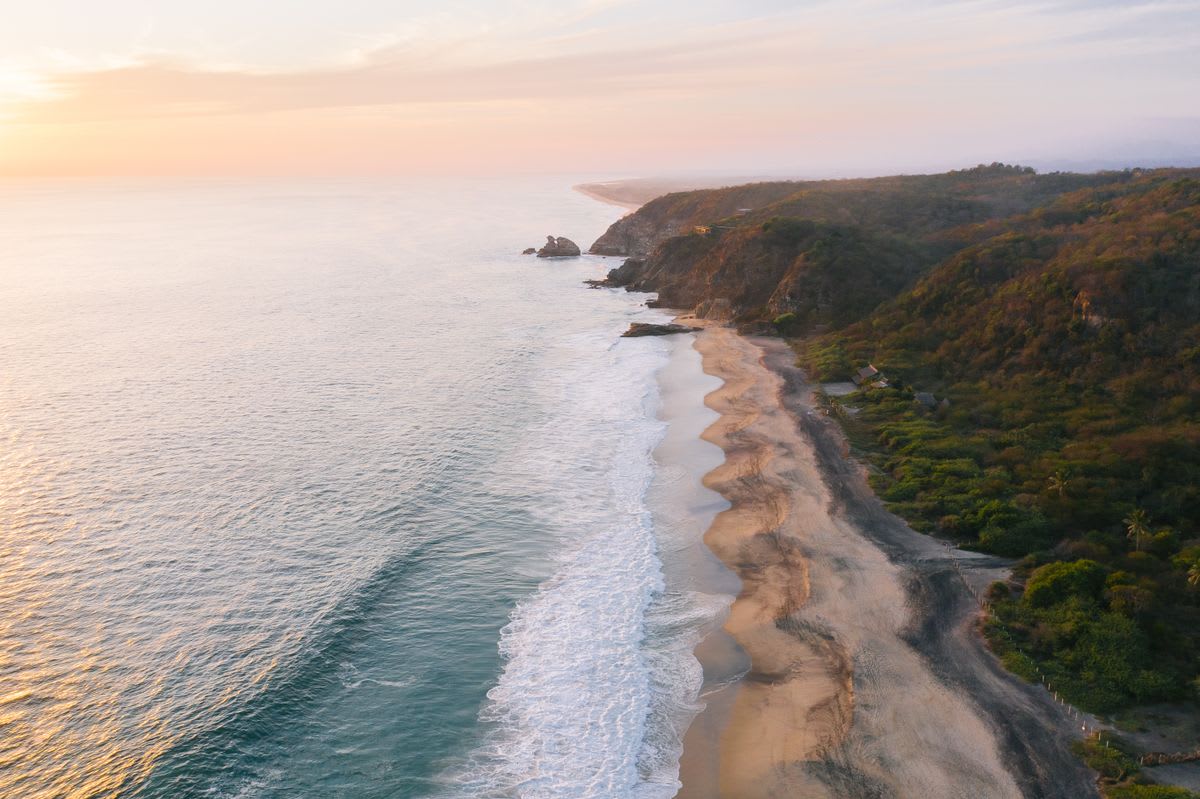
Puerto Escondido has nothing comparable. It was a fishing village until the 1970s and has no colonial architecture whatsoever. What it has is scenery: cliffs, semi-circular bays, beaches that bend at dramatic angles into the Pacific. The aesthetic here is natural, not built.
Beaches: Different by Design
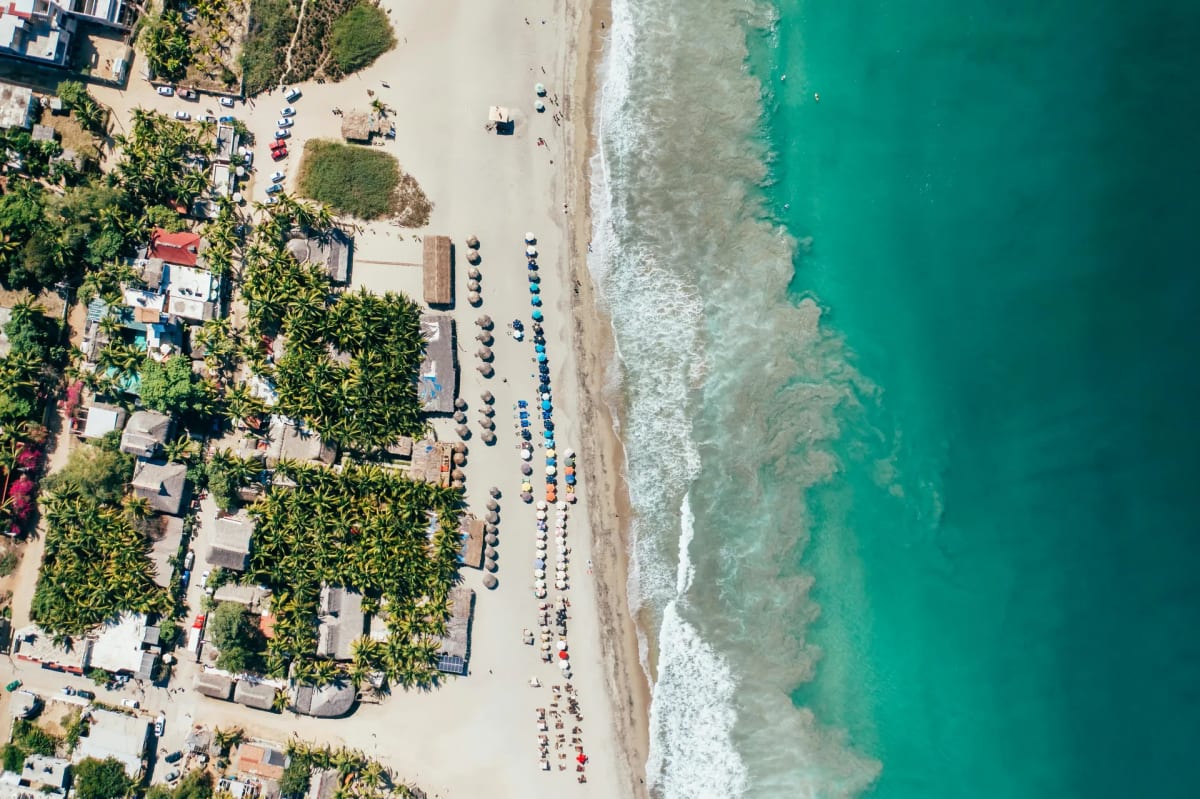
Mazatlán has several urban beaches with dark sand that are perfectly enjoyable. Playa Norte and Playa Olas Altas are wide, have services, sun loungers, and easy access from the center. Stone Island (Isla de la Piedra), reached by a short boat crossing of less than ten minutes, offers lighter sand, calmer water, and an experience completely different from the malecón beaches. It is Mazatlán's best-kept secret for those who already know the city.
Puerto Escondido's beaches are more varied and more dramatic. Zicatela has the raw power of the biggest surfing waves in Mexico. Carrizalillo is a small, protected bay with perfect turquoise water for families. La Punta has consistent mid-size waves for intermediate surfers. Playa Manzanillo is semi-virgin. Within a ten-kilometer radius there is more beach diversity than in most of Mexico's destinations.
Mazatlán's beaches are better if you want services, accessibility, and urban integration. Puerto Escondido's are better if you want landscape, variety, and nature without excessive infrastructure.
Surf: Puerto Escondido Wins Clearly
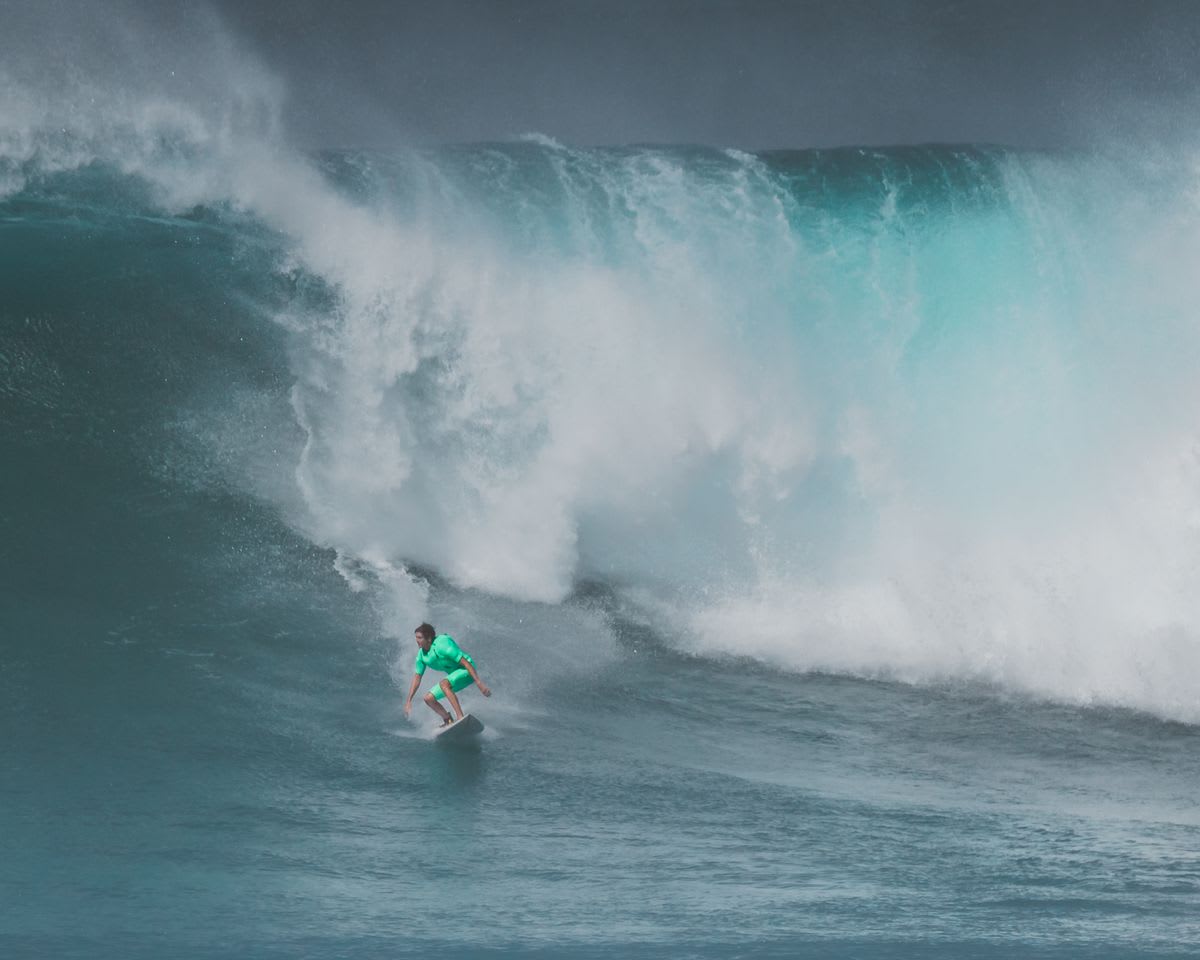
There is no comparison here. Zicatela is the Mexican Pipeline: hollow barrels of 15 to 25 feet breaking over a sand bottom, globally recognized as one of the world's best heavy shore-break spots. Puerto Escondido has hosted the Big Wave World Tour for years. La Punta offers more accessible waves for intermediate levels. Carrizalillo is ideal for learning.

Mazatlán has waves. Olas Altas, as its name suggests, does receive some swell when northern Pacific systems activate autumn and winter fronts. There are surf schools and it is a reasonable place to learn. But no experienced surfer would travel to Mazatlán specifically for the waves when Puerto Escondido is just a short flight away.
If surfing is a major part of your trip — whether you ride or just want to watch — Puerto Escondido is the choice, full stop. Our guide to activities in Puerto Escondido covers everything beyond the water as well.
Food: Two Equally Strong Traditions
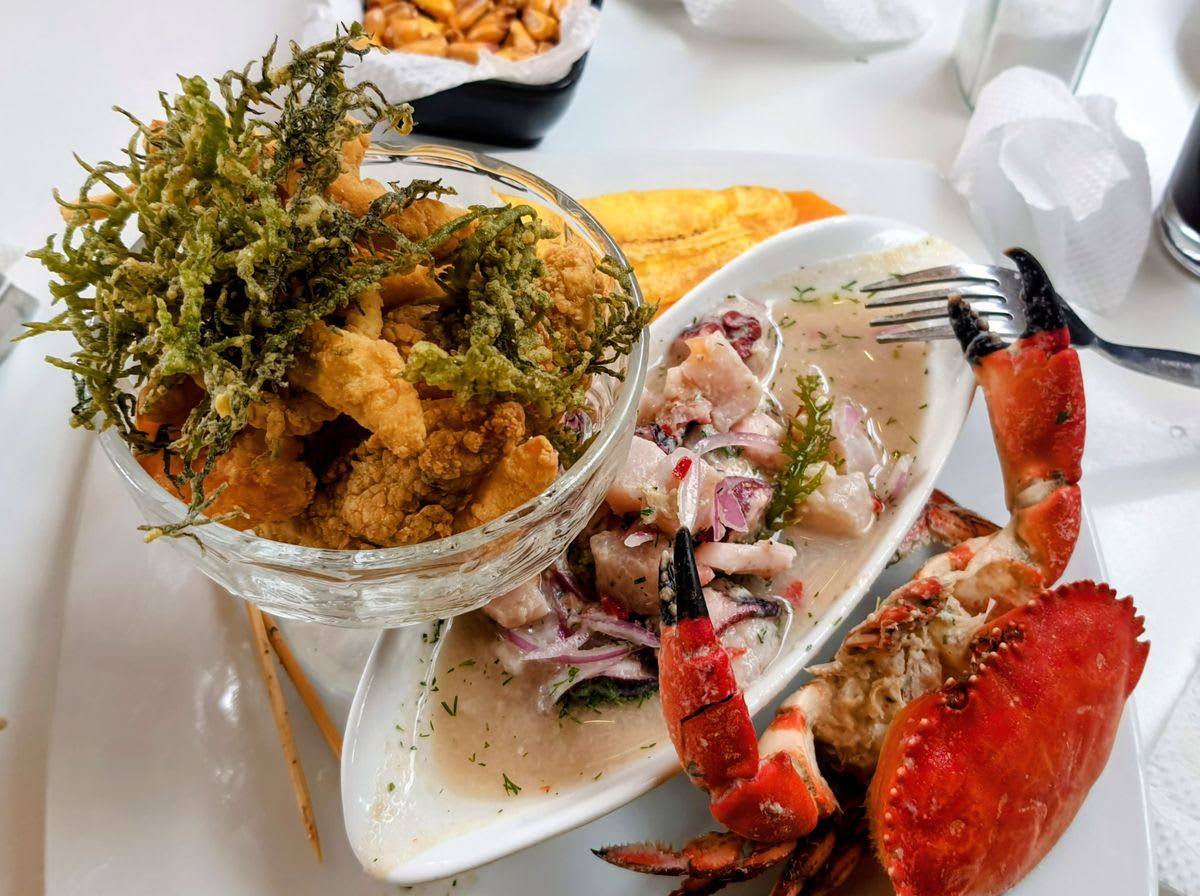
This is a genuine draw, though with very different profiles.
Mazatlán is the capital of aguachile. The Sinaloan green aguachile — raw shrimp marinated in fresh serrano chile, lime, and cucumber — originated in the region and in Mazatlán it is served with a purity and consistency difficult to exceed. Northern Pacific-style seafood — deviled shrimp, Altata oysters, zarandeado-style fish — is equally definitive. There is also a craft brewery scene that has grown considerably in recent years, and the Pino Suárez market is one of Mexico's finest seafood market experiences.
Puerto Escondido has Oaxacan coastal cuisine, the only food tradition in Mexico that combines Pacific coastal cooking with the culinary depth of inland Oaxaca. Tlayudas with seafood, black mole over fish, memelas with shrimp, coastal-style black bean tamales — these are dishes that do not exist outside this geographic strip. Beyond that specificity, it has equally fresh Pacific seafood.
If food is a deciding factor, the question is whether you prefer northern Pacific Sinaloan tradition or the unique Oaxacan coastal fusion. Neither will disappoint.
Carnival and Nightlife: Mazatlán Operates at a Different Scale
Mazatlán's carnival is the third largest in the world — behind Rio de Janeiro and Barranquilla. Dating to the late 19th century, it is celebrated with float parades, royal coronations, fireworks, and between 300,000 and 500,000 attendees over several days before Ash Wednesday. If you coincide with those dates (typically February), Mazatlán is a completely transformed city. It is an experience with no equivalent anywhere else on the Mexican Pacific.
Mazatlán's nightlife outside of carnival is also consistent: the Zona Dorada has bars, clubs, and live music restaurants year-round. The historic Olas Altas neighborhood has craft breweries and terraces with a more grown-up atmosphere.
Puerto Escondido has smaller, more bohemian nightlife. The Zicatela zone has bars with music that stay open late, and there are music and culture festivals during high season. It is not Mazatlán. But if you want to have beers on a terrace overlooking the Pacific with Australian surfers and French backpackers, Puerto Escondido has that quality that is very hard to manufacture.
Nature and Wildlife: Puerto Escondido Wins
Mazatlán has genuine natural attractions — Stone Island, the bird islands visible from the malecón, the village of El Quelite a half-hour drive away (one of Sinaloa's best-preserved Pueblos Mágicos) — but it does not compete with the density of natural experiences concentrated around Puerto Escondido within a small radius.
In and around Puerto Escondido: Chacahua Lagoon (biosphere reserve, mangroves, crocodiles, migratory birds), Manialtepec Lagoon (bioluminescence from November to February, one of the world's best), sea turtle nesting on nearby beaches from July to November, humpback whale watching from November to March, and a network of semi-virgin beaches accessible by boat or on foot. Nature here is not an add-on — it is the destination's reason for being.
If nature and marine wildlife are priorities, Puerto Escondido wins clearly.
Accessibility: Mazatlán Is Easier to Reach
Mazatlán's international airport receives direct flights from several US cities (Phoenix, Los Angeles, Houston, Denver among others) and from Mexico City, Guadalajara, Monterrey, and Tijuana without connections. For North American travelers or Mexicans traveling from the north of the country, Mazatlán is considerably more straightforward to reach.
Puerto Escondido has a small airport with regular flights primarily from Mexico City and Oaxaca city. Direct flights from the US are rare. Most international travelers arrive via Mexico City or Oaxaca with a connection. It is also possible to arrive by overnight first-class bus from Oaxaca (7–8 hours by road) or by car. The geographic remoteness is part of its character — but it requires planning. Read our guide to getting to Puerto Escondido for current options.

Price: Both Are Affordable
Both destinations are relatively accessible by international tourism standards. A mid-budget traveler can navigate either comfortably on $50–100 USD per day (basic-mid accommodation, meals at local restaurants, transport). Real price differences between the two are marginal.
Mazatlán has more range at the top end — luxury boutique hotels in the Centro Histórico, resorts in the Zona Dorada — which makes the average price perhaps slightly higher than Puerto Escondido when comparing equivalent accommodation levels. At the low end, Puerto Escondido has surf hostels and minimal bungalows at prices Mazatlán cannot match for the quality of life delivered.
See our Puerto Escondido budget guide for specific options with prices.
Who Should Choose Each?

Choose Mazatlán if:
- Colonial architecture and urban history are part of what you seek in a trip.
- You're traveling from northern Mexico or the US and ease of access matters.
- You want carnival or a destination with consistent nightlife.
- You prefer a city that works around you — services, urban variety, a city's pace.
- Sinaloan cuisine (aguachile, northern Pacific-style seafood) specifically appeals.
Choose Puerto Escondido if:
- Surfing — riding it or watching it — is a central part of your trip.
- Nature (lagoons, turtles, whales, bioluminescence) is a priority.
- You want more of an escape than a city — authentic beach, slow rhythm, interesting people.
- Oaxacan coastal cooking draws you and you want to eat it where it was born.
- You're traveling from Mexico City or Oaxaca city with an easy onward connection.
And if you genuinely cannot choose: the two destinations can be combined in a two-week trip. Mazatlán–Puerto Escondido is not a direct route, but both airports have frequent connections through Mexico City, and a week in each with a day in CDMX is perfectly workable. They are two completely different Mexicos on the same ocean, and seeing them together makes each one easier to understand.
To plan the Puerto Escondido portion: the 4-day Puerto Escondido itinerary is the most useful starting point.