




Puerto Escondido Safety Guide: Is It Safe to Visit in 2025?
Puerto Escondido remains one of Mexico’s most welcoming beach destinations in 2025, attracting surfers, digital nomads, and families from around the world. While safety concerns are valid for any travel destination, understanding the local reality helps you make informed decisions. This comprehensive guide covers everything from neighborhood safety and common scams to health precautions and emergency contacts, ensuring you can enjoy Puerto Escondido’s stunning beaches and vibrant culture with confidence.
The Real Safety Situation in Puerto Escondido 2025
Puerto Escondido’s reputation as a safe tourist destination is well-deserved, though like any coastal town experiencing growth, it requires the same common-sense precautions you’d apply anywhere. According to INEGI (Instituto Nacional de Estadística y Geografía), Oaxaca state—including Puerto Escondido—reports significantly lower violent crime rates compared to other popular Mexican beach destinations.
The local economy depends heavily on tourism, which means authorities and business owners have a vested interest in maintaining safe conditions. The Secretaría de Comunicaciones y Transportes has improved infrastructure and road safety throughout the region, while local police maintain visible presence in tourist areas, particularly along the Carretera Costera (coastal highway) that connects the main beaches.
Safe Neighborhoods and Areas to Stay
The tourist zones of Puerto Escondido are generally very safe, with each neighborhood offering its own character:
- La Punta and Zicatela: These adjacent beach areas host most international visitors and digital nomads. Streets are well-lit, restaurants and bars stay open late, and you’ll find a strong expat community. The beachfront promenade sees regular foot traffic until midnight.
- Carrizalillo and Playa Coral: Residential neighborhoods favored by families and couples. Quieter after sunset but extremely safe, with many long-term residents who know each other.
- Rinconada: The original tourist zone maintains traditional charm with established hotels and restaurants. Security is excellent, though swimming conditions require caution.
- Bacocho: Upper-class residential area with gated communities and luxury hotels. Very safe but removed from beach action—you’ll need transportation.
Areas to exercise more caution include parts of the central market district after dark and isolated beach stretches without facilities. The simple rule: stick to well-traveled areas, especially at night.
Crime Statistics: What Actually Happens
Most incidents involving tourists are opportunistic rather than violent. Petty theft accounts for the overwhelming majority of reported problems—typically unlocked hotel rooms, unattended beach bags, or valuables left visible in parked cars. Pickpocketing is relatively rare compared to larger cities but can occur in crowded markets or during festivals.
Violent crime against tourists is exceptionally uncommon. When incidents do occur, they typically involve intoxicated individuals in late-night confrontations rather than random attacks. The local police force (Policía Municipal and Policía Turística) responds quickly to tourist-related calls and most officers speak basic English.
| Safety Concern | Risk Level | Prevention Tips |
|---|---|---|
| Petty theft (beaches, hotels) | Low to Moderate | Use hotel safes, don’t leave items unattended on beach, carry minimal valuables |
| Pickpocketing | Low | Keep wallet in front pocket, use cross-body bags in markets, stay aware in crowds |
| Violent crime | Very Low | Avoid isolated areas at night, don’t engage in arguments, limit alcohol consumption |
| Scams and overcharging | Low to Moderate | Confirm prices before services, use metered taxis or apps, learn basic Spanish numbers |
| Road accidents | Moderate | Rent from reputable companies, avoid driving at night, watch for speed bumps (topes) |
Common Scams and How to Avoid Them
Puerto Escondido has far fewer scams than tourist-heavy destinations like Cancún or Playa del Carmen, but awareness helps you avoid the few that exist:
Taxi and Transportation Scams
Some taxi drivers quote inflated prices to tourists, especially at the airport or bus station. Legitimate taxis display rate sheets, though few actually use meters. Always confirm the price before getting in. From the airport to Zicatela should cost 150-250 pesos depending on exact location (rates as of 2025). Uber operates in Puerto Escondido but with limited drivers—it’s reliable when available.
Colectivos (shared vans) run along the coastal highway for 10-15 pesos—they’re safe, cheap, and how locals travel. They stop running around 9-10 PM depending on route.
Beach Vendor Pressure
Beach vendors selling jewelry, hammocks, and snacks are generally honest but persistent. A polite “no gracias” suffices. Some vendors at less-frequented beaches might claim to be official parking attendants and charge inflated fees—legitimate parking at public beaches costs 20-50 pesos maximum.
Aggressive timeshare salespeople occasionally approach tourists in Zicatela or La Punta, offering “free” breakfast or tours in exchange for attending presentations. These are legitimate businesses but highly pressured sales environments. Only attend if you’re genuinely interested; there’s no obligation despite what they might imply.
Tour Operator Quality
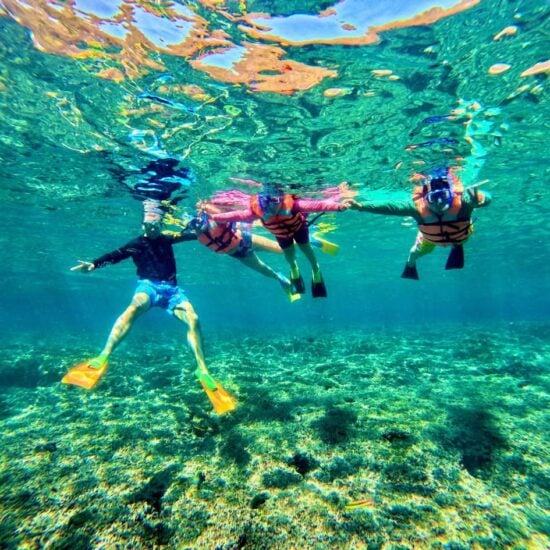
Not all tour operators meet the same safety standards. Book with established agencies that maintain proper insurance and equipment. Reputable operators will clearly explain safety protocols, provide life jackets for water activities, and answer questions about guide qualifications. Our bioluminescence tours, whale watching expeditions, and mangrove kayaking adventures all adhere to strict safety protocols with certified guides.
Ocean and Beach Safety
The Pacific Ocean along Puerto Escondido’s coast demands respect. Powerful waves and strong currents make some beaches dangerous for swimming, even for strong swimmers.
Beach-by-Beach Swimming Conditions
- Zicatela (Mexican Pipeline): World-class surf spot but extremely dangerous for swimming. Strong rip currents and powerful shore break cause several drownings annually. Only enter if you’re an experienced surfer. Lifeguards patrol during high season but flags (red = dangerous, yellow = caution) are your guide.
- Playa Carrizalillo: Protected bay with gentle waves, ideal for families and swimming. Small beach gets crowded; arrive early for space. Stairs down to beach require moderate fitness.
- Puerto Angelito and Playa Coral: Calm, shallow waters perfect for children. Both have palapas and restaurants. Very safe for swimming year-round.
- Bahía Principal (Playa Principal): Moderate waves, suitable for swimming when calm. More wave action than Carrizalillo but generally safe. Tour boats depart from here for dolphin watching and other adventures.
- Bacocho: Beautiful but strong currents make swimming risky. Better for walking and sunsets than swimming.
Rip Current Awareness
Rip currents are the primary ocean hazard. If caught in one, don’t panic or swim against it—you’ll exhaust yourself. Swim parallel to shore until free of the current, then swim back to beach. Better yet, only swim at beaches designated safe and stay near lifeguard stations when available.
Marine Life Precautions
Stingrays occasionally rest in shallow sandy areas. Shuffle your feet when entering water to scare them away—their defensive barb causes painful wounds. Jellyfish appear seasonally (typically August-October) but serious stings are rare. Sea urchins hide in rocky areas; water shoes provide protection for snorkeling spots.
Sharks are present but attacks are virtually unknown in Puerto Escondido. The real danger comes from underestimating wave power, not marine life.
Health and Medical Safety
Puerto Escondido offers adequate medical facilities for common tourist health issues, with more serious cases transferred to Oaxaca City or Mexico City.
Medical Facilities
The main public hospital (Hospital General de Puerto Escondido) handles emergencies but private clinics offer faster service with English-speaking staff. Several pharmacies line the main roads, many open 24 hours. Pharmacists can provide basic medical advice and some medications that require prescriptions in other countries.
Quality dental care is available at significantly lower prices than North America or Europe—many visitors specifically come for dental tourism. Always verify credentials and read recent reviews.
Common Health Concerns
- Traveler’s diarrhea: The most common ailment. Drink bottled or purified water only. Most restaurants catering to tourists maintain high standards, but use judgment with street food. Loperamide (Imodium) and oral rehydration salts are available at any pharmacy.
- Sunburn and heat exhaustion: The tropical sun is intense year-round. Apply SPF 50+ sunscreen every two hours, wear hats, and stay hydrated. Heat exhaustion symptoms include dizziness, nausea, and headache—seek shade and rehydrate immediately.
- Mosquito-borne illnesses: Dengue fever occurs in Oaxaca, though cases in Puerto Escondido remain relatively low. Use insect repellent with DEET, especially during rainy season (June-October). Zika and Chikungunya are also present but rare. Malaria is not a concern in Puerto Escondido.
- Cuts and infections: The tropical climate means minor cuts can become infected quickly. Clean wounds thoroughly and apply antibiotic ointment. If redness or swelling develops, seek medical attention.
Travel Insurance
Comprehensive travel insurance is essential. Medical evacuation from Puerto Escondido to specialized facilities can cost tens of thousands of dollars. Ensure your policy covers adventure activities if you plan to surf, dive, or participate in snorkeling or horseback riding tours.
Women Travelers and LGBTQ+ Safety
Solo Women Travelers
Puerto Escondido is generally safe for solo women travelers, with many female digital nomads and backpackers spending months here. The usual precautions apply: avoid walking alone on dark, isolated streets late at night; don’t accept drinks from strangers; and trust your instincts if a situation feels uncomfortable.
Catcalling (piropos) occurs but is typically harmless, though annoying. A firm “no” or simply ignoring advances usually ends unwanted attention. Mexican women often dress modestly outside beach areas—covering shoulders and knees in town can reduce unwanted attention, though it’s not required.
Solo women regularly join group tours like our sea turtle release experiences and cooking classes, providing safe ways to meet other travelers.
LGBTQ+ Travelers
Mexico legalized same-sex marriage nationwide, and Puerto Escondido’s international community creates a welcoming atmosphere. Public displays of affection between same-sex couples are generally accepted in tourist areas, though more conservative attitudes exist in rural areas outside town.
Several bars and restaurants in La Punta and Zicatela are explicitly LGBTQ+-friendly. Violence against LGBTQ+ individuals is rare in Puerto Escondido’s tourist zones.
Practical Safety Tips and Emergency Contacts
Essential Safety Checklist
- Keep copies of passport, visa, and insurance documents (physical and digital)
- Register with your embassy if staying long-term
- Save emergency contacts in your phone before arrival
- Share your itinerary with someone at home
- Keep hotel address written in Spanish for taxi drivers
- Carry small bills (many places can’t break large notes)
- Use ATMs inside banks during business hours when possible
- Don’t flash expensive jewelry, cameras, or electronics
- Learn basic Spanish phrases—locals appreciate the effort and it improves safety
Emergency Contacts
| Service | Number | Notes |
|---|---|---|
| Emergency (all services) | 911 | Operators may speak limited English |
| Tourist Police | 954-582-0498 | English-speaking officers available |
| Red Cross (Cruz Roja) | 954-582-0550 | Ambulance service |
| Fire Department | 954-582-0369 | Also responds to some emergencies |
| U.S. Consular Agency | +52-984-873-0303 | Located in Playa del Carmen, covers region |
| Canadian Consulate | +52-55-5724-7900 | Mexico City office |
Staying Connected
WiFi is widely available in hotels, restaurants, and cafes throughout Puerto Escondido. For cellular service, buy a local SIM card from Telcel or AT&T Mexico—coverage is good in town but spotty in remote areas. WhatsApp is the primary communication tool in Mexico; most businesses and tour operators prefer it over traditional calls or SMS.
Transportation Safety
Driving in Puerto Escondido
Road conditions vary significantly. Main highways are generally well-maintained, but side streets can have potholes, unmarked speed bumps (topes), and limited lighting. Defensive driving is essential—expect pedestrians, cyclists, and occasional livestock on roads.
Car rentals require Mexican insurance, which your credit card typically doesn’t cover. Rent from established companies with clear insurance policies. Never leave valuables visible in parked cars; break-ins occur in isolated parking areas.
The winding mountain road from Oaxaca City to Puerto Escondido (Highway 131) is scenic but challenging, with sharp curves and limited guardrails. Drive only during daylight hours and allow extra time. The coastal highway (Highway 200) is easier but still requires attention.
Alternative Transportation
Colectivos (shared vans) are the safest, cheapest transportation along the coast. They follow established routes and run frequently during daylight hours. Taxis are safe but agree on price beforehand. Some drivers use Uber-style apps (DiDi occasionally works here).
Moped and ATV rentals are popular but account for many tourist injuries. Wear helmets (legally required), drive defensively, and avoid night driving. Roads in La Punta and Zicatela see heavy pedestrian traffic—drive slowly in these areas.
Seasonal Considerations and Natural Hazards
Hurricane Season (June-November)
Puerto Escondido sits in the hurricane zone, though direct hits are rare. The Secretaría de Medio Ambiente y Recursos Naturales (SEMARNAT) monitors tropical weather systems. Hotels have evacuation procedures and the local government activates emergency shelters when necessary.
Heavy rains during hurricane season can cause flooding in low-lying areas and make roads impassable. Monitor weather forecasts and heed official warnings. Most hotels offer flexible cancellation policies during named storms.
Earthquakes
Mexico sits on multiple fault lines and Oaxaca experiences frequent seismic activity. Most tremors are minor and barely noticeable, but larger earthquakes do occur. Buildings in tourist areas generally meet modern seismic codes. If you feel shaking, move away from windows and heavy furniture, take cover under sturdy furniture, and evacuate to open areas once shaking stops.
Download the SASMEX earthquake early warning app—it provides advance notice of major quakes detected at distant epicenters.
FAQ: Puerto Escondido Safety Questions
Is Puerto Escondido safe for families with children?
Yes, Puerto Escondido is very safe for families. Choose appropriate beaches like Carrizalillo or Puerto Angelito where calm waters suit young swimmers. Many restaurants and hotels cater specifically to families. Take standard precautions with sun protection and hydration. Our family-friendly tours like turtle releases and crocodile watching provide safe, educational experiences for children.
Can I drink the tap water in Puerto Escondido?
No, don’t drink tap water. Use bottled water for drinking and brushing teeth. Most hotels provide purified water. Ice in restaurants catering to tourists is typically made from purified water, but ask if unsure. Avoid water fountains and unpeeled fruits washed in tap water from street vendors.
What should I do if I’m robbed or need police assistance?
Contact the Tourist Police (Policía Turística) at 954-582-0498—they speak English and specialize in helping visitors. File a police report (denuncia) immediately if items were stolen, especially if you need documentation for insurance claims. Your embassy or consulate can provide additional support. Report credit card theft immediately to your bank.
Are beaches safe to visit at night?
Beach safety at night varies by location. Well-lit areas near restaurants in Zicatela and La Punta see regular foot traffic and are generally safe, though use caution. Isolated beaches should be avoided after dark—visibility is poor, help is unavailable if you encounter problems, and the risk of petty crime increases.
Should I be concerned about drug cartel violence?
Drug cartel violence in Mexico is real but concentrated in specific regions involved in trafficking routes, primarily along the northern border. Puerto Escondido has not experienced cartel-related tourist violence. The crime you’re likely to encounter is opportunistic theft, not organized crime. Follow standard travel safety practices and you’ll have a safe visit.
Is it safe to use ATMs in Puerto Escondido?
Yes, ATMs are generally safe when you take precautions. Use machines inside banks during business hours when possible, as they’re monitored and safer than standalone street ATMs. Shield your PIN when entering it, inspect the card slot for skimmers, and avoid using ATMs in isolated locations at night. Notify your bank of travel plans to prevent card blocks.
Conclusion: Enjoying Puerto Escondido Safely
Puerto Escondido offers the perfect balance of adventure and relaxation in one of Mexico’s most authentic beach destinations. While safety awareness matters, don’t let excessive caution prevent you from experiencing this incredible place. The vast majority of visitors leave with only positive memories and stories of the warm Oaxacan hospitality they encountered. Use common sense, respect the ocean’s power, protect yourself from the sun, and you’ll discover why travelers return to Puerto Escondido year after year. Book your adventure with confidence and prepare for an unforgettable Mexican Pacific coast experience.
Disclaimer: Safety conditions can change. Confirm current travel advisories with your government, verify tour operator credentials, and consult local authorities for the latest information. This guide provides general information and should not replace professional safety advice or travel insurance.
Follow us for daily updates, travel tips, and special offers:
Facebook: facebook.com/puertoescmx
Instagram: @puerto_escondido_mx
TikTok: @puerto_escondido_pmx