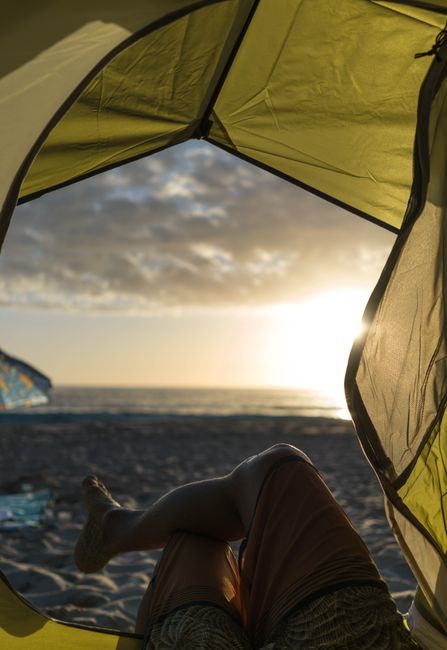
Camping in Puerto Escondido: Where to Pitch a Tent Near the Ocean
Camping in Puerto Escondido: Where to Pitch a Tent Near the Ocean
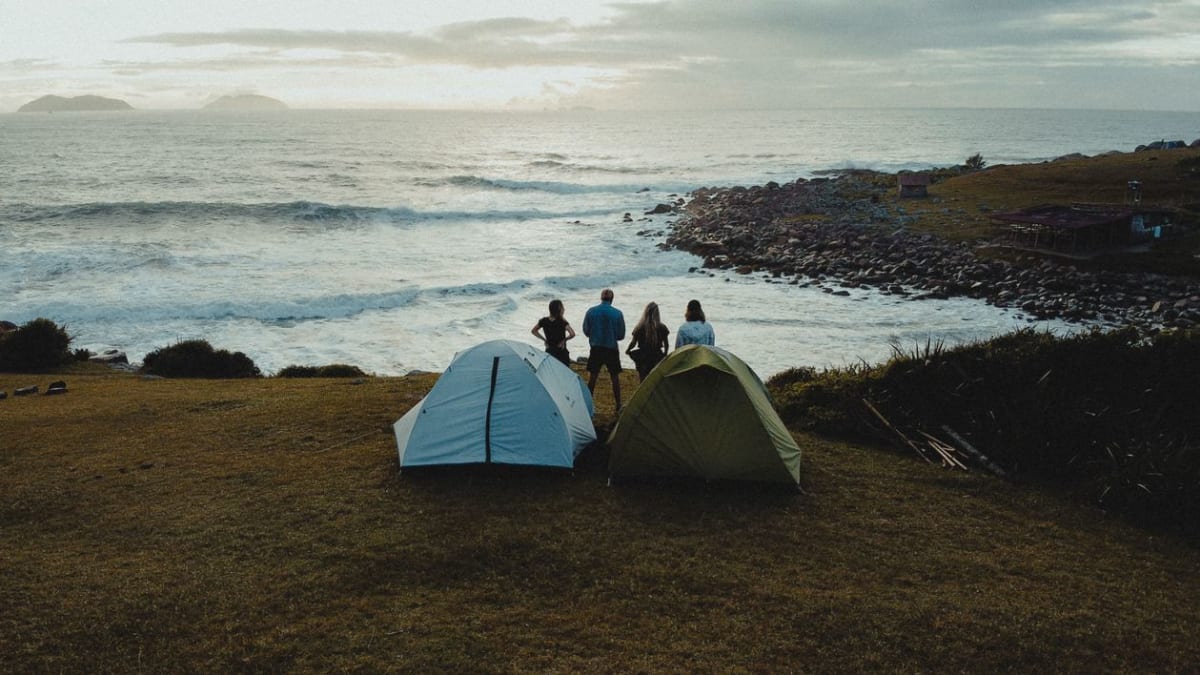
Camping in Puerto Escondido is one of the few things almost nobody writes about, even though the coast here is built for it — warm nights, empty beaches past the tourist strip, and a lagoon famous for glowing water and campfire nights. There’s no fenced-in national-park campground with numbered sites, so camping Puerto Escondido works differently than it does back home: it’s informal, hostel-adjacent, and concentrated in a handful of spots locals actually trust after dark. Here’s where to actually pitch a tent, what to expect, and what to skip.
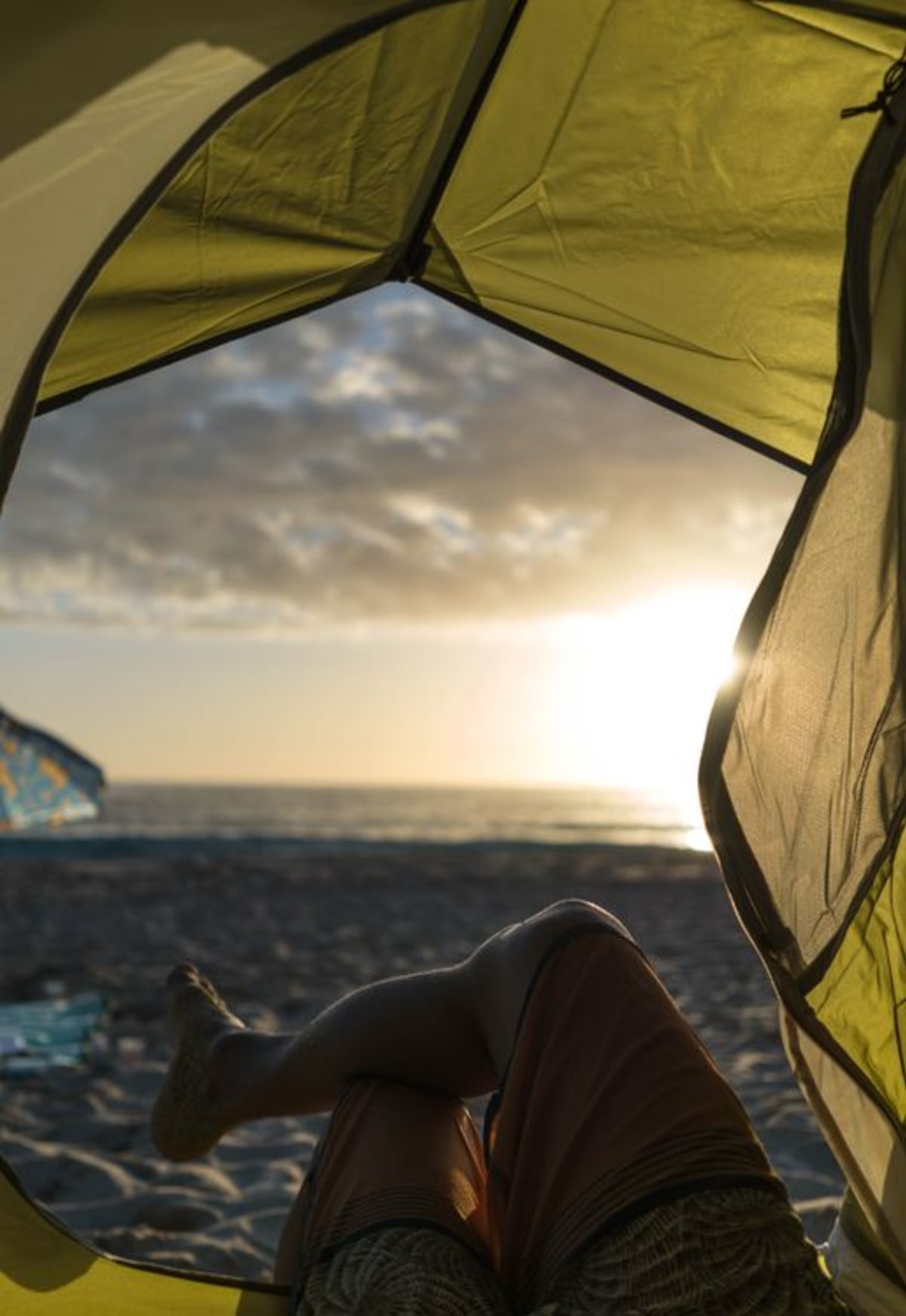
Why Camp Instead of Book a Hotel
A tent costs a fraction of even the cheapest Zicatela hostel bed, and it puts you right on the sand instead of a block back from it. The bigger draw is timing: sunrise surf checks, late-night bonfires, and stargazing far from the ATM-lit strip are all easier when you’re already outside. The trade-off is real — no AC, no lock on the door, and gear that has to survive salt air and sudden rain — but for a few nights on this coast, most people find it’s worth it.

Best Places to Pitch a Tent Near the Ocean
La Punta — Surf-Town Camping Culture
La Punta, the laid-back surf neighborhood south of Zicatela, is the easiest entry point. Several of its budget hostels let you pitch a tent in their garden or on a rooftop for a small nightly fee — you still get bathrooms, showers, and a locked gate, without the cost of a bed. It’s the closest thing Puerto Escondido has to a proper campground, and it puts you a two-minute walk from the beach break and the neighborhood’s smoothie bowls and taco stands.
Zicatela Beachfront — Do It Through a Hostel, Not Solo
Pitching directly on Zicatela beach overnight isn’t something locals recommend — it’s a busy, unlit stretch with no fencing and periodic theft reports after dark. The workaround is the same as La Punta: book a hostel with beachfront tent space, which gives you the same ocean-front sleep with someone at the gate. Skip solo tents directly on open sand here.
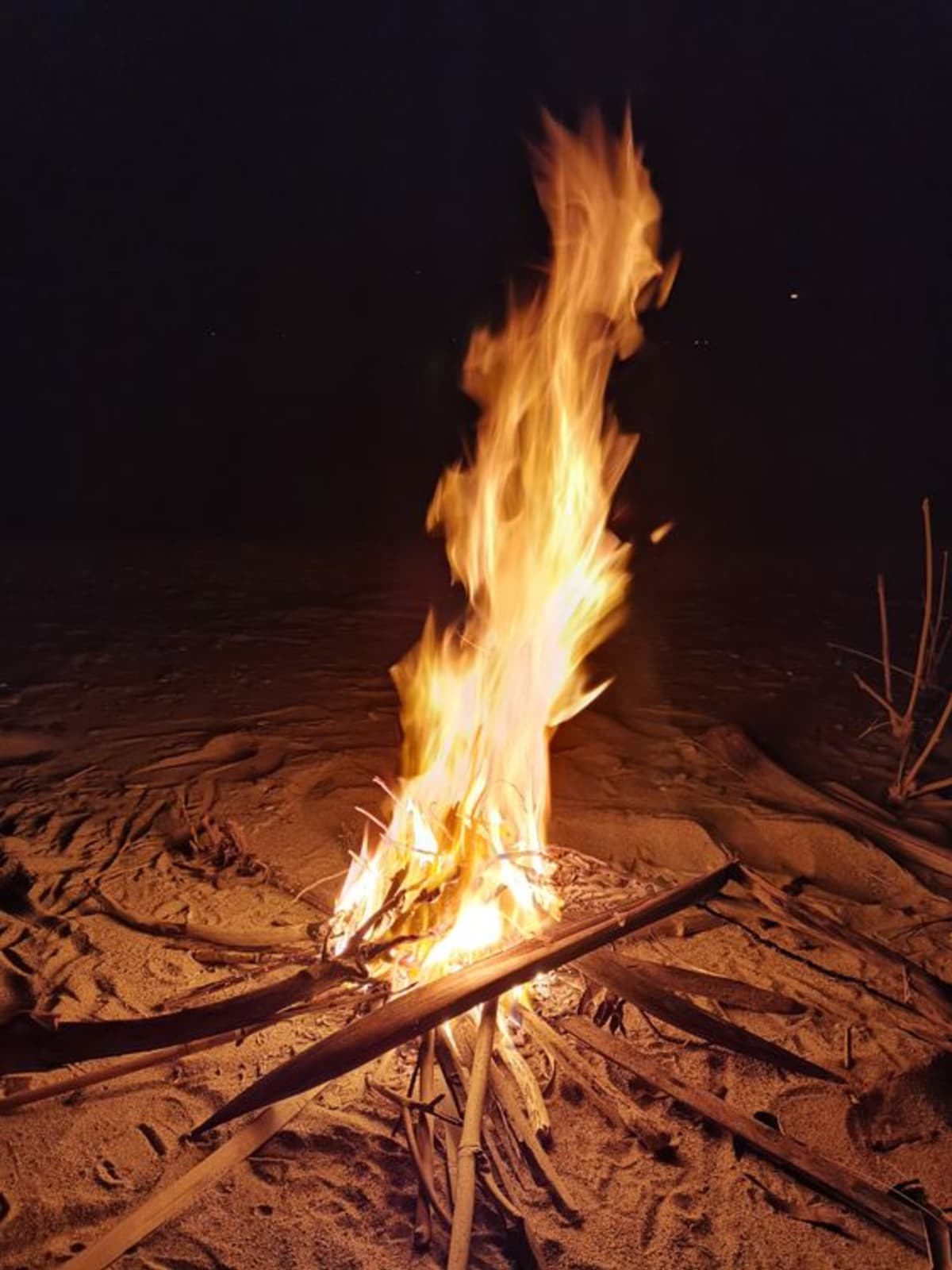
Manialtepec Lagoon — Camping With the Campfire and Bioluminescence
Laguna de Manialtepec, about 20 minutes west of town, pairs tent camping with the thing this coast is actually famous for: bioluminescent plankton that lights up around your paddle at night. A handful of eco-lodges along the lagoon rent basic tent spots, and campfire nights here are a real local tradition — roast something over the coals, then walk down to the water once it’s fully dark. Our bioluminescence tour runs from the lagoon itself, so it’s easy to combine with an overnight stay, and our full Manialtepec Lagoon guide covers the birdwatching and kayaking side of a lagoon trip in more depth.
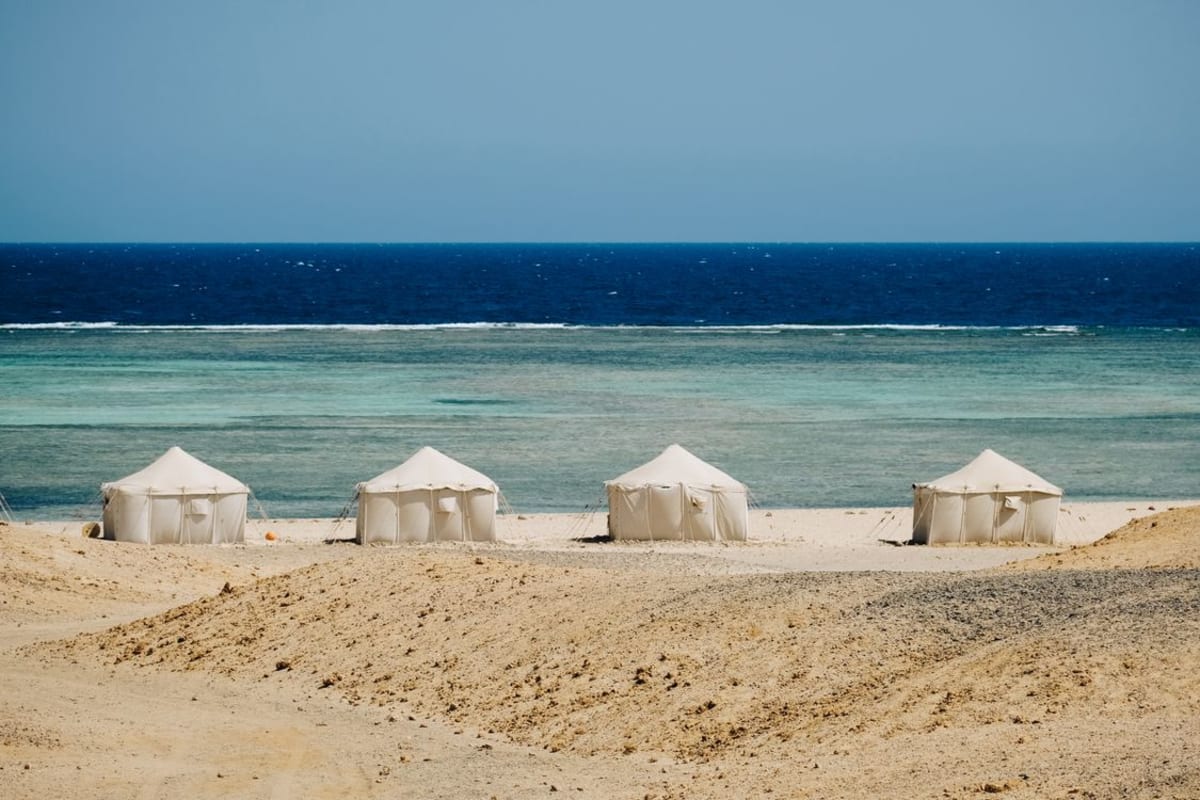
Chacahua National Park — The Wild, Remote Option
Parque Nacional Lagunas de Chacahua, roughly 1.5 hours west of Puerto Escondido, is the real backpacker classic: a crocodile-lagoon, a barrier-island beach, and simple palm-thatched palapas you can rent by the night right on the sand. There’s no electricity grid to speak of and the nearest ATM is a boat ride and a bus away, so bring cash and a headlamp. It’s the most remote option on this list and, for exactly that reason, the one most people remember longest.
What to Pack for Beach Camping in a Tropical Climate
- A freestanding tent with full mosquito mesh — the rainfly matters less than the bug screen most nights near water.
- A headlamp, not just a phone flashlight — you’ll want both hands free for tent stakes, firewood, and uneven sand.
- Dry bags for anything electronic — humidity and sudden rain are the real threats, not just full-on storms.
- Reef-safe sunscreen and strong repellent — mosquito activity spikes hard right at dusk near the lagoon.
- Cash in small pesos — hostel tent fees, palapa rentals, and lagoon eco-lodges are rarely card-friendly.
- A lightweight sleeping sheet over a full sleeping bag — coastal nights here rarely drop below 25°C.
Camping Rules, Safety & Turtle Season Etiquette
The Oaxaca coast around Puerto Escondido is serious sea-turtle nesting territory, and beaches near Chacahua and the lagoons enforce real restrictions during nesting season (roughly June through January, peaking August–November): no unshielded lights on the sand after dark, no fires directly on the nesting beach, and no digging near marked nests. A quick check with whoever runs your palapa or hostel before pitching a tent avoids any conflict — and it’s the same courtesy that keeps these beaches worth camping on in the first place.
| Spot | Distance | Vibe | Facilities |
|---|---|---|---|
| La Punta | In town | Surf & backpacker | Hostel showers, locked gate |
| Zicatela (via hostel) | In town | Social, walkable | Hostel-based only |
| Manialtepec Lagoon | ~20 min west | Mangroves, bioluminescence | Basic eco-lodge camping |
| Chacahua National Park | ~1.5 hr west | Wild, remote | Rented palapas, no electricity |
If hiking is more your speed before you set up camp, our guide to the best hiking trails near Puerto Escondido covers routes that connect well with a lagoon or Chacahua trip.
FAQ: Camping Near Puerto Escondido
Is it legal to camp on the beach in Puerto Escondido?
There’s no blanket ban, but there’s also no official public campground on the main tourist beaches. In practice, camping happens through hostels in La Punta and Zicatela, eco-lodges at Manialtepec Lagoon, and rented palapas at Chacahua — all of which have someone effectively overseeing the ground you’re on.
Where is the best place to camp near Puerto Escondido?
Manialtepec Lagoon is the best all-rounder — close enough for a short trip, with campfire nights and bioluminescence built in. Chacahua National Park is the pick for anyone wanting a genuinely remote, unplugged night on the sand.
Do I need a permit to camp at Chacahua or Manialtepec?
No formal permit for tourists, but you do pay a nightly fee to whoever runs the palapa or eco-lodge you’re staying at, and turtle-nesting-season rules on lights and fires apply regardless of where you pitch.
Is beach camping safe in Puerto Escondido?
Camping through a hostel, eco-lodge, or rented palapa is generally safe. Pitching a solo tent directly on open, unlit sand — especially on Zicatela at night — is the one scenario locals genuinely advise against.
What's the best time of year to camp near the ocean here?
November through April, the dry season, is by far the most comfortable — warm nights, minimal rain, and calmer lagoon water. Rainy season (June–October) brings sudden downpours and overlaps with turtle nesting season, which adds beach-fire restrictions on top of the weather.
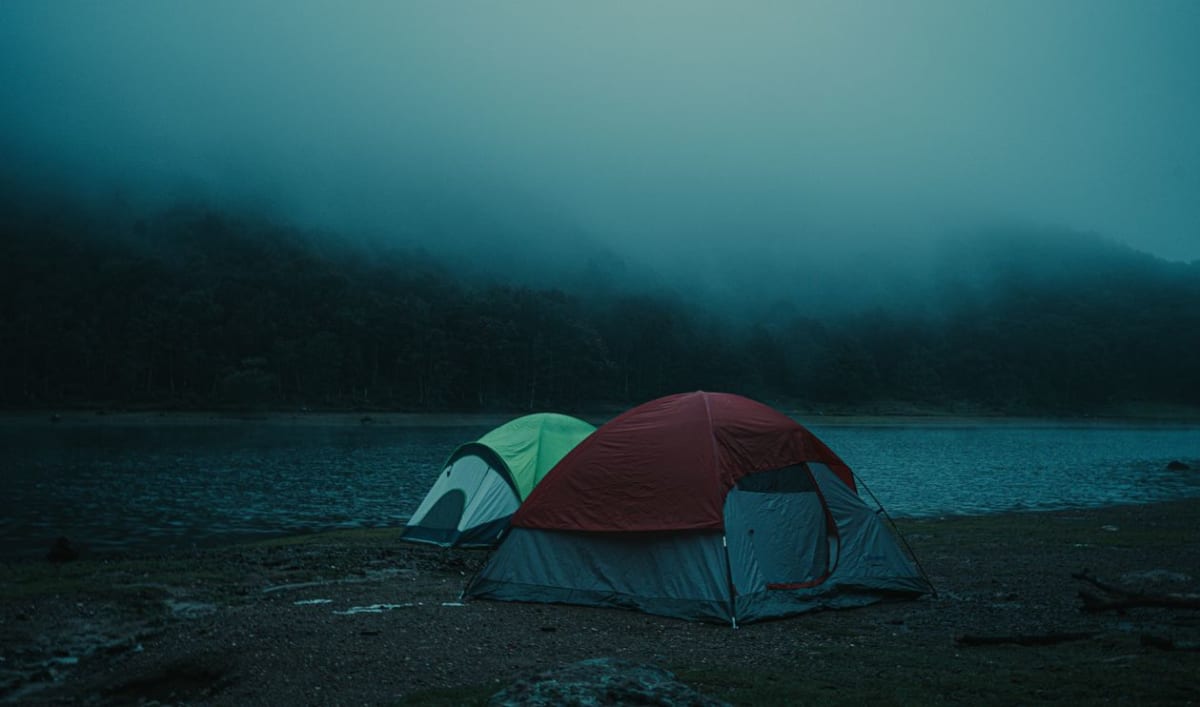
Camping near Puerto Escondido rewards anyone willing to trade a locked hotel door for a tent flap and a campfire — and the lagoon and Chacahua trips are a lot easier with someone who already knows the water, the tides, and where the turtles are nesting. Check our Puerto Escondido tours for guided lagoon nights, bioluminescence paddles, and the rest of the coast worth camping on.