



Puerto Escondido Backpacker’s Guide: Budget Travel Tips for Mexico’s Pacific Paradise
Why Puerto Escondido is Perfect for Backpackers
Nestled on Oaxaca’s Pacific coast, Puerto Escondido combines natural beauty with backpacker-friendly infrastructure. Unlike more touristy destinations like Cancún or Cabo, Puerto retains its authentic Mexican charm while catering to budget travelers. The town is divided into several neighborhoods, each with its own vibe: Zicatela for surfers and nightlife, La Punta for a mellower beach scene, and the Centro (Adoquín) for local markets and traditional eateries.
According to Oaxaca’s official tourism board, Puerto Escondido welcomes over 500,000 visitors annually, with backpackers making up a significant portion. The town’s infrastructure has evolved to meet budget travelers’ needs while maintaining its authentic character—you’ll find hostels with communal kitchens, beach palapas serving $3 fish tacos, and plenty of free or low-cost activities.
The Backpacker Neighborhoods Breakdown
Zicatela: The heart of backpacker culture in Puerto Escondido. This beach is famous for the Mexican Pipeline surf break and is lined with hostels, budget eateries, and beach bars. Expect to pay 150-300 pesos ($8-16 USD) per night for a dorm bed.
La Punta: A quieter alternative with calmer waters for swimming. This neighborhood offers a more relaxed vibe while still being walkable to Zicatela. Budget accommodations here range from 180-350 pesos ($10-19 USD) per night.
Centro/Adoquín: The oldest part of town where locals shop and eat. Stay here to experience authentic Puerto Escondido life. Accommodations are slightly cheaper, and you’ll find the best street food prices.
Budget Accommodation: Where to Sleep for Less
Accommodation can be your biggest expense or your best money-saver in Puerto Escondido. Here’s how to keep costs down without sacrificing safety or cleanliness.
Hostel Options and Prices
| Accommodation Type | Average Cost (MXN) | Average Cost (USD) | Best For |
|---|---|---|---|
| Hostel Dorm (8-12 beds) | 150-250 pesos | $8-14 | Solo travelers, socializing |
| Hostel Dorm (4-6 beds) | 250-350 pesos | $14-19 | Light sleepers, more privacy |
| Hostel Private Room | 400-600 pesos | $22-33 | Couples, privacy on a budget |
| Budget Hotel/Guesthouse | 500-800 pesos | $28-44 | Those wanting own space |
| Camping/Hammock | 50-150 pesos | $3-8 | Ultra-budget travelers |
Money-Saving Accommodation Tips
- Book for longer stays: Many hostels offer weekly discounts of 10-20%. A week-long stay might drop your nightly rate from 200 to 160 pesos.
- Work exchange programs: Some hostels and surf schools offer free accommodation in exchange for 4-5 hours of work daily. Look for opportunities on Workaway or contact hostels directly.
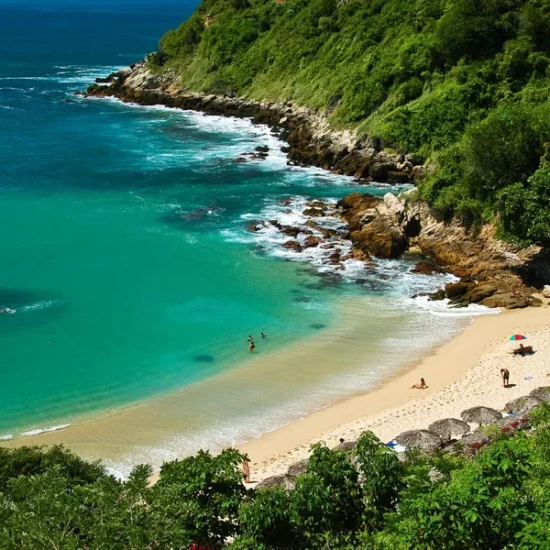
- Camping options: Several beaches allow camping, including Playa Carrizalillo (with permission from local businesses). Some palapas rent hammock space for 50-100 pesos per night.
- Choose hostels with kitchens: Cooking your own meals can save 200-300 pesos daily compared to eating out for every meal.
- Travel in low season: May through October (except July-August) sees significantly lower prices, with dorm beds sometimes as cheap as 120 pesos.
Eating on a Backpacker Budget: Where to Find Cheap, Delicious Food
Food in Puerto Escondido can be incredibly affordable if you know where to look. While Zicatela’s beachfront restaurants cater to tourists with higher prices, venturing into local neighborhoods reveals authentic Oaxacan cuisine at backpacker-friendly prices.
Budget-Friendly Eating Strategies
Comedores económicos: These simple local restaurants serve comida corrida (daily set menus) for 60-90 pesos ($3-5 USD). A typical meal includes soup, rice, main dish, beans, tortillas, and agua fresca. Head to the streets behind the ADO bus station or ask locals for their favorite comedor.
Market meals: The Mercado Benito Juárez in Centro offers breakfast tamales for 15-20 pesos, fresh fruit for 20-30 pesos per kilo, and hearty breakfast plates (eggs, beans, tortillas) for 50-70 pesos. This is where locals eat, ensuring authentic flavors and rock-bottom prices.
Street tacos: Find taco stands throughout town serving tacos for 10-15 pesos each. Three tacos make a filling meal for under 50 pesos. Look for stands with plastic chairs full of locals—that’s your quality indicator.
Cook at your hostel: Shop at local markets for ingredients. A week’s worth of basic groceries (eggs, beans, rice, vegetables, fruit) costs 300-500 pesos. Markets are significantly cheaper than supermarkets like Chedraui or Oxxo.
Sample Daily Food Budget
- Ultra-budget (100-150 pesos/$5-8 USD daily): Market breakfast (40 pesos), street tacos (50 pesos), fruit snacks (30 pesos), cook dinner at hostel (20 pesos ingredients)
- Moderate budget (200-300 pesos/$11-16 USD daily): Comedor breakfast (60 pesos), budget restaurant lunch (80 pesos), street dinner (60 pesos), beers/snacks (50 pesos)
- Comfortable budget (400-500 pesos/$22-28 USD daily): Mix of budget meals with occasional beachfront restaurant, including drinks
For those interested in diving deeper into Oaxacan flavors, consider joining a traditional Oaxacan cooking class where you’ll learn to prepare authentic dishes while supporting local cuisine preservation.
Free and Low-Cost Activities: Adventure Without the Price Tag
One of Puerto Escondido’s greatest advantages for backpackers is the abundance of free and affordable activities. You don’t need to spend hundreds of dollars on tours to experience the region’s magic.
Free Activities
- Surfing (if you have a board): Zicatela’s waves are world-renowned and completely free. Even if you’re not surfing, watching the pros tackle the Mexican Pipeline is entertainment in itself.
- Beach hopping: Walk or take cheap colectivos (10-15 pesos) to explore different beaches. Carrizalillo, Manzanillo, Angelito, and Bacocho each offer unique vibes and are free to enjoy.
- Sunset watching: Punta Zicatela offers spectacular Pacific sunsets. Grab a beer from an Oxxo (20-30 pesos) and enjoy nature’s free show.
- Mercado exploring: Wander through Benito Juárez market to see local life, sample free fruit tastings, and soak up authentic culture.
- Laguna de Manialtepec swimming: While tours cost money, you can take a colectivo to the lagoon (30 pesos) and swim in the fresh water for free.
- Hiking to viewpoints: Several trails around Puerto offer ocean views. Ask locals about senderos (trails) for free hiking options.
Budget Tours and Activities
While free activities are great, some of Puerto Escondido’s most magical experiences require modest investment. Here are the best value tours for backpackers:
- Bioluminescence tours: Paddle through glowing waters in Manialtepec lagoon—one of Mexico’s most unique natural phenomena. This is a must-do experience that’s worth the splurge.
- Sea turtle releases: Help release baby turtles into the ocean while supporting conservation. Available seasonally (July-December).
- Dolphin watching boat tours: Morning tours offer the best chance to see dolphins, sea turtles, and possibly whales (December-March).
- Surfboard rentals: Many surf shops offer multi-day discounts.
- Surf lessons: Shop around—prices vary significantly between schools.
- Mezcal tours: Visit traditional palenques (distilleries) to learn about mezcal production and sample varieties. A cultural education worth the investment.
According to Visit México, Puerto Escondido’s eco-tourism activities offer some of the best value in Mexico, combining adventure with environmental conservation efforts.
Transportation: Getting Around on a Budget
Transportation in Puerto Escondido is remarkably affordable compared to other Mexican beach destinations. Understanding your options will save you significant money.
Local Transportation Options
| Transport Type | Cost | Best For | Tips |
|---|---|---|---|
| Colectivo (shared van) | 7-15 pesos | Moving between neighborhoods | Wave down vans on main roads; pay when exiting |
| City bus | 7-10 pesos | Longer routes, airport | Ask driver if bus goes to your destination |
| Taxi (short distance) | 40-80 pesos | Late night, heavy luggage | Always negotiate price before entering |
| Uber/DiDi | 50-100 pesos | Convenience, price transparency | Available in main tourist areas only |
| Bicycle rental | 100-150 pesos/day | Exploring at your own pace | Negotiate weekly rates for better prices |
| Motorcycle rental | 250-400 pesos/day | Exploring distant beaches | Check insurance; wear helmet always |
| Walking | Free | Zicatela to La Punta area | Bring water; can be hot midday |
Getting to Puerto Escondido on a Budget
From Mexico City: Overnight buses (ADO) cost 800-1,200 pesos ($44-66 USD) and take 10-11 hours. Book in advance for best prices. Budget flights can sometimes be found for similar prices but check baggage fees.
From Oaxaca City: Direct buses cost 350-500 pesos ($19-28 USD) and take 6-7 hours. This is the most scenic route through the Sierra Madre del Sur mountains.
From other coastal towns: Colectivos and local buses connect Puerto Escondido with Pochutla, Huatulco, and Pinotepa Nacional. Always cheaper than tourist shuttles.
The Mexican Secretariat of Communications and Transportation maintains updated information on regional bus services and routes along the Oaxaca coast.
Money-Saving Tips and Backpacker Hacks
Essential Budget Travel Strategies
- Withdraw cash wisely: ATMs charge 50-80 peso fees per transaction. Withdraw larger amounts less frequently to minimize fees. Santander and Banamex generally have lower fees than others.
- Learn basic Spanish: Even basic phrases get you better prices and access to local spots tourists never find. “¿Cuánto cuesta?” (how much?) and “¿Hay descuento?” (is there a discount?) are essential.
- Buy drinking water in garrafones: Large 20-liter jugs cost 30-40 pesos and can be refilled for 15-20 pesos. Far cheaper than buying individual bottles (10-15 pesos each).
- Happy hour strategies: Many bars offer 2-for-1 beers between 5-7pm. National beers (Victoria, Modelo, Corona) cost 25-40 pesos during happy hour versus 50-70 pesos regular price.
- Negotiate for longer stays: Whether hostels, rentals, or even restaurant meal plans, everything is negotiable for extended periods. A month-long stay often gets 20-30% discounts.
- Join Facebook groups: “Puerto Escondido Backpackers” and “Puerto Escondido Buy/Sell” groups offer ride shares, used gear, and local tips from other travelers.
- Avoid Zicatela beachfront for everything: Restaurants, shops, and services on the beach charge 30-50% more than identical options one block inland.
What to Pack for Budget Travel
- Reusable water bottle with filter (save 30-50 pesos daily on bottled water)
- Quick-dry towel (some budget hostels charge towel rental fees)
- Basic first-aid kit (pharmacies are cheap but having essentials saves time)
- Reef-safe sunscreen (required for protected areas; expensive locally)
- Power bank (electricity sometimes goes out in budget accommodations)
- Headlamp or flashlight (some streets lack lighting; also useful for camping)
- Snorkel gear if you have it (rental costs 100-150 pesos daily)
- Dry bag (protects valuables at beach and during boat tours)
- Spanish phrasebook or offline translation app
Safety and Health on a Budget
Staying healthy and safe doesn’t have to be expensive, but it requires awareness and preparation.
Health Tips
- Drink purified water only: Tap water is not potable. Most hostels provide purified water. Garrafones (large jugs) are the most economical option.
- Street food safety: Eat where locals eat and food is cooked fresh. Avoid pre-prepared items sitting out in heat. Trust your gut instincts.
- Sun protection: The Oaxaca coast sun is intense. Sunburn can ruin your trip and force expensive aloe vera purchases. Cover up midday (11am-3pm).
- Basic travel insurance: World Nomads and SafetyWing offer backpacker-friendly policies starting at $40-50 monthly. Medical care in Puerto is affordable, but serious issues requiring evacuation are not.
- Generic medications: Pharmacies (farmacias) are everywhere and most medications are available without prescription. Ask for genéricos (generic brands) to save 50-70% versus brand names.
Safety Considerations
- Ocean safety: Zicatela’s waves are dangerous for inexperienced swimmers. Drownings occur annually. Swim at Carrizalillo or Manzanillo if you’re not a strong swimmer. Lifeguards are rare.
- Valuables: Most hostels provide lockers. Use them. Beach theft happens when belongings are left unattended.
- Night safety: Puerto is generally safe, but walk in groups late at night and avoid empty, dark streets. Stick to well-lit main roads.
- Ride safety: If renting motorcycles or scooters, wear helmets (legally required) and drive defensively. Roads can be poorly lit and maintenance varies.
- Emergency numbers: Police 911, Red Cross (ambulance) 066, Tourist police 954-582-0898
Sample Budget Itineraries
Ultra-Budget Week (1,500-2,000 pesos/$83-111 USD total)
Daily breakdown: 210-285 pesos
- Accommodation: 150 pesos (8-bed dorm, low season)
- Food: 120 pesos (market meals, cook dinner)
- Activities: 20 pesos (beaches, hiking, sunset watching)
- Transport: 20 pesos (colectivos for beach hopping)
- Splurge: Save for one bioluminescence tour (500 pesos from weekly budget)
Comfortable Budget Week (3,500-4,500 pesos/$194-250 USD total)
Daily breakdown: 500-640 pesos
- Accommodation: 250 pesos (smaller dorm or work exchange)
- Food: 250 pesos (mix of budget meals and occasional restaurants)
- Activities: 100 pesos (budget tours, surf rental)
- Transport: 50 pesos (colectivos, occasional taxi)
- Extras: 100 pesos (drinks, snacks, souvenirs)
- Include: Bioluminescence tour, turtle release, dolphin watching
One-Month Budget Breakdown (15,000-20,000 pesos/$833-1,111 USD total)
Daily breakdown: 500-666 pesos
- Accommodation: 4,000-5,000 pesos (monthly hostel rate or shared house)
- Food: 6,000-8,000 pesos (mostly cooking, some eating out)
- Activities: 2,500-3,500 pesos (several tours, surf lessons, rentals)
- Transport: 1,500-2,000 pesos (local transport, day trip to nearby towns)
- Extras: 1,000-1,500 pesos (social activities, drinks, beach supplies)
When to Visit: Timing Your Budget Travel
Peak season (November-April): Best weather but highest prices. Accommodation can be 30-50% more expensive. Book ahead. Waves are biggest December-March.
Shoulder season (May, October): Sweet spot for budget travelers. Weather still good, prices drop significantly, fewer crowds. Occasional rain possible but usually brief afternoon showers.
Low season (June-September): Cheapest prices but more rain and humidity. Hurricanes possible (though rare in Puerto Escondido). Smaller waves, warmer water. Best for long-term stays and serious budget travelers.
Special events: Avoid the last two weeks of November (international surf competitions drive prices up 50-100%). Christmas and New Year also see significant price increases and require advance booking.
Working While Traveling: Extending Your Stay
Many backpackers extend their Puerto Escondido adventure by working remotely or doing short-term gigs.
Work Opportunities
- Hostel work exchanges: Reception, cleaning, or social media management for free accommodation and sometimes meals
- Surf instructors: If you’re advanced, some schools hire travelers seasonally (Spanish required)
- English teaching: Private lessons earn 150-250 pesos per hour; advertise in Facebook groups
- Remote work: Strong WiFi available in most hostels and cafes. Digital nomad community is growing
- Photography/videography: Create content for tours, restaurants, or hostels in exchange for services
- Street vending: Technically requires permits, but some backpackers sell handmade jewelry or art at sunset
WiFi quality: Most accommodations offer WiFi, but speed varies (3-15 Mbps typical). For reliable fast internet, consider co-working spaces (100-150 pesos/day) or cafes with good connections.
Conclusion: Your Budget Puerto Escondido Adventure Awaits
Puerto Escondido proves that paradise doesn’t require a hefty bank account. With strategic planning, cultural openness, and willingness to embrace local ways, backpackers can experience world-class waves, stunning beaches, incredible biodiversity, and authentic Oaxacan culture for as little as 200-300 pesos daily. Whether you’re passing through on a multi-month Latin America journey or settling in for an extended stay, this Pacific coast gem offers the perfect balance of adventure, community, and affordability. The key is staying flexible, eating where locals eat, exploring beyond the beachfront tourist zone, and investing in a few unforgettable experiences like bioluminescence tours or turtle releases that make Puerto Escondido truly magical.
Frequently Asked Questions
How much money do I need per day as a backpacker in Puerto Escondido?
Budget backpackers can get by on 200-300 pesos ($11-16 USD) daily by staying in dorms, eating at local markets and comedores, and focusing on free beach activities. A more comfortable budget of 400-600 pesos ($22-33 USD) daily allows for better accommodations, occasional tours like bioluminescence or dolphin watching, and dining at mid-range restaurants. Long-term travelers working or on extended stays typically spend 500-800 pesos ($28-44 USD) daily including accommodation, food, activities, and social expenses.
Is Puerto Escondido safe for solo backpackers?
Yes, Puerto Escondido is generally safe for solo backpackers, including solo female travelers. The backpacker community is well-established and hostels foster social environments. Standard precautions apply: don’t walk alone on empty beaches or streets late at night, use hostel lockers for valuables, avoid excessive alcohol consumption, and trust your instincts. The most significant safety concern is actually ocean conditions—Zicatela’s waves are powerful and drownings occur when tourists underestimate them. Swim at Carrizalillo or Manzanillo if you’re not a strong swimmer, and never swim alone at Zicatela.
What’s the best neighborhood for backpackers to stay in?
Zicatela is the backpacker hub with the highest concentration of hostels, surf culture, and nightlife. It’s walkable, has numerous budget food options, and you’ll easily meet other travelers. La Punta offers a slightly mellower vibe with calmer swimming conditions while still being close to the action. Centro (Adoquín) is best for those wanting authentic local experience with the cheapest food prices, though it’s less social and further from surf beaches. Most first-time backpackers prefer Zicatela for the community atmosphere and central location.
Can I drink tap water in Puerto Escondido?
No, tap water is not potable in Puerto Escondido. Always drink purified water, which is widely available and affordable. Most hostels provide complimentary purified water for guests. The most economical option is buying a 20-liter garrafón (large jug) for 30-40 pesos and getting refills for 15-20 pesos at water purification stations throughout town. This costs far less than buying individual bottles. Bring a reusable water bottle to fill from your garrafón or hostel supply—you’ll save money and reduce plastic waste.
What’s the WiFi situation for digital nomads and remote workers?
WiFi is available in most hostels, hotels, and cafes, but connection quality varies significantly. Typical speeds range from 3-15 Mbps, which is adequate for email, browsing, and video calls, but may struggle with large file uploads or downloads. For reliable fast internet, consider co-working spaces (100-150 pesos/day membership) which offer dedicated workspaces and speeds of 20-50 Mbps. Telcel and AT&T offer the best mobile data coverage if you need backup connectivity. Many digital nomads stay long-term (1+ months) and arrange private rentals with good internet as a priority.
Do I need to speak Spanish to backpack in Puerto Escondido?
While many people in the tourism industry speak basic English, knowing Spanish significantly improves your experience and saves money. You’ll access local markets, comedores, and neighborhoods where English isn’t spoken, which is where the best value exists. Even basic Spanish phrases help you negotiate prices, understand bus routes, and connect with locals. Many backpackers use their Puerto Escondido stay to improve their Spanish—the relaxed atmosphere and welcoming locals make it an ideal learning environment. Download an offline translation app before arrival and consider taking informal Spanish lessons (many hostels connect travelers with local teachers for 150-200 pesos/hour).
Disclaimer: Prices, schedules, and information are approximate and subject to change. Always confirm current rates, tour availability, and local regulations before booking. For safety concerns or emergencies, contact local authorities or your embassy. This guide is for informational purposes only—travelers are responsible for their own decisions and safety.
Ready to explore more destinations?
Check out the best places to visit in Mexico by Aliki Travel Blog 😎
Connect With Us
Follow Puerto Escondido Tours for more budget travel tips, local recommendations, and special offers: