
Huatulco, Oaxaca: The Complete Destination Guide
Huatulco, Oaxaca: The Complete Destination Guide
Huatulco, Oaxaca is a nine-bay resort region on Mexico’s southern Pacific coast, built around calmer, bluer water than its surfier neighbor Puerto Escondido, 70 km up the coast. Spread across three towns — Santa Cruz, La Crucecita, and Tangolunda — and protected by a federal national park covering roughly 70% of the surrounding land, Huatulco is where Oaxaca’s coast goes upscale without losing the state’s food, culture, and small-scale feel. This guide covers the bays, what to do, where to stay, and when to go.
| Quick Fact | Detail |
|---|---|
| Location | Pacific coast of Oaxaca, Mexico (municipality of Santa María Huatulco) |
| Known for | 9 bays, 36 beaches, calm swimmable water, boat tours |
| Best time to visit | November–April (dry season, whale season Dec–Mar) |
| Nearest airport | Huatulco International Airport (HUX) |
| Distance from Puerto Escondido | ~70 km / ~1.5 hrs by road — see our full location & distance guide |

The Nine Bays of Huatulco

The name “Huatulco” covers nine bays — Santa Cruz, Chahué, Tangolunda, Conejos, El Órgano, Maguey, Cacaluta, Chachacual, and San Agustín — strung along roughly 35 km of coast. Only three are directly road-accessible; the rest are reached by boat, which is exactly what keeps them undeveloped and calm.
- Santa Cruz Bay: the original fishing port and marina, now with a small malecón, boat dock, and easy access to day-trip departures.
- Tangolunda Bay: the resort and golf strip, home to most large all-inclusive hotels.
- Maguey Bay: a calm, family-friendly beach with palapa restaurants and gentle swimming water.
- Cacaluta & Chachacual Bays: undeveloped, boat-access-only beaches inside the national park — some of the clearest water on this stretch of coast.
- San Agustín Bay: a working fishing village at the far end of the bay system, popular for its snorkeling and simple seafood shacks.
Best Things to Do in Huatulco
Most Huatulco itineraries revolve around getting out on the water, since so many of the best beaches aren’t reachable by road. A half- or full-day boat tour through the bays is the single most popular thing to do here, and it’s easy to combine with the activities below.
- Bay-hopping boat tour: the classic way to see 4–7 bays in a day, usually with a snorkeling and beach stop included.
- Snorkel at Playa La Entrega: the most accessible reef in Huatulco, reachable by road from Santa Cruz — good for beginners.
- Copalitilla waterfalls: a series of natural pools and cascades inland, best visited in the rainy season (June–October) when flow is strongest.
- Whale watching: humpback whales pass offshore December through March, with dedicated boat trips departing from Santa Cruz.
- Day trip to Mazunte: the turtle-and-yoga town is close enough for a day out from Huatulco — see our Mazunte Beach guide for what to expect.
Where to Stay: Santa Cruz, La Crucecita & Tangolunda

Tangolunda is the resort zone — large hotels, a golf course, and beachfront pools, best for travelers who want an all-inclusive stay and don’t plan to leave the property much. Santa Cruz sits closer to the marina and boat departures, with a walkable beach and a mix of mid-range hotels — the best base if boat tours and snorkeling are the priority.
La Crucecita is the inland town center, a short drive or taxi from the beach but home to the main plaza, most local restaurants, and the cheapest lodging — a good pick for travelers who want to eat and shop like a local and don’t mind a short commute to the water.
When to Visit & How to Get There
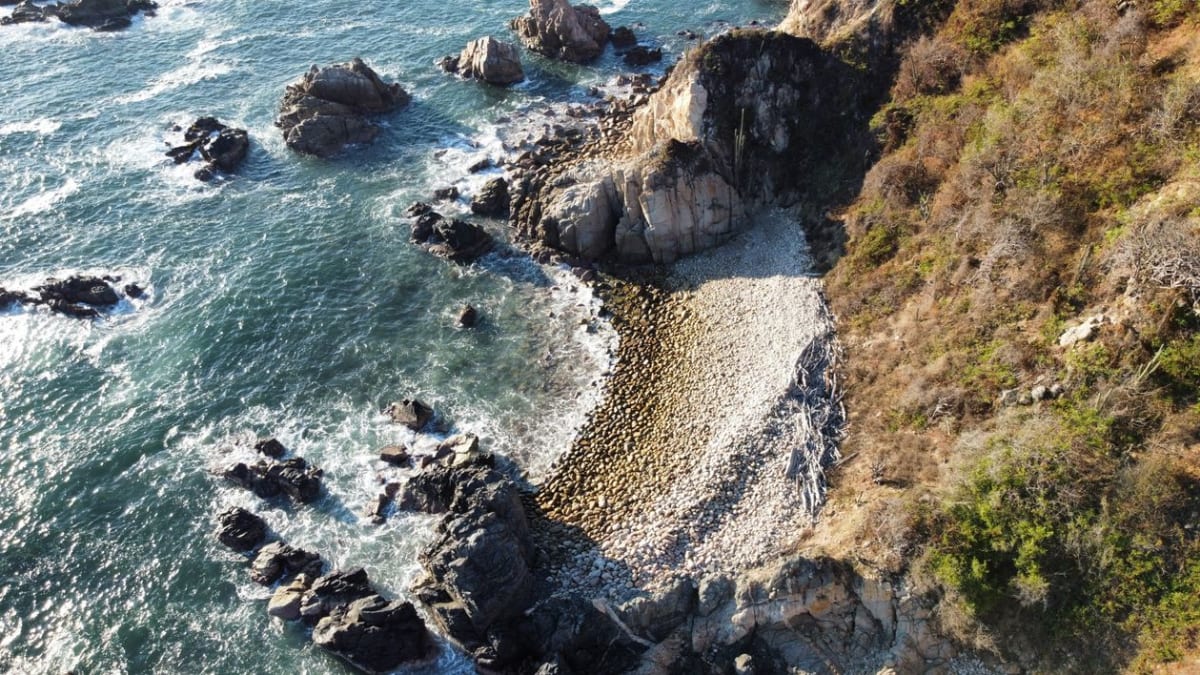
November through April is the dry season and the most popular window — calm water, little rain, and (December–March) whale sightings offshore. May through October is hotter and wetter, with short afternoon downpours rather than all-day rain; it’s also when the Copalitilla waterfalls run fullest and hotel rates drop. Huatulco International Airport (HUX) has direct flights from Mexico City and Oaxaca City; travelers coming from Puerto Escondido usually drive or bus the ~70 km along Federal Highway 200 — full details in our Huatulco location and distance guide.
FAQ: Visiting Huatulco
Is Huatulco worth visiting?
Yes, especially if you want calmer water and more structured resort infrastructure than Puerto Escondido offers. It’s a strong pick for families, snorkelers, and travelers who want boat-based day trips rather than a surf-town base.
Which bay in Huatulco is best?
Santa Cruz is the most practical base for access to tours and restaurants; Maguey is best for families wanting a calm, easy beach; Cacaluta and Chachacual are best for travelers chasing the clearest, least-crowded water via boat.
How many days do you need in Huatulco?
Three to four days covers a bay-hopping boat tour, a snorkeling day, and time to relax at your base bay. Add a day if you plan to visit the Copalitilla waterfalls or day-trip to Mazunte.
Is Huatulco safe for tourists?
Huatulco is generally considered one of the safer coastal destinations in Oaxaca, largely because its tourism infrastructure is planned and concentrated rather than sprawling — standard travel precautions apply as anywhere in Mexico.
Weighing Huatulco against Puerto Escondido for your trip? Read the full Bahías de Huatulco overview, or browse our things to do in Puerto Escondido guide to help decide how to split your time between both.
auto_awesomeContinue exploring Puerto Escondido
You Might Also Like
 articleAdventurescalendar_todayJan 6, 2026
Best Day Trips from Puerto Escondido: Explore Oaxaca’s Hidden Coastal Treasures
Puerto Escondido is more than just world-class surf and stunning sunsets—it’s your gateway to some of Oaxaca’s most brea
 calendar_todayAug 31, 2026
Laguna de Chacahua: The Complete Guide to Oaxaca's Crocodile Lagoon
A complete guide to Laguna de Chacahua's crocodile-filled lagoon, mangrove boat tours, and the bioluminescent beach beyo
 calendar_todayAug 30, 2026
Things to Do in Zipolite, Oaxaca: Beaches, Surf & Sunsets
From Playa del Amor to the nightly mezcal-and-sunset ritual: a local's guide to filling your days in Zipolite, Oaxaca.