



Puerto Escondido Photography Guide
Puerto Escondido offers photographers an incredible canvas of dramatic coastlines, vibrant street life, golden-hour beaches, and lush natural landscapes. Whether you’re a professional photographer or simply want to capture unforgettable vacation memories, this Oaxacan paradise delivers year-round with its consistent light, diverse textures, and authentic cultural scenes. From the thundering waves of Zicatela to the tranquil bioluminescent waters of Manialtepec Lagoon, every corner reveals a new photographic opportunity waiting to be discovered.
Best Beach Photography Spots in Puerto Escondido
The beaches of Puerto Escondido each offer distinct photographic personalities, from dramatic surf breaks to intimate coves perfect for portrait work.
Playa Zicatela: The Mexican Pipeline
Zicatela is legendary for its powerful waves and surf culture, making it ideal for action photography. The best time to shoot here is early morning (6:00-8:00 AM) when side-lighting creates dramatic contrast on the wave faces and surfers are catching their first sets. Position yourself on the elevated walkway along the beach for safe vantage points above the shore break. During sunset (5:30-7:00 PM), the warm light transforms the sand into golden tones while silhouetting surfers against the Pacific horizon. According to Visit México, Zicatela’s consistent waves make it one of Mexico’s premier surf photography destinations.
Playa Carrizalillo: Intimate Cove Beauty
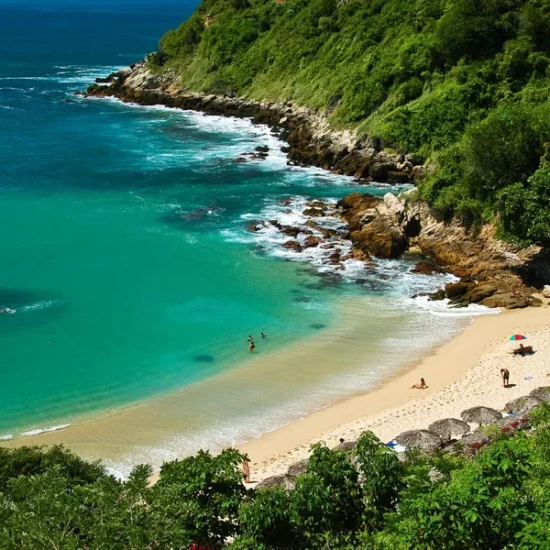
This small bay accessed by stairs offers turquoise waters, fishing boats, and natural rock formations. Arrive at 7:00 AM for soft morning light with minimal crowds—the stairway itself creates leading lines perfect for composition. The elevated viewpoint from the top of the stairs provides sweeping panoramas of the cove. Midday harsh light can be challenging, but the clear water is ideal for underwater photography with a waterproof camera or housing. Sunset here is magical, with boats silhouetted against warm skies.
La Punta: Surf and Lifestyle Photography
La Punta’s mellower waves and laid-back vibe make it perfect for lifestyle and candid photography. The shallow reef break allows you to get closer to surfers safely. Golden hour (one hour before sunset) provides the most flattering light for both landscape and portrait work. The beach stretches offer clean backgrounds, and the surrounding palapa restaurants and bohemian atmosphere add cultural context to your images. Consider including surfskate lessons in your itinerary to capture authentic action shots.
Puerto Angelito: Family-Friendly Beach Scenes
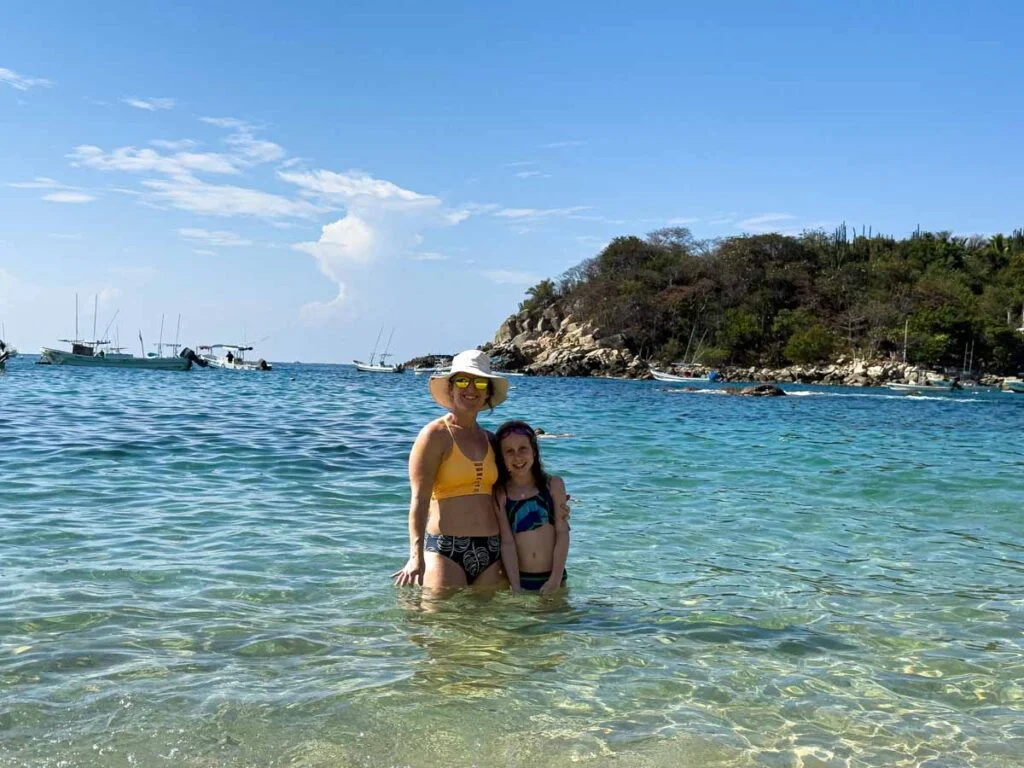
This protected bay with calm waters is excellent for family portrait work and documentary-style beach photography. The turquoise water creates beautiful color contrast, and the mix of locals and tourists provides authentic cultural moments. Shoot between 8:00-10:00 AM or 4:00-6:00 PM to avoid harsh overhead sun.
Natural Landscapes and Wildlife Photography
Manialtepec Lagoon: Reflections and Bioluminescence
Manialtepec Lagoon is a photographer’s dream for both daytime and nighttime shooting. During daylight hours, especially at sunrise (6:30-7:30 AM), the glassy water creates perfect mirror reflections of mangroves and birds. For wildlife photography, join a bird watching tour where herons, egrets, and ibis provide excellent subjects against the lagoon backdrop.
Bioluminescence photography requires specific techniques: bring a tripod, use manual mode with high ISO (3200-6400), wide aperture (f/2.8 or wider), and long exposures (15-30 seconds). The bioluminescence tour operates in complete darkness, so prepare your camera settings in advance. According to research from CONANP, these protected coastal lagoons are biodiversity hotspots worthy of conservation documentation.
Punta Cometa: Dramatic Coastal Vistas
Located near Mazunte (about 1 hour from Puerto Escondido), Punta Cometa is one of the southernmost points of Oaxaca’s coast. The rocky outcrop provides 360-degree views perfect for wide-angle landscape photography. Sunset here is spectacular—arrive 30 minutes early to scout compositions and capture the changing light. The contrast between rocky cliffs and turquoise bays creates dynamic foreground-background relationships.
Hot Springs: Waterfall and Natural Pool Photography
The area’s hot springs surrounded by tropical vegetation offer lush, intimate nature photography opportunities. The filtered light through canopy creates soft, diffused conditions ideal for waterfall photography. Use slower shutter speeds (1/4 to 2 seconds) to create silky water effects while keeping foliage sharp. Book a hot springs hike for guided access to the best photographic locations.
Cultural and Street Photography Opportunities
Mercado Benito Juárez: Authentic Market Scenes
The local market pulses with color, activity, and authentic Oaxacan culture. Arrive early (7:00-9:00 AM) when vendors are setting up and natural light streams through the structure. Always ask permission before photographing people—a smile and “¿Puedo tomar una foto?” goes a long way. The produce stalls, flowers, tlayudas preparation, and traditional textiles offer endless compositional possibilities. Bring a fast prime lens (35mm or 50mm f/1.8) for low-light capability without flash, which can be intrusive.
Adoquín (Tourist Walkway): Evening Energy
The pedestrian street comes alive at sunset with street performers, vendors, and tourists. Blue hour (20-30 minutes after sunset) provides beautiful ambient light mixing with artificial lighting from shops and restaurants. Use a higher ISO (1600-3200) to maintain faster shutter speeds for capturing motion. The mix of traditional Mexican crafts, modern cafes, and beach atmosphere tells the story of Puerto Escondido’s dual nature.
Fishing Traditions: Morning Boat Returns
Head to the main beach near the pier at sunrise (6:00-7:00 AM) when fishing boats return with their catch. The working fishermen, colorful boats, and authentic maritime culture provide documentary-style opportunities. The early light creates long shadows and warm tones perfect for storytelling images.
Optimal Times and Light Conditions for Photography
| Time of Day | Light Quality | Best Subjects | Photography Tips |
|---|---|---|---|
| Sunrise (6:00-7:30 AM) | Soft, warm, directional | Beaches, surf, landscapes, fishing boats | Arrive 30 minutes early; fewer crowds; calm conditions |
| Morning (7:30-10:00 AM) | Bright, clear, still pleasant | Wildlife, market scenes, portraits | Good for color saturation; shadows still manageable |
| Midday (11:00 AM-3:00 PM) | Harsh, overhead, high contrast | Underwater, architecture details, shade portraits | Avoid direct sun portraits; use for technical subjects |
| Golden Hour (4:30-6:00 PM) | Warm, soft, flattering | Beach portraits, lifestyle, landscapes | Best all-around light; perfect for skin tones |
| Sunset (6:00-7:00 PM) | Dramatic, colorful, silhouettes | Seascapes, silhouettes, romantic scenes | Expose for sky and embrace silhouettes |
| Blue Hour (7:00-7:30 PM) | Soft blue ambient, mixed lighting | Cityscapes, restaurant scenes, street life | Higher ISO needed; balance artificial and ambient light |
| Night (8:00 PM+) | Artificial, stars, bioluminescence | Astrophotography, bioluminescence, night markets | Tripod essential; long exposures; manual focus |
Seasonal Photography Considerations
Puerto Escondido’s seasons affect photographic opportunities significantly. According to climate data from INEGI, the dry season (November-April) offers consistent clear skies, predictable sunsets, and calm ocean conditions ideal for landscape and seascape work. The rainy season (May-October) brings dramatic storm clouds, lush vegetation, and occasional spectacular light breaks through clouds—perfect for moody atmospheric photography. Whale watching season (December-March) provides unique whale watching photography opportunities, while turtle nesting season (June-November) allows documentation of sea turtle releases.
Essential Photography Gear for Puerto Escondido
Camera Equipment Checklist
- Camera body: DSLR or mirrorless with good low-light performance (high ISO capability)
- Lenses: Wide-angle (16-35mm) for landscapes; standard zoom (24-70mm) for versatility; telephoto (70-200mm) for wildlife and surf; fast prime (35mm or 50mm f/1.8) for street and low-light
- Tripod: Lightweight travel tripod for long exposures, waterfalls, and night photography
- Filters: Polarizing filter for reducing water glare and enhancing sky; neutral density filters for long exposures in bright conditions
- Memory cards: Multiple high-capacity cards (64GB+); never rely on a single card
- Extra batteries: Heat drains batteries faster; bring at least two spares
- Cleaning kit: Microfiber cloths, lens pen, and rocket blower for sand and salt spray
- Waterproof housing or dry bag: Essential for boat tours and beach protection
- Remote shutter release: For long exposures and self-portraits
Protection from the Elements
Puerto Escondido’s coastal environment poses challenges for camera gear. Salt spray, sand, humidity, and intense sun can damage equipment. Always use a UV filter as a first line of lens protection. Store gear in sealed bags with silica gel packets when not in use. Clean sensors and lenses regularly—sand particles are extremely fine and penetrate everywhere. Never leave cameras in direct sun in your vehicle; interior temperatures can damage electronics. For boat tours, double-bag your equipment in waterproof protection even on calm days—ocean spray is inevitable.
Photography Tours and Workshops in Puerto Escondido
While independent photography exploration is rewarding, guided tours provide access to locations, timing, and local knowledge that enhance photographic success. Many tours operate during optimal lighting conditions and bring you to spots difficult to find independently.
Consider combining photography with experiential tours: a dolphin watching boat tour provides marine wildlife opportunities, while a mezcal tour documents traditional production processes in stunning rural settings. The kayaking in the mangroves experience allows low-angle water-level perspectives impossible from shore.
Ethical Photography Practices and Cultural Sensitivity
Respecting People and Privacy
Always ask permission before photographing individuals, especially in markets, at religious sites, or in indigenous communities. “¿Puedo tomar una foto, por favor?” (May I take a photo, please?) shows respect. If someone declines, thank them and move on graciously. Never photograph children without explicit parental permission. Be especially sensitive in economically vulnerable areas—photography should document dignity, not poverty tourism.
Environmental Responsibility
Never disturb wildlife for photographs. Maintain appropriate distances from nesting sea turtles, marine mammals, and birds. Don’t remove or rearrange natural elements for compositions—leave no trace principles apply to photography. Avoid using drones near wildlife areas or during sensitive nesting periods. Stay on designated trails when photographing landscapes to prevent erosion.
Supporting Local Communities
When photographing markets, consider purchasing from vendors you photograph. Hire local guides who know sensitive areas and appropriate practices. Share images with subjects when possible—many locals appreciate receiving photos. Credit local guides and tour operators when posting images commercially or on social media.
Post-Processing Tips for Puerto Escondido Images
Puerto Escondido’s intense tropical light often requires careful post-processing to match what your eyes experienced. For beach scenes, reduce highlights in the sky while lifting shadows in darker sand areas to balance exposure. Enhance the vibrant turquoise and blue tones of the Pacific without oversaturating. For sunset images, adjust white balance slightly warmer and increase clarity selectively on clouds for drama without looking unnatural.
Street photography benefits from subtle contrast adjustments and occasional conversion to black-and-white to emphasize form and emotion over color. For wildlife and nature shots, careful sharpening and noise reduction preserve detail while maintaining natural appearance. Always shoot in RAW format to maximize post-processing flexibility.
Back up images immediately—cloud storage options like Google Photos, Dropbox, or Adobe Creative Cloud ensure your work survives equipment loss or failure. Consider carrying a portable hard drive for on-location backup. When sharing on social media, tag location-specific hashtags like #PuertoEscondidoPhotography, #OaxacaCoast, and #MexicoTravel to connect with photography communities. Respect privacy and cultural sensitivity when posting images of people, always considering whether subjects would appreciate public sharing.
Frequently Asked Questions
What is the best time of year to photograph Puerto Escondido?
November through April offers the most consistent conditions with clear skies, predictable sunsets, and calm seas ideal for landscape and seascape photography. However, the rainy season (May-October) provides dramatic clouds, lush green vegetation, and spectacular light breaks that create moody, atmospheric images. Whale watching season (December-March) and turtle nesting season (June-November) offer unique wildlife photography opportunities not available year-round.
Do I need special permits to photograph in Puerto Escondido?
Personal photography for non-commercial use generally requires no permits. However, commercial photography or drone operations may require permissions from local authorities or property owners. Always ask permission before photographing on private property, in businesses, or at organized tours. Some protected natural areas may have restrictions on tripod use or photography during sensitive wildlife periods.
Is it safe to bring expensive camera equipment to Puerto Escondido?
Puerto Escondido is generally safe for tourists with standard precautions. Keep expensive equipment out of sight when not in use, never leave gear unattended on beaches or in vehicles, and use hotel safes for storage. Avoid displaying expensive cameras ostentatiously in crowded areas. Purchase travel insurance that covers photography equipment, and photograph your gear serial numbers before traveling for insurance documentation.
What camera settings work best for photographing Puerto Escondido’s waves?
For freezing wave action and surf photography, use shutter speeds of 1/500 second or faster with continuous autofocus and burst mode. For silky water effects during sunrise or sunset, use shutter speeds of 1/4 to 2 seconds with a tripod and neutral density filter if needed. Aperture around f/8-f/11 provides good depth of field for landscapes while maintaining sharpness. Adjust ISO as needed to maintain proper exposure.
Can I photograph the bioluminescence in Manialtepec Lagoon?
Yes, but bioluminescence photography is technically challenging. You’ll need a tripod, manual camera controls, and the ability to shoot long exposures (15-30 seconds) at high ISO (3200-6400) with wide apertures (f/2.8 or wider). The phenomenon appears as blue sparkles in the water when disturbed. Pre-set your camera before entering complete darkness, and consider bringing a headlamp with red light to preserve night vision while adjusting settings.
What are the best lenses for photographing Puerto Escondido?
A versatile wide-angle zoom (16-35mm) captures expansive beach scenes and landscapes. A standard zoom (24-70mm) handles most general travel photography needs. For wildlife, surf action, and distant subjects, a telephoto zoom (70-200mm or longer) is essential. A fast prime lens (35mm or 50mm f/1.8) excels in low-light situations like markets and night photography while being compact and lightweight for travel.
Connect with us: Follow our adventures and see Puerto Escondido through our lens on Facebook, Instagram, and TikTok.
Disclaimer: Photography conditions, access to locations, and tour availability may vary seasonally. Always confirm current conditions, regulations, and tour schedules before planning your photography itinerary. For professional guidance and access to the best photographic locations, consider booking tours with local operators who understand optimal timing and conditions.