




Best Lagoons Near Puerto Escondido: Nature Escapes You Can’t Miss
Puerto Escondido is famous for its world-class surf breaks and golden beaches, but just beyond the coastline lies another world entirely—a network of pristine lagoons, mangrove forests, and coastal wetlands teeming with life. These tranquil ecosystems offer some of the most breathtaking nature experiences in Oaxaca, from glowing bioluminescent waters to rare bird species and ancient crocodiles. Whether you’re paddling through silent mangrove tunnels at dawn or watching the sunset paint the water gold, the lagoons near Puerto Escondido provide unforgettable encounters with nature’s raw beauty.
Laguna de Manialtepec: The Crown Jewel of Coastal Wetlands
Located about 20 kilometers west of Puerto Escondido, Laguna de Manialtepec is the region’s most accessible and ecologically diverse lagoon system. This vast brackish water body stretches over 6,000 hectares and serves as a critical habitat for hundreds of bird species, fish, reptiles, and the region’s most spectacular natural phenomenon—bioluminescence.
The lagoon is fed by both freshwater springs and tidal flows from the Pacific Ocean, creating a unique ecosystem where mangrove forests thrive. Red, white, and black mangroves form dense corridors along the water’s edge, their tangled root systems providing nurseries for juvenile fish and crustaceans. The deeper channels are home to crocodiles, some measuring over three meters in length, while the shallow waters attract wading birds like herons, egrets, and the occasional roseate spoonbill.
Bioluminescence: Nature’s Light Show
What makes Manialtepec truly legendary is its bioluminescent microorganisms. During the darker months (typically November through March, when there’s no full moon), the lagoon’s waters come alive with millions of tiny dinoflagellates that emit electric-blue light when disturbed. Paddle your hand through the water and watch as trails of turquoise stardust follow your fingers. Jump in and become surrounded by a galaxy of glowing particles.
This magical experience is best witnessed on a guided night tour, where local experts navigate the dark waters safely while explaining the science behind this rare natural phenomenon. The combination of complete darkness, silent mangrove forests, and glowing water creates an otherworldly atmosphere that many travelers describe as the highlight of their entire trip.
Daytime Activities at Manialtepec
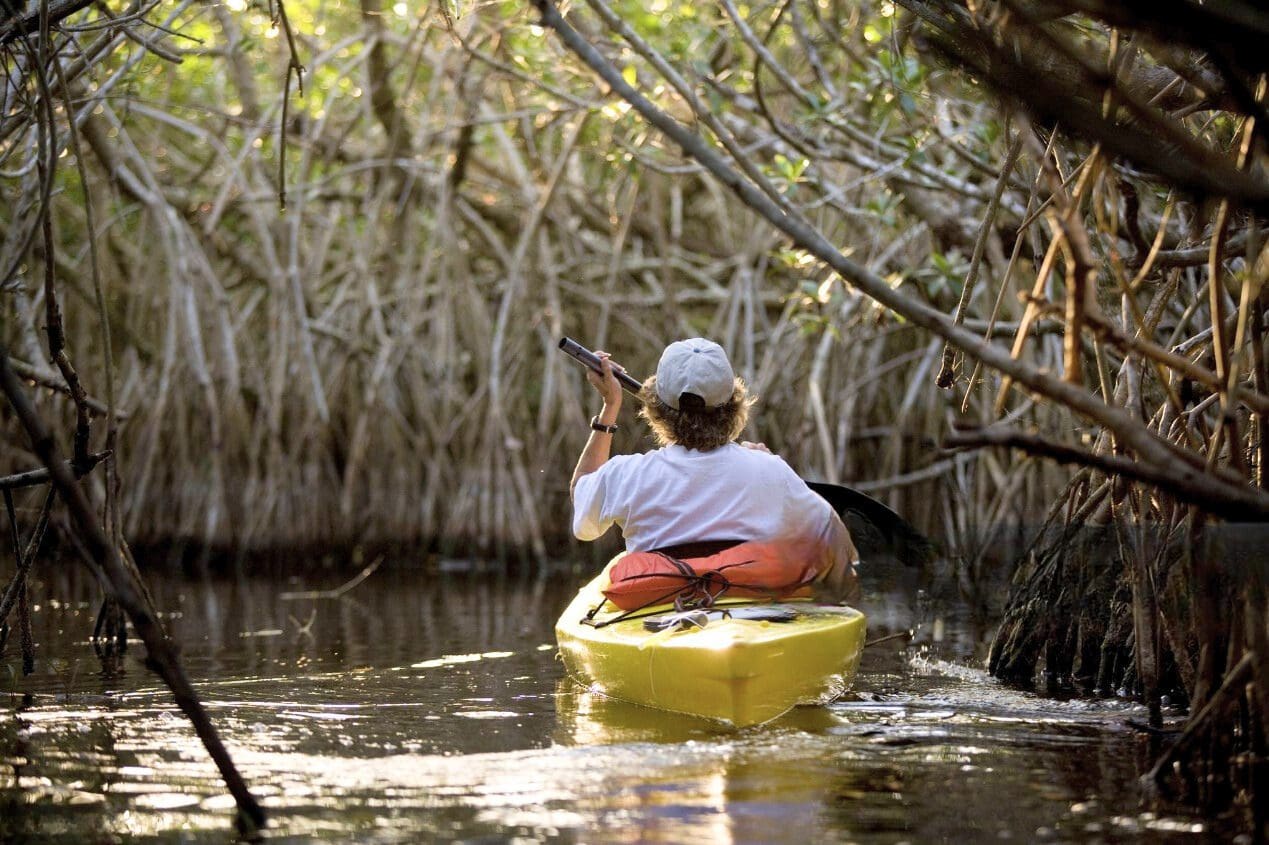
While the bioluminescence steals the spotlight, daytime visits to Manialtepec reveal equally impressive natural wonders. Kayaking through the mangrove channels offers intimate encounters with the ecosystem—you’ll paddle beneath canopies of twisted roots while iguanas bask on branches overhead and kingfishers dive for fish nearby.
For bird enthusiasts, Manialtepec is paradise. Over 300 species have been recorded here, including rare finds like the jabiru stork, boat-billed heron, and mangrove vireo. Early morning bird watching tours coincide with peak activity times when the lagoon erupts with birdsong and aerial displays.
Laguna de Chacahua: Wildlife Paradise in a National Park
Further west, approximately 65 kilometers from Puerto Escondido, lies Lagunas de Chacahua National Park—a protected area encompassing over 14,000 hectares of lagoons, mangroves, beaches, and tropical dry forest. This is one of Mexico’s most important coastal wetland systems and a designated Ramsar site of international importance.
The park consists of two main lagoons: Laguna de Chacahua and Laguna Pastoría, connected by intricate mangrove channels that create a vast aquatic labyrinth. The biodiversity here is staggering—crocodiles, caimans, river otters, four species of sea turtles, jaguars in the surrounding forest, and over 200 bird species including the magnificent frigatebird and white ibis.
Exploring Chacahua’s Ecosystems
A full-day tour to Chacahua typically includes boat rides through mangrove tunnels, wildlife spotting, visits to local fishing communities, and time on pristine beaches where the lagoon meets the ocean. The boat journey itself becomes an adventure as skilled local guides navigate narrow channels barely wider than the boat, pointing out camouflaged crocodiles and teaching visitors about traditional fishing methods still practiced by communities who’ve lived alongside these waters for generations.
The community of Zapotalito, located on an island within the lagoon system, offers authentic cultural experiences including demonstrations of traditional fishing techniques and regional cooking. Supporting these community-based tourism initiatives helps preserve both the ecological and cultural heritage of the region.
Laguna de Palmarito: The Hidden Gem
Less visited but equally spectacular, Laguna de Palmarito sits between Manialtepec and Chacahua, offering a more intimate and tranquil experience. This smaller lagoon system features pristine mangrove forests and serves as an important nesting ground for several bird species.
Palmarito is ideal for travelers seeking quieter, less crowded nature experiences. The shallow waters and calm conditions make it perfect for stand-up paddleboarding and kayaking, even for beginners. Local guides from nearby communities lead tours that focus on environmental education and conservation, sharing traditional ecological knowledge passed down through generations.
Laguna Ventanilla: Community Conservation Success
Near the town of Mazunte, about 70 kilometers from Puerto Escondido, Laguna Ventanilla represents an inspiring example of community-led conservation. This smaller lagoon and mangrove system is managed entirely by the local cooperative, which has successfully protected the area while creating sustainable tourism opportunities.
Tours here include crocodile spotting (the lagoon is home to dozens of American crocodiles), bird watching, and visits to the deer rescue center where injured animals are rehabilitated. The cooperative has also established a nursery for native tree species and conducts regular clean-up campaigns to protect water quality.
Comparing the Lagoons: Which One is Right for You?
| Lagoon | Distance from Puerto Escondido | Best For | Key Wildlife | Ideal Season |
|---|---|---|---|---|
| Manialtepec | 20 km (30 min) | Bioluminescence, kayaking, bird watching | Crocodiles, 300+ bird species, bioluminescent plankton | Nov-Mar (bioluminescence); year-round (other activities) |
| Chacahua | 65 km (1.5 hours) | Full-day adventure, pristine nature, cultural experiences | Crocodiles, caimans, sea turtles, jaguars, frigatebirds | Year-round; dry season (Nov-Apr) for easier access |
| Palmarito | 35 km (45 min) | Quiet exploration, paddleboarding, photography | Herons, egrets, mangrove crabs, crocodiles | Year-round |
| Ventanilla | 70 km (1.5 hours) | Community tourism, crocodile watching, conservation education | Crocodiles, deer, diverse birdlife | Year-round |
Essential Tips for Lagoon Exploration
Visiting these delicate ecosystems requires preparation and respect for nature. Here are essential tips for making the most of your lagoon adventures:
What to Bring
- Sun protection: Wide-brimmed hat, high-SPF reef-safe sunscreen, long-sleeved UV protection shirt
- Insect repellent: Biodegradable formula to protect both you and the ecosystem
- Waterproof bag: For phones, cameras, and valuables during boat rides
- Binoculars: Essential for bird watching and wildlife spotting
- Drinking water: Bring your own to minimize plastic waste
- Closed-toe water shoes: For wading in shallow areas with muddy bottoms
- Camera with good low-light capability: For bioluminescence photography (though it’s challenging to capture)
Safety Considerations
- Always tour with certified local guides who know the waterways and wildlife behavior
- Respect distance from crocodiles—these are wild animals and should never be approached
- Avoid swimming in areas where crocodiles are present
- Apply insect repellent before entering mangrove areas where mosquitoes are common
- Stay seated and balanced in boats and kayaks; sudden movements can tip smaller vessels
- Inform guides of any medical conditions or mobility limitations before tours begin
Environmental Responsibility
- Use only biodegradable, reef-safe sunscreens and insect repellents
- Take all trash with you—pack out everything you pack in
- Never feed wildlife or disturb nesting birds
- Stay on marked trails and designated areas to prevent habitat damage
- Choose tour operators committed to conservation and fair employment of local guides
- Support community-based tourism initiatives that reinvest in conservation
When to Visit: Seasonal Considerations
While the lagoons offer year-round beauty, timing your visit to match specific natural events or weather patterns can dramatically enhance your experience:
November to March brings cooler, drier weather and the magical bioluminescence phenomenon at Manialtepec. This is peak season for bird watching as migratory species join resident populations. The lack of rain means clearer water and easier access to all lagoons.
April to June sees rising temperatures but still relatively dry conditions. Sea turtle nesting season begins in May, and some tours combine lagoon visits with turtle conservation activities. Wildflowers bloom in surrounding forests, attracting butterflies and additional bird species.
July to October brings the rainy season with afternoon showers and higher humidity. While this makes some dirt roads challenging, the lagoons come alive with fresh water influx. This is when mangrove forests appear most vibrant, and wildlife activity peaks as animals take advantage of abundant food sources. Crocodile sightings are more frequent during nesting season (July-August).
Photography Tips for Lagoon Landscapes
The lagoons near Puerto Escondido offer spectacular photography opportunities, from sunrise reflections on glassy water to dramatic mangrove silhouettes and wildlife action shots. Here’s how to capture these moments:
- Golden hour magic: Arrive at dawn or late afternoon when soft light creates stunning reflections and illuminates birds in flight
- Polarizing filter: Cuts glare from water surfaces and reveals what’s beneath, essential for wildlife photography
- Telephoto lens: 200-400mm range for bird photography and distant crocodile shots without disturbance
- Waterproof housing: Protect gear during boat rides and unexpected splashes
- Low-light capability: Essential for bioluminescence attempts, though capturing the glow is extremely difficult
- Respect wildlife first: Never use flash near nesting birds or stress animals for photos
Combining Lagoon Tours with Other Activities
Many visitors incorporate lagoon exploration into broader adventure itineraries. Consider pairing your nature escape with complementary experiences:
Start your day with an early morning bird watching tour at Manialtepec, then spend the afternoon learning about traditional Oaxacan culture through a mezcal tour in the nearby hills. Evening brings the magical bioluminescence experience back at the lagoon.
For adventure seekers, combine a full-day Chacahua expedition with the following day’s horseback riding to hot springs, creating a perfect nature immersion experience that showcases Oaxaca’s diverse ecosystems.
Local Conservation Efforts You Can Support
The lagoons near Puerto Escondido face ongoing challenges from development pressure, water pollution, and climate change. Several grassroots organizations work tirelessly to protect these ecosystems, and visitors can contribute to their efforts:
Community cooperatives that manage lagoon tours reinvest profits into habitat restoration, water quality monitoring, and environmental education programs. By choosing these community-based operators over external companies, you directly support conservation. Many offer volunteer opportunities for visitors who want to participate in mangrove reforestation or wildlife monitoring projects.
The National Commission of Protected Natural Areas (CONANP) manages Chacahua National Park and conducts regular biodiversity surveys. Visitors can request to participate in citizen science initiatives like bird counts and water quality testing.
“We spent three days exploring different lagoons around Puerto Escondido, and each one revealed something unique. Manialtepec’s bioluminescence left us speechless—I’ve traveled to 40 countries, and I’ve never seen anything like swimming through glowing water while crocodiles lurked in the darkness. Our guide’s knowledge transformed what could have been just a boat ride into a profound lesson about ecosystem interconnectedness. The next day’s adventure to Chacahua showed us even more pristine wilderness. I can’t recommend these nature escapes enough for anyone who wants to see Mexico beyond the beach resorts.” – Rachel K., wildlife photographer from Canada
Frequently Asked Questions
Is it safe to swim in the lagoons with crocodiles present?
Swimming is generally not recommended in lagoons where crocodiles are known to inhabit, particularly in Manialtepec and Chacahua. However, for the bioluminescence experience at Manialtepec, guided tours take you to specific areas that have been deemed safer for brief swimming, and guides constantly monitor the surroundings. Always follow your guide’s instructions and never swim alone or in unmarked areas. The crocodiles are wild animals and deserve respectful distance at all times.
When is the best time to see bioluminescence at Manialtepec?
Bioluminescence is most visible during the darkest nights, typically November through March when there’s a new moon phase. The phenomenon is caused by dinoflagellates that emit light when disturbed, but their glow is only visible in complete darkness. Tours are scheduled around lunar cycles, avoiding full moon periods. Water temperature and recent rainfall also affect intensity—warmer water and calm conditions after several dry days tend to produce the brightest displays.
How physically demanding are lagoon tours?
Physical requirements vary by tour type. Boat tours through mangroves require minimal physical effort—you simply sit and enjoy the ride. Kayaking tours involve 1-3 hours of paddling through generally calm waters and are suitable for beginners, though some upper body strength and basic balance helps. Walking portions at Chacahua involve sandy trails and can be moderately challenging in heat. Most tour operators can accommodate different fitness levels with advance notice and can suggest the best options for your abilities.
What’s the difference between Manialtepec and Chacahua lagoons?
Manialtepec is closer to Puerto Escondido (20km vs 65km), more accessible for half-day trips, and famous for bioluminescence. It’s smaller and easier to explore quickly. Chacahua is a much larger national park with more extensive mangrove systems, greater biodiversity, and more remote wilderness character. Chacahua requires a full day but offers pristine beaches where the lagoon meets the ocean, deeper wilderness penetration, and stronger community cultural experiences. Most visitors try to experience both during their stay.
Can children participate in lagoon tours?
Yes, lagoon tours are generally family-friendly, though age recommendations vary by activity type. Boat tours through mangroves are suitable for all ages, as children find the wildlife sightings exciting. Kayaking tours typically require children to be at least 8-10 years old and comfortable in water. Bioluminescence tours that involve swimming are best for children 12+ who are strong swimmers and can follow safety instructions in dark water. Always inform tour operators of children’s ages when booking so they can recommend the most appropriate experiences and ensure proper safety equipment.
Are the lagoons affected by ocean tides?
Yes, all coastal lagoons near Puerto Escondido have connections to the ocean and experience tidal influence, though it varies by location and season. Manialtepec has a tidal inlet that opens and closes seasonally, creating brackish water conditions. Chacahua has more direct ocean connections, resulting in stronger tidal flows. These tidal changes affect water levels, wildlife behavior, and access to certain areas. Experienced guides time tours to take advantage of optimal tide conditions—higher tides for accessing shallow channels, lower tides for bird watching on exposed mudflats.
Conclusion: Nature’s Masterpiece Awaits
The lagoons near Puerto Escondido represent some of Mexico’s most pristine coastal ecosystems—living laboratories where mangroves, wildlife, and traditional communities coexist in delicate balance. Whether you’re watching crocodiles glide through mirror-calm waters at sunrise, kayaking through tunnel-like mangrove corridors alive with birdsong, or experiencing the ethereal magic of bioluminescence under a moonless sky, these wetlands offer profound connections to the natural world.
Beyond their immediate beauty, these lagoons serve critical ecological functions—protecting coastlines from storms, filtering water, providing nurseries for fish that sustain local economies, and sequestering carbon at rates that rival tropical rainforests. By visiting responsibly and supporting community-based conservation tourism, you contribute to their protection while creating memories that last a lifetime.
The question isn’t whether to explore these natural wonders, but how many different lagoons you can experience during your stay in Puerto Escondido. Each one reveals different facets of Oaxaca’s coastal wilderness, and together they tell the story of an ecosystem worth protecting for generations to come.
Information Disclaimer: Environmental conditions, wildlife sightings, and access to natural areas may change due to weather, conservation regulations, or seasonal variations. Please confirm current conditions, tour availability, and safety requirements before booking. For official information regarding protected areas and environmental regulations, consult SEMARNAT (Mexico’s Secretary of Environment and Natural Resources) or CONANP (National Commission of Protected Natural Areas).
For tour reservations and personalized recommendations, visit our adventures page or contact our local team who can help design the perfect lagoon exploration itinerary for your interests and schedule.
Follow us for daily nature photography, conservation updates, and travel inspiration:
- Facebook: facebook.com/puertoescmx
- Instagram: @puerto_escondido_mx
- TikTok: @puerto_escondido_pmx
Additional information about Puerto Escondido’s natural attractions and tourism infrastructure is available through Oaxaca’s official tourism portal.

