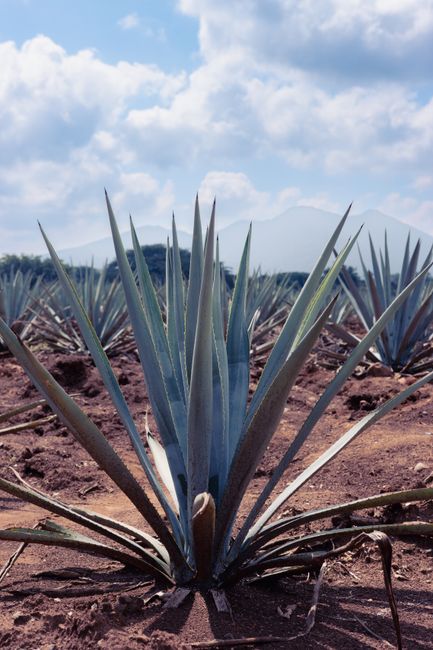
Mezcal Distillery Day Trip from Puerto Escondido: Santiago Matatlán & Beyond
Mezcal Distillery Day Trip from Puerto Escondido: Santiago Matatlán & Beyond
A mezcal distillery day trip is the single best way to understand what's actually in the bottle before you buy it back in Puerto Escondido. Roughly three hours inland, the hills around Santiago Matatlán — self-declared "World Capital of Mezcal" — hold dozens of small family palenques still cooking agave in earthen pits and crushing it under stone wheels pulled by mules. This guide covers the actual route, what happens at a working distillery, which villages beyond Matatlán are worth the extra hour, and how to plan the trip yourself or book it as a tour.

Why Santiago Matatlán Is the Trip to Make
Matatlán earns the "capital" title honestly — it's estimated that a majority of Oaxaca's registered mezcal producers operate within a short drive of the town, most of them tiny operations that sell almost everything locally rather than exporting. That's the whole appeal of the trip: you're not touring a bottling plant, you're standing next to a wood fire that a family has kept running the same way for three generations. If you'd rather taste the results without doing the driving yourself, our Mezcal Tour covers the same region with a driver and a guide who already knows which palenques are worth the stop.

What Actually Happens at a Working Palenque

Every palenque visit follows roughly the same four stages, and seeing all four back to back is what makes the trip worth the drive:
- Roasting. Harvested agave hearts (piñas) go into an underground pit lined with volcanic rock and burning wood, then get covered with earth and left to roast for three to five days — this is where the smoky character comes from, and it's the step tequila skips entirely.
- Crushing. The roasted piñas are shredded under a massive stone wheel (tahona), traditionally pulled in slow circles by a mule, though diesel-powered wheels are common now too.
- Fermentation. The crushed fibers and juice ferment in open wooden vats for several days using wild airborne yeast — no two palenques' vats taste quite the same.
- Distillation. The fermented mash is double-distilled in copper or clay pot stills, and the maestro mezcalero tastes the stream as it runs to decide exactly where to cut the "heads" and "tails" from the drinkable "heart" of the batch.
Most family operations will pour a taste straight from that day's batch and explain the difference between espadín (the workhorse agave, ready in six to eight years) and rarer wild varieties like tobalá or tepeztate, which can take 15–25 years to mature and cost far more per bottle. Our mezcal tasting how-to guide is worth a read before you go so you're not just nodding along.
Planning the Route: Self-Drive vs. Tour
Santiago Matatlán sits roughly 25 minutes past Mitla on the highway east of Oaxaca City, which itself is about a 6–7 hour drive or a short domestic flight from Puerto Escondido. In practice, that means this is a two-day trip from the coast, not a single long day: fly or drive to Oaxaca City, base yourself there, and give the mezcal route its own full day.
| Option | Best For | Trade-off |
|---|---|---|
| Self-drive rental car | Flexibility to stop at unmarked roadside palenques | You'll be tasting 40–80 proof spirit and then driving — someone has to stay sober |
| Guided small-group tour | First-timers who want context, translation and vetted stops | Fixed schedule, less improvisation |
| Private driver + guide | Groups wanting a custom mix of palenques and pace | Costs more than a shared tour |
Beyond Matatlán: Villages Worth the Extra Hour

Matatlán is the obvious first stop, but the surrounding villages each have a distinct reputation:
- Tlacolula. Home to one of Oaxaca's biggest weekly markets (Sundays) — combine it with a morning palenque stop and you get the market and the mezcal in one loop.
- San Baltazar Guelavila. A quieter village known for small-batch producers who rarely see foreign visitors — a good pick if you want to avoid the more tour-bus-heavy stops.
- Santa Catarina Minas. Known specifically for clay pot distillation rather than copper stills, which gives the mezcal a noticeably different, earthier finish.
- San Dionisio Ocotepec. Worth the detour if a specific producer or brand you already like traces back here — ask before you go, since not every palenque takes walk-in visitors.
If you'd rather taste local mezcal without leaving the coast first, our guide to mezcal bars in Puerto Escondido is a good way to figure out which styles you actually like before committing a full day to the distillery route.
Practical Tips for the Trip
- Eat before you taste. Palenque visits often involve five or six small pours across a morning — pace yourself and eat a real breakfast first.
- Bring cash. Most family-run palenques don't take cards, and prices are often genuinely lower than what the same bottle costs in a shop.
- Ask before photographing workers. A quick "¿puedo tomar una foto?" goes a long way — many families are happy to explain the process but appreciate being asked first.
- Check the NOM and denomination of origin. Mezcal produced within the officially protected region carries a NOM number confirming it's genuine, an important detail if you're buying to bring home. The Wikipedia overview of mezcal is a solid primer on the denomination-of-origin rules before you shop.
FAQ: Mezcal Distillery Day Trips
How far is Santiago Matatlán from Puerto Escondido?
Matatlán is close to Oaxaca City, which is roughly 6–7 hours by road from Puerto Escondido or about a 40-minute flight — most visitors treat the mezcal route as a separate day trip once they're based in Oaxaca City rather than a direct day trip from the coast.
Do I need to book a tour, or can I visit palenques on my own?
Both work. Self-driving gives more flexibility to stop at unmarked roadside distilleries, while a guided tour is better if you want context, translation, and a route someone has already vetted — and it solves the "who stays sober to drive" problem.
Is it safe to drink mezcal straight from the still?
Yes — what's served during a tasting is the finished, distilled product, typically 45–50% ABV, not the raw fermented mash. Pace yourself since pours add up quickly across several stops.
What's the difference between mezcal and tequila?
Tequila is made only from blue Weber agave and is typically steam-roasted, while mezcal can be made from dozens of agave varieties and is traditionally roasted underground in wood-fired pits, which is where its smoky flavor comes from.
Can I bring mezcal home in checked luggage?
Generally yes, wrapped and packed in checked baggage, subject to your airline's alcohol limits and your home country's duty-free allowance — check both before buying multiple bottles.
Ready to taste the real thing without renting a car? Browse our guide to things to do in Puerto Escondido for more day-trip ideas from the coast.
auto_awesomeContinue exploring Puerto Escondido
You Might Also Like
 articleAdventurescalendar_todayMar 9, 2026
Best Restaurants in Puerto Escondido: Complete Foodie Guide
Puerto Escondido is far more than a surfer’s paradise — it’s quietly becoming one of the most exciting food destinations
 calendar_todayOct 25, 2026
La Punta in One Day: From Breakfast to Night
What to do in La Punta, Puerto Escondido, in one day: a walking route from morning surf and breakfast to sunset at the p
 calendar_todayAug 21, 2026
San Agustinillo: The Complete Beach and Restaurant Guide
Everything you need to know about San Agustinillo, Oaxaca: getting there, what the surf beach is like, the best beachfro