Puerto Escondido vs Acapulco: Why the Oaxacan Coast Won
Acapulco was for a long time the symbol of Mexican vacation glamour. A place where Mexico learned to dream by the sea — where Hollywood stars arrived by seaplane, where cliff divers defied gravity before international audiences, where the idea of the Mexican Pacific resort was invented. You cannot talk honestly about this coastline without acknowledging that history.
But tourism changes. Destinations rise, fall, and sometimes reinvent themselves. Over the past two decades, as Acapulco worked through a series of difficult crises, a fishing village on the Oaxacan coast was quietly building a reputation that today draws surfers, wildlife lovers, food obsessives, and travelers from around the world.
This isn't a comparison where one side wins easily. It's an honest guide to help you understand what each destination actually offers today — and which one makes sense for which kind of traveler.
Quick Comparison
| Category | Puerto Escondido | Acapulco |
|---|---|---|
| Tourist safety | High in tourist areas | Variable — safe zones exist |
| Beaches | Wild, clean, varied | Grand bay, variable quality |
| Surfing | World-class | Limited |
| Nature and wildlife | Exceptional | Limited near tourist zone |
| Food | Oaxacan coastal cuisine | Guerrero coastal cuisine |
| Price | Affordable | Very cheap |
| Access from Mexico City | Flight or 12+ hours | 4–5 hours by road |
| Tourism infrastructure | Actively growing | In recovery |
| Cultural icon | Zicatela wave | La Quebrada cliff divers |
Acapulco's Legacy: A Genuinely Glamorous History
To understand Acapulco's present, you have to understand what it was. In the 1950s and 1960s, Acapulco was the most sophisticated beach destination in the Western Hemisphere. John Wayne had a house there. Frank Sinatra, Cary Grant, and Elizabeth Taylor came regularly. The Beatles spent days in the bay. President John F. Kennedy honeymooned there. The Mexican government invested heavily to turn the city into a tourism jewel that projected the image of a modern, cosmopolitan Mexico.

The La Quebrada cliff divers — who still perform multiple times daily — are the most enduring symbol of that era. Launching from 35 meters into a narrow rocky channel, timing the jump precisely to catch the incoming wave surge for enough water depth: it's one of the most extraordinary traditions in Mexican tourism, active since 1934.
The decline came from multiple factors that accumulated over decades: uncontrolled urban growth, severe inequality, and from the 2000s onward, the growing presence of organized crime in parts of the city. By 2010, Acapulco was regularly appearing on lists of the world's most violent cities — a statistic reflecting a complex local reality that severely damaged its international image regardless of how geographically concentrated the violence was.

Hurricane Otis and Acapulco's Recovery
In October 2023, Hurricane Otis made landfall at Acapulco as a Category 5 storm with 270 km/h winds — the strongest Eastern Pacific hurricane ever to make landfall on record. The damage was devastating: tens of thousands of buildings damaged or destroyed, the tourist infrastructure of the Costera and Condesa zones largely wiped out, and a death toll that exceeded fifty people.
The recovery has been real but uneven. By mid-2026, the main tourist zones have been partially restored. Many large hotels have reopened, some beachfront properties in Condesa and Icacos are operational again, and both the Guerrero state government and the federal government have committed reconstruction investment. But it would not be honest to say Acapulco has returned to what it was: recovery is a process of years, not months, and many parts of the city still show visible damage.
For the international traveler considering Acapulco today, the most important question isn't whether there are things to see and do — there are. It's whether the service ecosystem, facility quality, and general security context in the tourist zones meet expectations. The honest answer in 2026: in the main hotel zones, yes, with nuance. Outside those zones, it requires more discernment.
Safety: The Conversation That Has to Happen
The safety topic deserves direct treatment — neither sensationalized nor minimized.
Acapulco: The city has a complex, geographically heterogeneous security reality. The main tourist zones — the Costera strip, Condesa, Icacos, La Quebrada — have historically had relatively acceptable safety levels for tourists, with security forces oriented toward visitors. The violence problems have primarily affected peripheral neighborhoods and have been connected to conflicts between local criminal organizations, not tourists. That said, the city's overall context is complex and conditions can change. The U.S. State Department maintains active travel advisories for the state of Guerrero. Traveling to Acapulco with judgment — hotel zone, established transportation, not venturing into unknown areas at night — is reasonably manageable for many travelers, but requires more due diligence than most beach destinations.
Puerto Escondido: Consistently rated among Mexico's safest beach destinations for international tourism. Incidents affecting tourists are rare, police presence in tourist areas is visible, and the local community has a direct stake in maintaining that reputation. Our Puerto Escondido safety guide covers this in depth with current information.
Beaches: Grand Bay vs. Wild Coast
The beaches of the two destinations are fundamentally different in character, and that difference says a lot about what kind of experience each traveler is seeking.
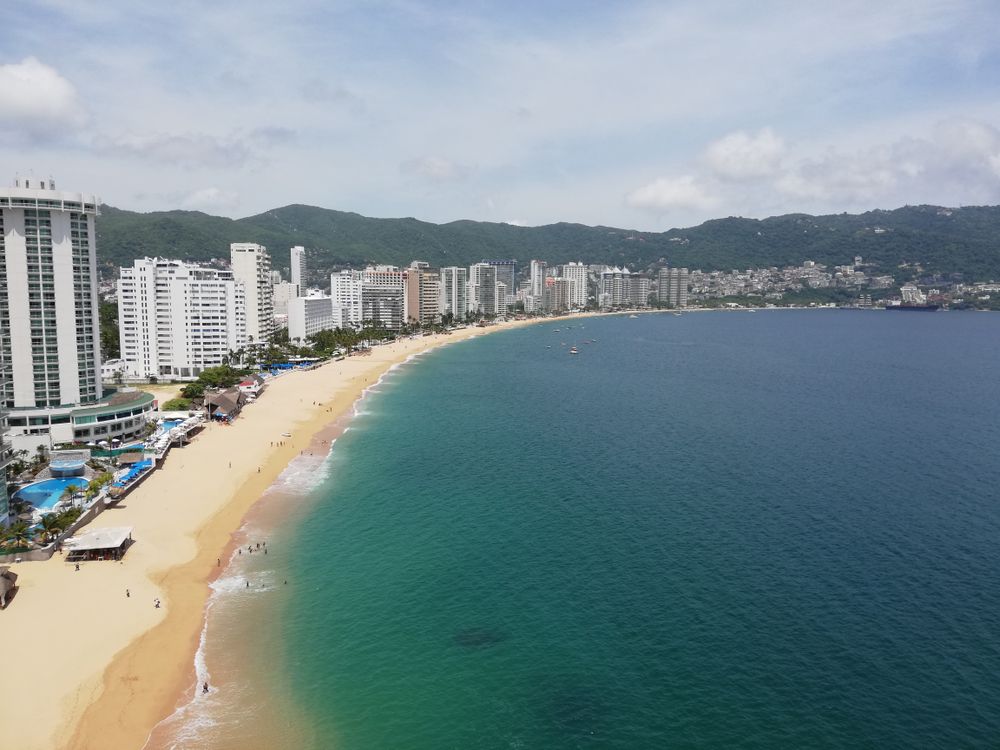
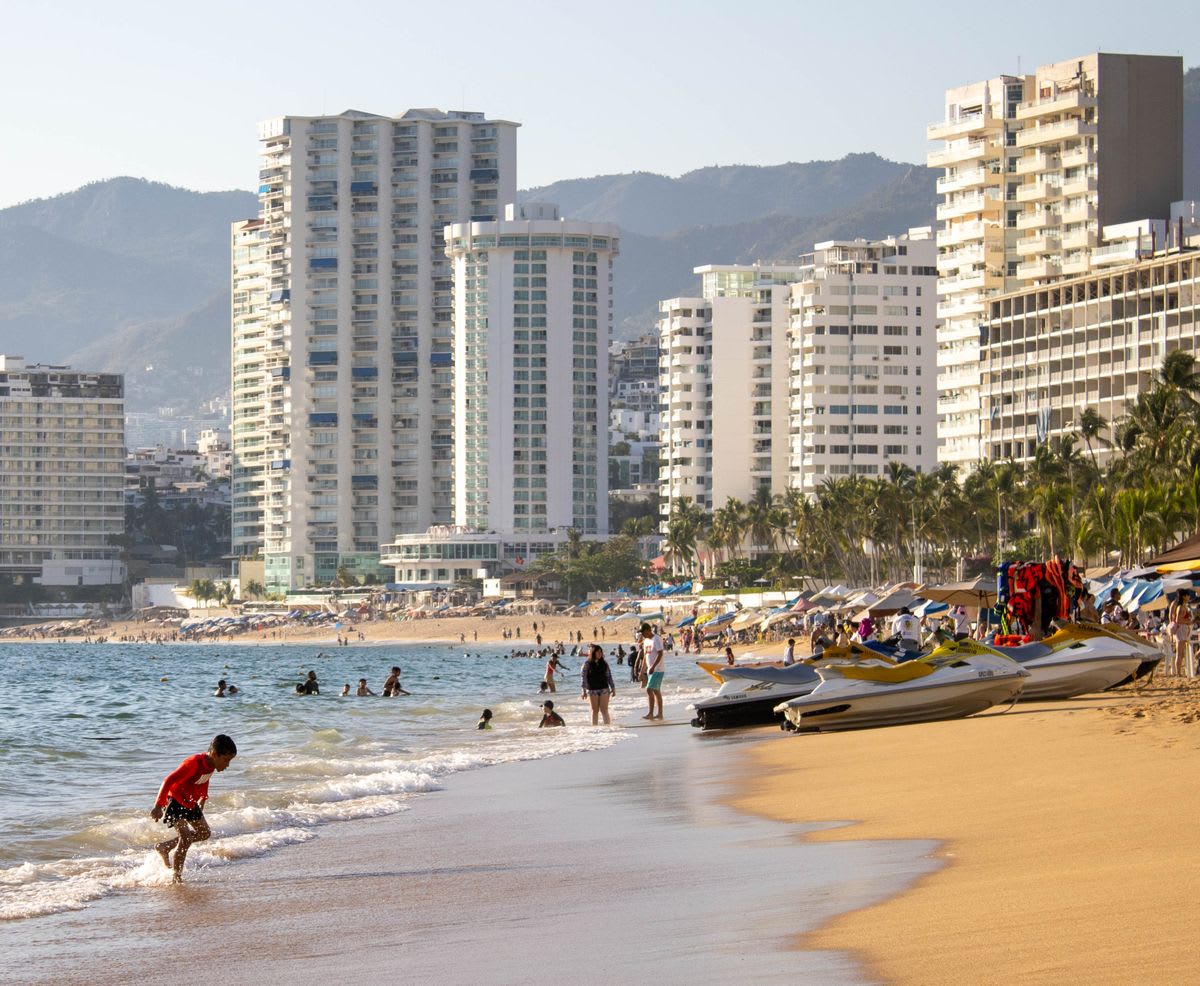
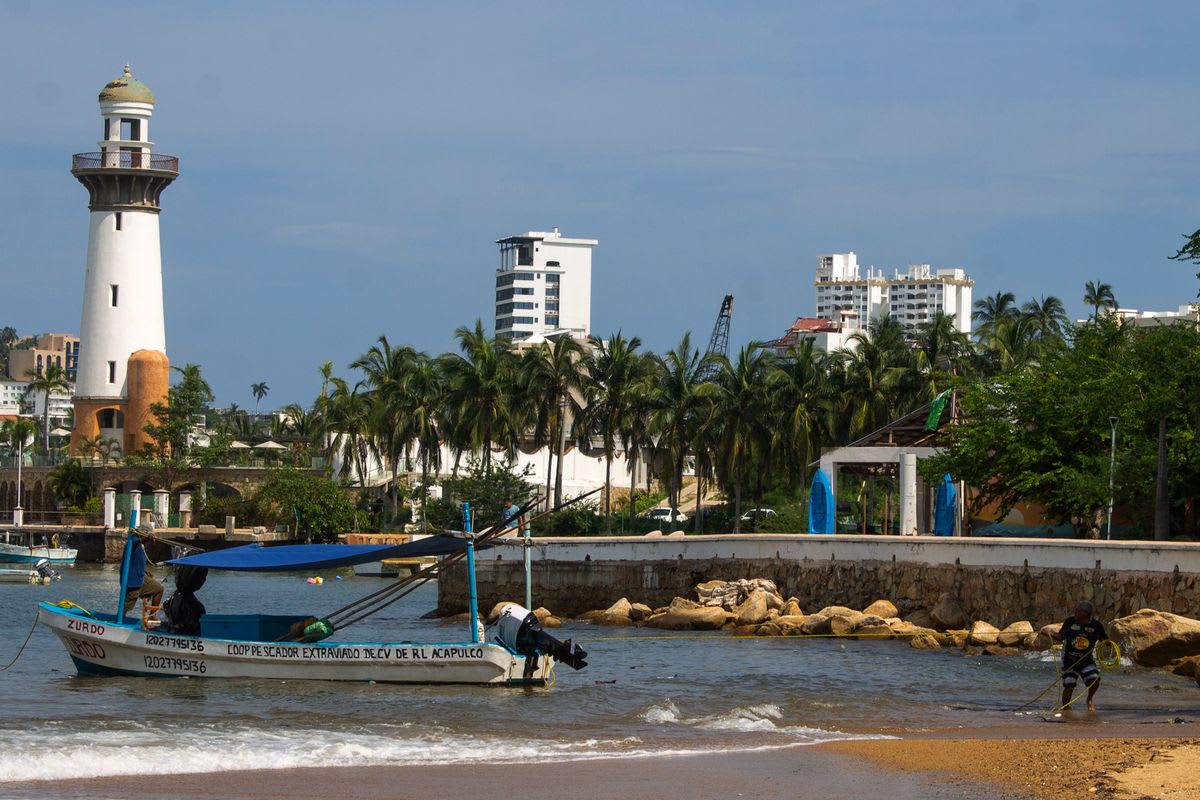
Acapulco Bay is spectacular in scale: an 11-kilometer arc with the mountains and city skyline as backdrop. The main beaches — Condesa, Icacos — have the infrastructure typical of an urban resort: sun umbrellas, vendors, music. La Roqueta is a small island accessible by boat with calmer water, popular for snorkeling. Further northwest, Pie de la Cuesta is a thin sand spit where the Coyuca Lagoon is separated from the open ocean by a sliver of beach — a wilder landscape that contrasts with the city. Water quality at Acapulco's urban beaches has historically been variable, with contamination episodes leading to occasional closures.
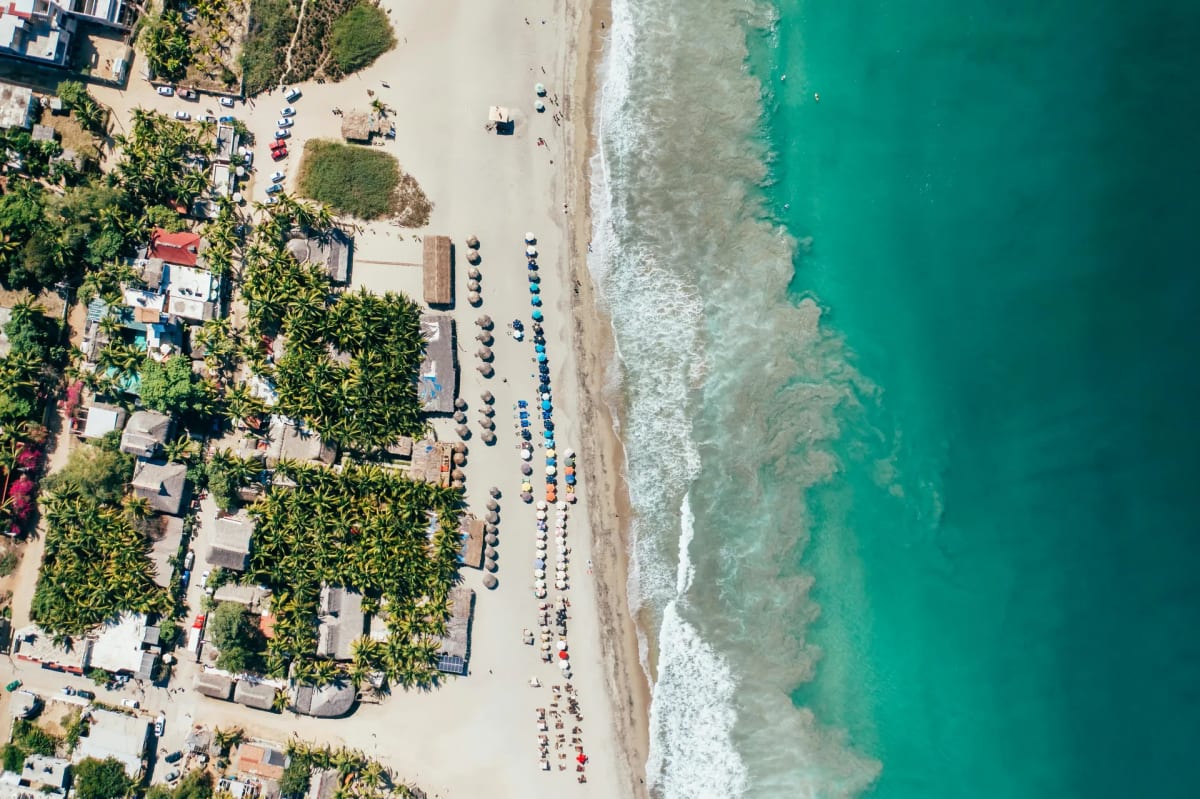
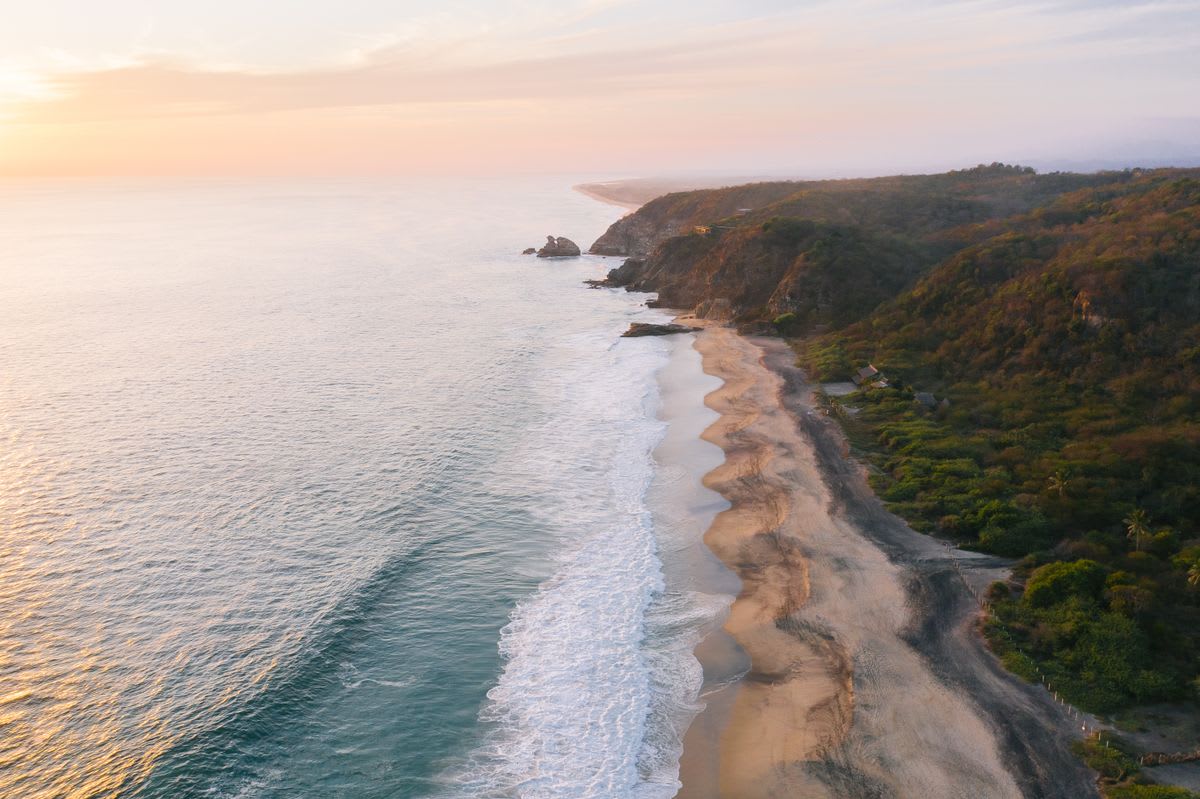
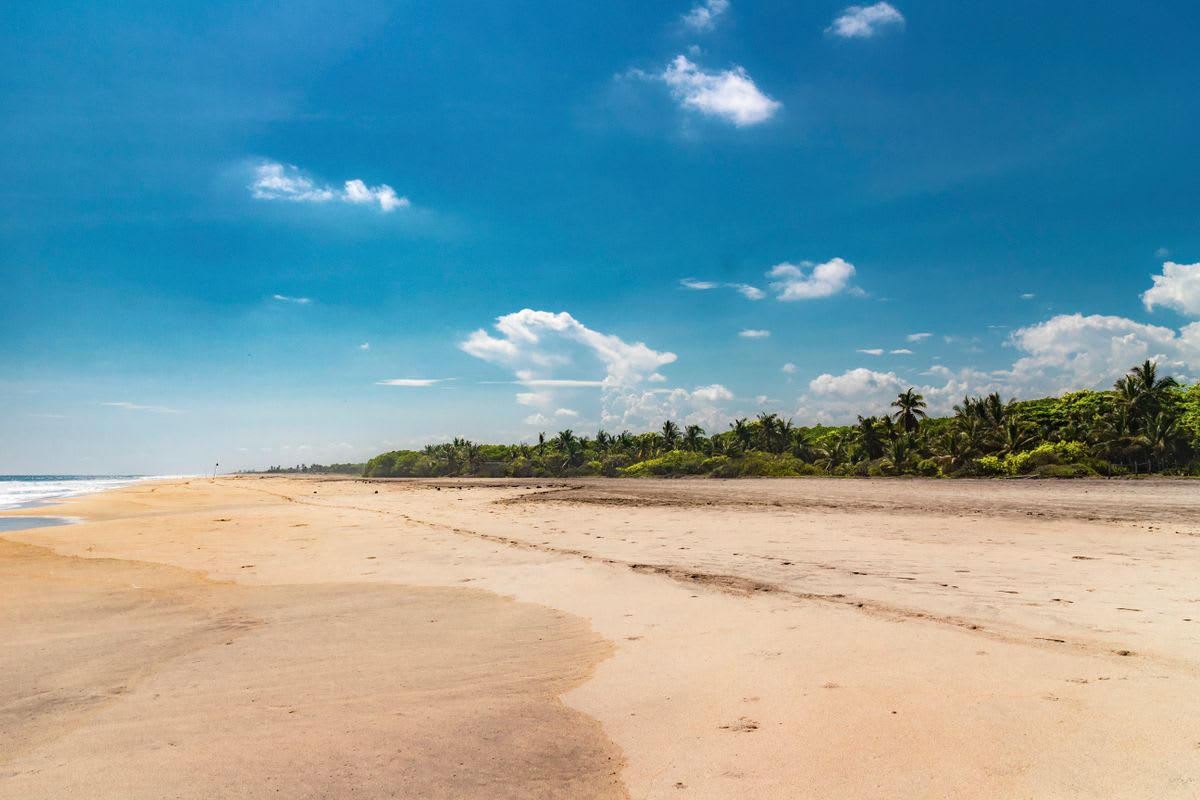
Puerto Escondido's beaches are a different world. Zicatela, Carrizalillo, La Punta, Bacocho, Barra de Navidad — each has its own personality. Carrizalillo is a sheltered cove with perfect turquoise water ideal for swimming; Zicatela is an open beach with savage waves that turns watching surfers into a spectacle in itself; La Punta has an easy village vibe. The water is clean, the currents are serious (flag warnings must be respected), and the scenery is of a coast without large urban developments on the horizon.
Surfing: No Contest
Puerto Escondido is one of the most important surf destinations on the planet. Zicatela hosts the Puerto Escondido Challenge, a WSL World Surf League event, and the "Mexican Pipeline" wave — a hollow sand-bottom barrel that can reach 20–25 feet — is one of the most photographed and respected waves in the world. There are waves for every level: from the gentle rollers at La Punta to the monsters at Zicatela.
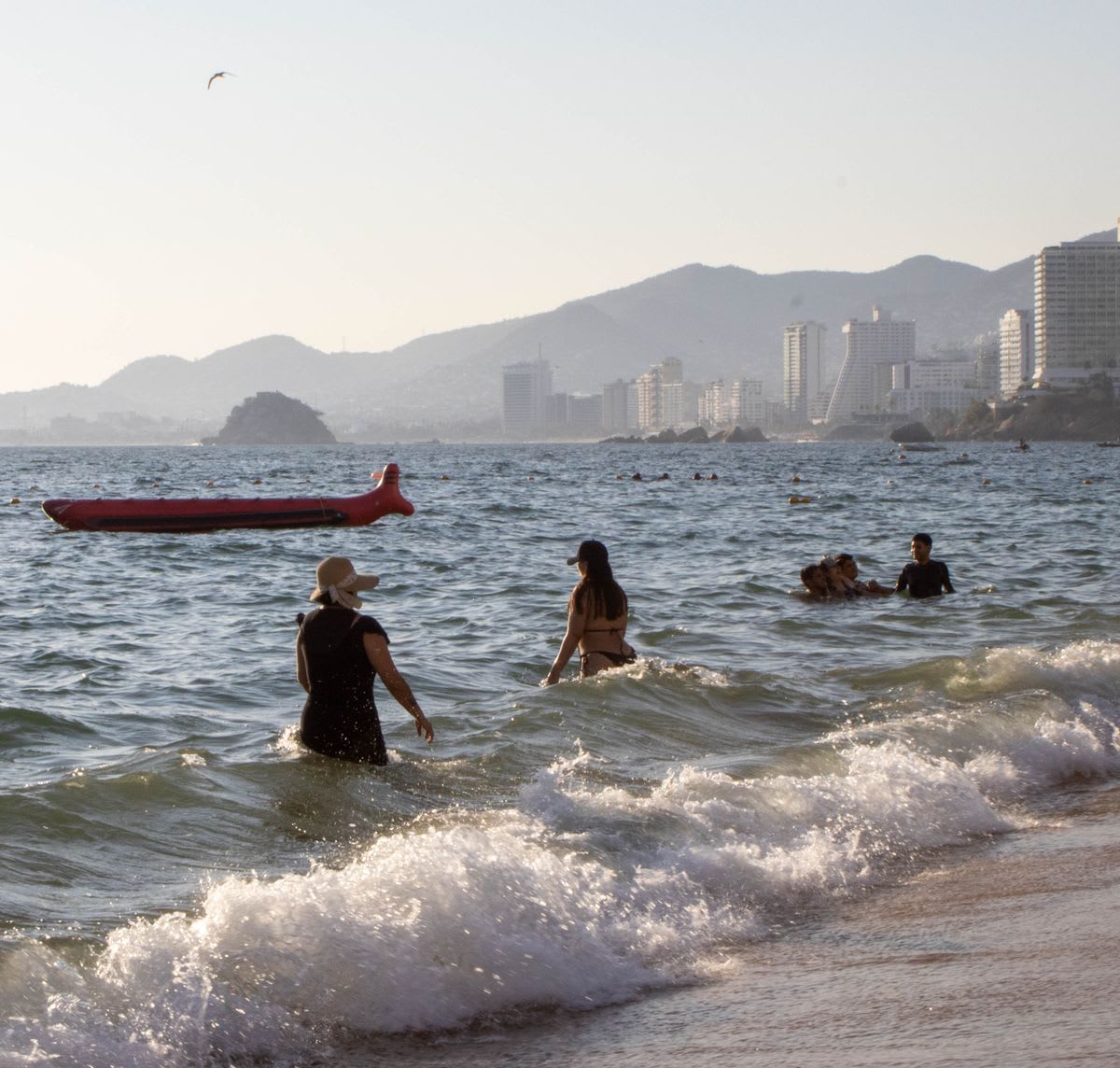
Acapulco has swell, but no surf spot that approaches that caliber. The bay is sheltered and wave conditions simply aren't comparable. If surfing is an important part of your trip, Puerto Escondido is the answer without discussion.

Nature and Wildlife: The Defining Difference
This may be the single factor that most separates the two destinations today. Puerto Escondido is surrounded by extraordinary ecosystems that make nature a core part of the experience — not an optional day trip.
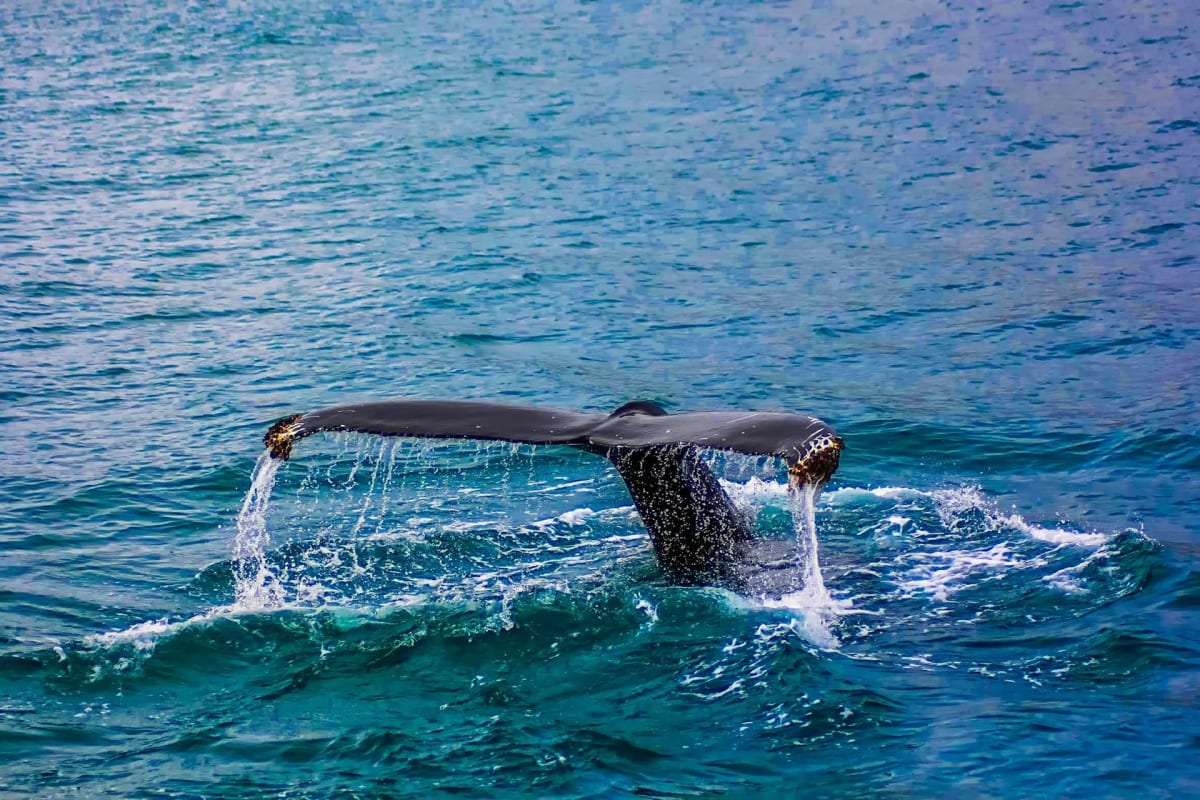
Chacahua Lagoon, 60 kilometers west, is a national park with mangroves, bioluminescent lagoons, and nesting beaches for Olive Ridley sea turtles between July and December. Manialtepec Lagoon, 14 kilometers away, is one of the best birdwatching spots on the Pacific coast. From November through March, the waters off the coast are a migration corridor for humpback whales, accessible on whale watching tours departing from the port. New moon nights in dry season offer bioluminescence in the lagoons.
Acapulco, as a city of more than 700,000 people, has less nature offering in its immediate surroundings. There are excursions to natural areas of Guerrero state, but they don't form the same central part of the destination's proposition.

Food: Two Pacific Traditions Worth Knowing
On food, there is real merit on both sides — and it's worth acknowledging it.
Acapulco has a genuine Guerrero coastal cuisine with dishes you won't find anywhere else. Guerrero-style pozole — whether the green or red version of this hominy corn soup, made here with tomatillo and local herbs — is distinct from the central Mexican version and worth seeking out at the Mercado Central. Cazón fish tacos, garlic butter fish, and shrimp ceviche at the Costera restaurants are genuine and cheap. The Pacific influence is direct in the local kitchen.
Puerto Escondido has the advantage of Oaxacan coastal cooking, which combines two of Mexico's richest culinary traditions: Oaxacan gastronomy (moles, tlayudas, mezcal, chocolate) with the Pacific's seafood bounty. A breakfast of chilaquiles with black mole before the beach, grilled octopus with mojo after surfing, an artisanal mezcal at sunset on La Punta — the food proposition is hard to match.
We call this category a draw with different styles. If what you want is cheap, abundant Mexican coastal cooking, Acapulco delivers well. If you want gastronomic depth, Puerto Escondido has the Oaxacan advantage.
Accessibility: Acapulco's Real Advantage
Here Acapulco has a genuine advantage that's honest to acknowledge. From Mexico City, Acapulco is 4–5 hours by toll highway — the Autopista del Sol covers the fastest route. Luxury buses run hourly from the Taxqueña terminal at competitive prices. For the millions of Mexicans living in central Mexico, Acapulco is simply the most accessible sea. That's the reason domestic tourism continues to be the destination's primary lifeblood.
Puerto Escondido is further from almost everything. The fastest option for most international travelers is a direct flight from Mexico City (50–60 minutes) or from Oaxaca City. By road, it's 10–12 hours from the capital by bus or car — a beautiful but long mountain route. Our guide to getting to Puerto Escondido covers all options in detail.
Price: Affordable vs. Very Cheap
Both destinations are accessible by international standards, but there are real differences.
Acapulco is today one of Mexico's cheapest beach destinations. The combination of post-Otis reconstruction and lingering security perceptions has pushed prices down. A decent hotel in the tourist zone can cost $40–60 USD per night; a good seafood restaurant on the Costera, $8–12 per person. Local transport is very cheap — combis run the full length of the Costera for a few pesos.
Puerto Escondido is affordable but somewhat more expensive. International tourism growth has pushed prices up over the past five years, especially in high season (November–March). A quality hostel costs $20–35 USD; a bungalow or boutique hotel, $60–120. Food at local spots remains very cheap — a tlayuda or smoked marlin taco rarely exceeds $5. For detailed budget management, our Puerto Escondido on a budget guide covers everything.
Tourism Infrastructure: Two Different Trajectories
Perhaps the most significant difference between the two destinations in 2026 is the direction their tourism infrastructure is pointing.
Puerto Escondido is in an active building moment: new boutique hotels, restaurants with serious culinary propositions, specialized tour operators, better airport connectivity. Investment is arriving from local capital, Mexican entrepreneurs from the interior, and international sources. The result is a steady improvement in offer quality without the destination having yet lost its authentic character — though that balance is always under tension.
Acapulco is in a different process: post-Otis reconstruction combined with an attempt to reposition a destination that already had challenges before the hurricane. There is real investment, hotels have reopened, and Mexicans continue to visit and enjoy the city. But the tourism ecosystem is far from where it was at its best, and there is genuine uncertainty about the timeline to full recovery.

Who Still Visits Acapulco and Why
It would be inaccurate to present Acapulco as an abandoned destination. Mexican domestic tourism continues to sustain it, and there are understandable reasons for that.
For families from Mexico City, Puebla, or Cuernavaca, Acapulco remains the nearest and cheapest sea. For those with emotional or family connections to the city, returning has a meaning no comparison guide can measure. For the nostalgia traveler who wants to see the La Quebrada cliff divers, visit the Fort of San Diego, or sit in one of the classic Costera restaurants, the visit still has genuine purpose. And for the very budget-conscious traveler who wants sun and sea for a week, Acapulco's current prices are hard to match anywhere else on the Mexican coast.
The Honest Verdict
If you're an international traveler looking for your first Mexican Pacific experience in 2026, Puerto Escondido is the stronger choice. You get more nature, better surfing, more consistent safety, a more interesting food scene, and a destination with genuine momentum. It's harder to reach, but the effort justifies itself.
If you're Mexican, live in central Mexico, and are looking for affordable long-weekend beach access, Acapulco remains a reasonable option if you stick to the established tourist zones, do your current research on the destination's state, and adjust expectations to what the city is today — not what it was at its peak.
For anyone with time and an interest in understanding the Mexican Pacific in depth: both destinations together tell a complete story about how Mexico has lived its relationship with the sea. Acapulco shows you where it came from. Puerto Escondido shows you where the journey is going.
To start planning your Puerto Escondido visit, our 4-day itinerary is a solid foundation, and our guide to Puerto Escondido beyond surfing covers everything the destination offers outside the water. You can also browse all tours and excursions to start building your itinerary.