Puerto Escondido vs Puerto Vallarta: Which Is Right for You?
Mexico has two Pacific coasts that have almost nothing in common. Puerto Vallarta, in Jalisco, is one of the most developed tourist destinations in Latin America: top-tier infrastructure, direct flights from dozens of North American cities, an extensive hotel zone, established nightlife. Puerto Escondido, in Oaxaca, is the other side: a coastal town that spent decades as a surfers' secret, that has grown organically without completely losing its character, and where the coastline hasn't been tamed.
Neither is "better." They're destinations for different kinds of travelers. This comparison isn't going to tell you that Puerto Escondido is authentic and Puerto Vallarta is a tourist trap — that would be reductive and unfair. What it will do is help you understand which one fits what you're actually looking for when you travel.
At a glance: comparison table
| Category | Puerto Escondido | Puerto Vallarta |
|---|---|---|
| Vibe | Relaxed, authentic coastal town | International tourist destination |
| Beaches | Wild, strong surf, secret coves | Calm bays, gentle swimming water |
| Surf | World-class (Zicatela) | Almost none |
| Food | Oaxacan coastal cuisine, markets | Wide selection, tourist-oriented |
| Nightlife | Low-key bars and mezcalerías | Active, international clubs, LGBTQ+ scene |
| Price | Significantly cheaper | More expensive, comparable to Cancún |
| Accessibility | Small airport, more effort to reach | Major airport, direct US/Canada flights |
| Crowds | Moderate in high season | High year-round |
| Best for | Surf, nature, budget, food, nomads | Families, first Mexico visit, nightlife, comfort |

The beaches: calm versus wild
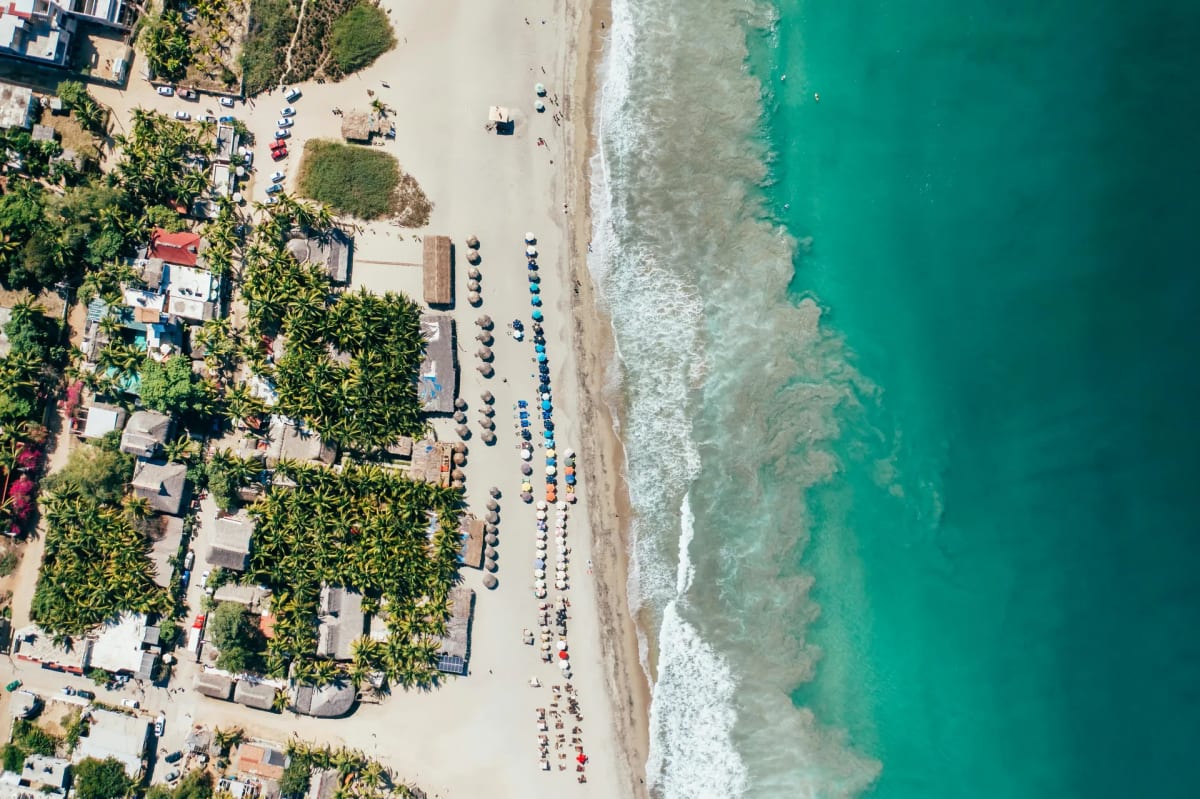
This is arguably the most immediate difference. Puerto Vallarta sits inside Banderas Bay, one of the largest bays on the Mexican Pacific. That means relatively sheltered water, especially at beaches like Playa Los Muertos or the Hotel Zone: you can swim without the ocean giving you a fright, kids can wade in without an adult glued to them, and swimming out a hundred meters without getting swept by a current is perfectly normal.
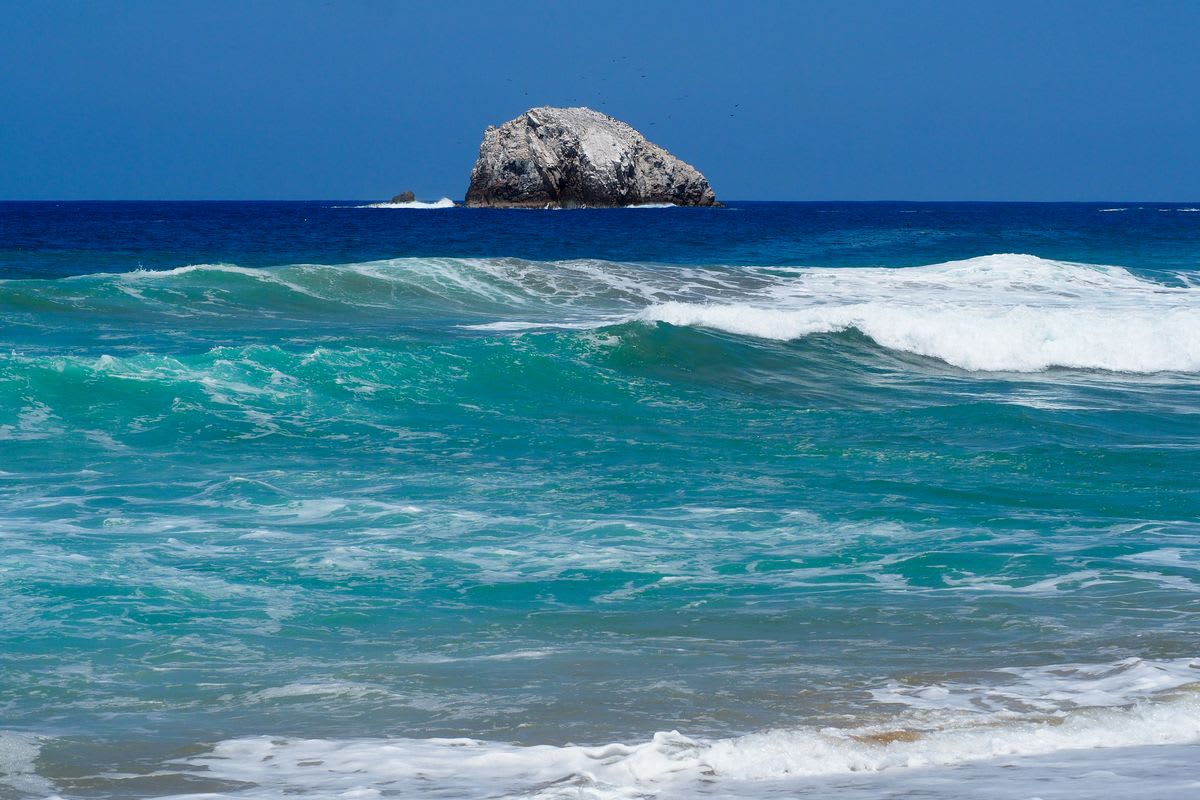
Puerto Escondido has no bay. It faces the open Pacific directly: Zicatela receives some of the most powerful swell on the planet, with waves that can exceed 20 feet during peak season. Even the calmer town beaches — La Punta, Marinero — have currents and shore-break that demand respect. The most sheltered coves like Carrizalillo or Puerto Angelito involve a short walk or a water taxi, but they're worth it.
For swimming with young children without complications, Puerto Vallarta wins easily. For those who want wild coastal scenery, semi-virgin coves, and the energy of an ocean that hasn't been managed into submission, Puerto Escondido is unmatched.

Surf: no comparison
If surfing is a priority, the decision is made before reading further: Puerto Escondido. Zicatela is one of the most famous sand-bottom breaks in the world, known among professional surfers as "the Mexican Pipeline." The World Surf League has held multiple editions of the Puerto Escondido Challenge here. Even if you don't surf, watching the barrels peel from the shore is a spectacle that stays with you.
The range of spots is also notable: from the gentle waves at La Punta, perfect for beginners, to Carrizalillo for intermediates, through Bachoco and Zicatela for those wanting something serious. The surf community here is genuine — established schools, local surfers, and an atmosphere that no resort can manufacture.
Puerto Vallarta doesn't really have surf. Some small wave occasionally appears at specific points along the coast, but there's no surf culture, no meaningful schools, and no surfer travels to PV for the waves. It's simply a different kind of destination.
Food: real cooking versus tourist restaurants
Puerto Escondido has an important food advantage that often gets undervalued: it's in Oaxaca. That means access to one of Mexico's richest culinary traditions — moles, tlayudas, tasajo, Oaxacan chiles — fused with Pacific coastal cooking: zarandeado fish, ceviches, mariscos, and the essential late-night tacos al pastor from street stalls. The central market is cheap and genuinely local. A full breakfast of chilaquiles with coffee costs under three dollars at places that weren't designed with tourists in mind.
Puerto Vallarta has a broader restaurant count, with international options — Japanese, Italian, high-end fusion — especially in the Zona Romántica and along the Malecón. The problem is that many are oriented toward foreign visitors who want familiar flavors or who don't check prices before ordering. Eating well and authentically in PV is possible, but requires more effort and more money.
For travelers who treat food as a central part of the experience, Puerto Escondido offers more reward for less money. For those who want variety without sacrificing comfort, Puerto Vallarta has more options.

Nightlife: Puerto Vallarta wins clearly
There's no point trying to level this playing field. Puerto Vallarta has one of the most active nightlife scenes in Mexico, with clubs that run until sunrise, the famous Zona Romántica with Olas Altas street as the epicenter of the Mexican Pacific's LGBTQ+ scene, live music bars, drag shows, restaurants that transform into clubs after midnight, and an energy that sustains itself all week in high season.
Puerto Escondido has bars, mezcalerías, and some live music spots around La Punta and the town center. There's nightlife, but it's a different scale and philosophy: quieter, more local, and it ends earlier. Anyone coming here specifically looking for international clubs or a party scene will feel limited.
If the night matters to your trip, Puerto Vallarta is the obvious choice.
Getting there: accessibility differences

Puerto Vallarta has a large international airport (PVR) with direct flights from dozens of US and Canadian cities — Los Angeles, Chicago, Toronto, Houston, Dallas, Denver, and more — and frequent connections from Mexico City and Guadalajara. For most North American travelers, getting to PV is as simple as getting to a Caribbean destination: one direct flight and you're there.
Puerto Escondido has a small airport (PXM) with limited connections. There are direct flights from Mexico City with Aeromexico and VivaAerobus, but they're less frequent. From the US or northern Mexico, connecting through CDMX or Oaxaca city is the standard route. Another popular option is the overnight luxury bus from Oaxaca city (around 6–7 hours) or a shared van service, faster but less comfortable. For full logistics, our guide on getting to Puerto Escondido covers every option in detail.
Getting to Puerto Escondido takes more planning and sometimes more time. That acts as a natural filter: people who arrive here made a deliberate choice to come.
Price: a significant difference
Puerto Escondido is significantly cheaper. Some indicative benchmarks (2025–2026):
- Accommodation: A decent hostel in PE costs $15–30 USD per night in a shared room; a good-quality boutique hotel runs $60–120. In Puerto Vallarta, mid-range hotels start around $100 and resorts easily exceed $300 per night.
- Food: A full lunch at a local PE restaurant comes to $5–10 USD. In PV's Zona Romántica, the average per person at a sit-down restaurant is $15–25, not counting drinks.
- Activities: A whale watching tour in Puerto Escondido runs around $55–70 USD. Equivalent tours in PV typically exceed $80–100.
- Drinks: A mezcal or beer at a bar in PE is $2–4 USD. At bars along the PV Malecón, $6–12 is standard.
For budget-conscious travelers, or those who simply want their money to go further, Puerto Escondido wins easily. Our complete budget travel guide breaks down exactly how to keep costs low.
Family travel: PV has the edge
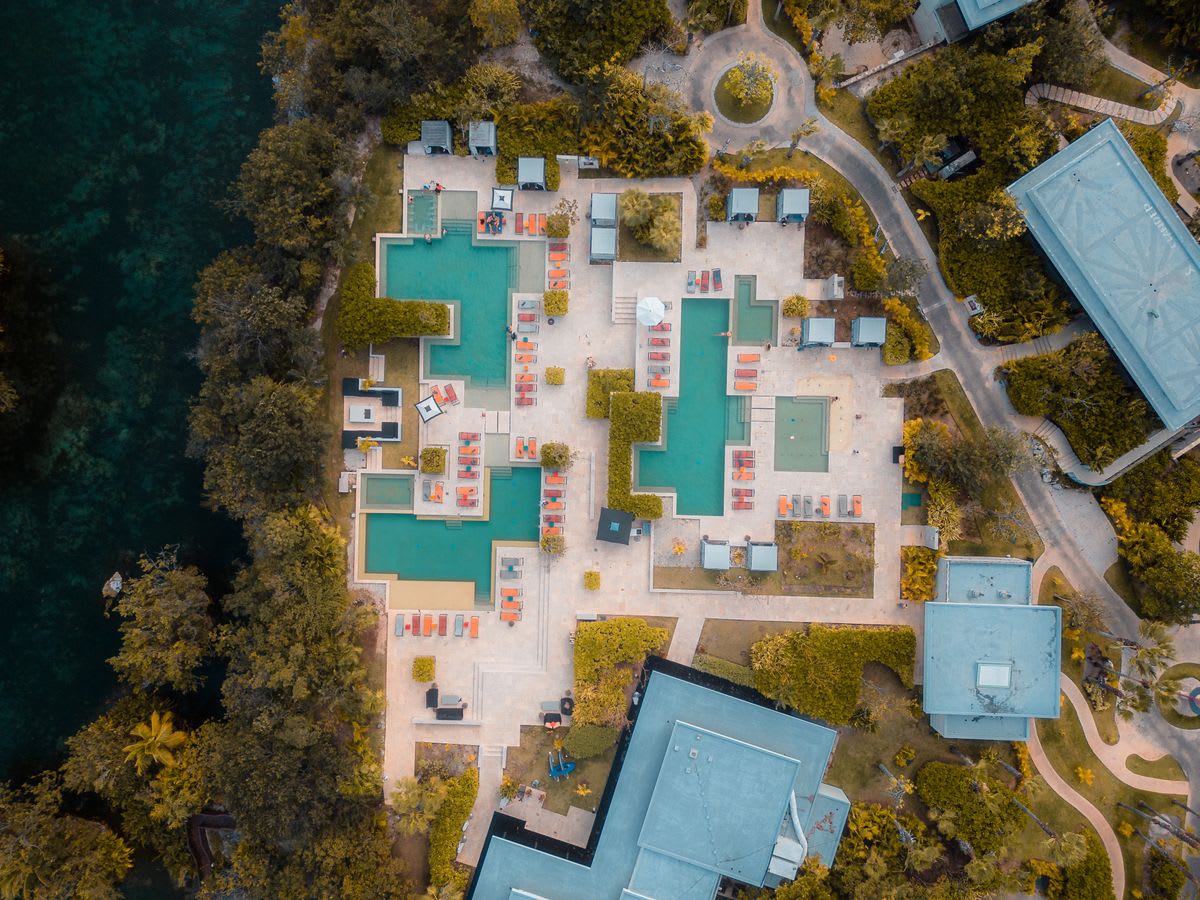
Traveling with young children, Puerto Vallarta has clear practical advantages: the sheltered waters of Banderas Bay are safe for swimming, tourist infrastructure includes family-oriented services, hotels have pools and activities, and getting there involves no complicated connections.
Puerto Escondido can work well with families, but requires more research and planning. The town center beaches aren't suitable for small children. Carrizalillo, Puerto Angelito, and Manzanillo are, but you need to know where to go. The infrastructure is more informal. That said, for families looking for something beyond a resort — sea turtles, lagoons, Oaxacan culture — Puerto Escondido can be a genuinely memorable trip. The key is going in informed.
Who should choose Puerto Escondido?
- Surfers of any level, from beginners at La Punta to advanced riders tackling Zicatela.
- Budget travelers who want a Pacific coast experience without the price tag of a mass-market destination.
- Food lovers who want genuine Oaxacan cooking, not tourist-adapted versions of Mexican food.
- Nature and wildlife seekers: sea turtles, bioluminescence at Manialtepec Lagoon, whale watching, and abundant birdlife. Our guide to activities beyond surfing covers the full picture. And don't miss the whale watching tour if you visit between December and March.
- Digital nomads looking for reliable internet, low costs, and a relaxed international community.
- Authenticity seekers who want to feel like they're in Mexico, not in an international bubble.
- Travelers who've done the standard destinations and want something that still feels like a discovery.
Who should choose Puerto Vallarta?
- Families with small children who need safe swimming beaches and reliable services.
- First-time Mexico visitors who prefer to start with solid infrastructure, easy English, and recognizable options.
- Nightlife lovers looking for international clubs, the Pacific's LGBTQ+ scene, or the Malecón atmosphere.
- Those who prefer resort comfort and don't want to trade convenience for authenticity.
- Travelers with limited time who want to arrive, settle in, and enjoy without logistical complications.
- Mixed groups where not everyone has the same traveler profile and you need a wider range of options.

Can you do both?
Technically yes, but you need to understand that they're not close. Puerto Escondido is on the Oaxacan coast and Puerto Vallarta is on the Jalisco coast. These are different stretches of the Pacific, more than 600 miles apart as the crow flies. There's no reasonable direct road route between them. Combining both means a connecting flight (usually through CDMX) or a very long detour.
If you have two weeks and want to see both, it's possible — but realistically you'd want at least 5–7 days at each to make the trip worthwhile. Two or three days at each, with transfer time factored in, rarely adds up. The better approach: choose the one that fits your profile for this trip, and save the other for next time.
The final call
If you want an easy destination — beaches where you can swim without thinking, a direct flight from home, solid nightlife, and the security of a well-known resort experience: Puerto Vallarta.
If you want a destination that still feels like a discovery, with a real ocean, Oaxacan food, world-class surf, living wildlife, and a significantly lower budget: Puerto Escondido.
To plan your Puerto Escondido trip in full detail: our 4-day chapter-by-chapter itinerary is the best starting point. If timing matters, our month-by-month guide will help you choose the right time of year.