Scuba Diving in Puerto Escondido: What to Expect Under the Surface
People who visit Puerto Escondido for the first time usually come for the waves. Some come for the turtles, some for the food, some because a friend wouldn't stop talking about it. Very few arrive specifically for the scuba diving — and that's actually part of what makes it worth talking about.
Scuba diving in Puerto Escondido exists in a kind of sweet spot: not heavily promoted, not overrun with dive groups, and genuinely rewarding if you go in with the right expectations. Here's the honest picture.

What the Water Is Actually Like
The Pacific off Oaxaca is not the Caribbean. You won't find broad coral gardens in flat, gin-clear water at 18 meters. What you will find is a wilder kind of diving — cold upwellings, variable currents, and marine life that reflects the character of an open Pacific coast rather than a protected reef system.
Visibility ranges from 8 to 20 meters depending on season, swell, and current. Water temperature sits between 24°C and 29°C through most of the year, warming noticeably from June through October. The cold season runs roughly January through April — water can drop below 22°C and visibility gets patchy. This is not the ideal window for diving.

Rock formations and reef structures near shore sit at depths between 10 and 25 meters. Parrotfish, moray eels, triggerfish, octopus, and nudibranchs are regular sightings. Offshore sites open up the possibility of manta rays, hammerhead sharks (they pass through seasonally in small numbers), and large pelagic fish schools. And if you're diving between July and November, you'll run into sea turtles more often than you'd expect — this is peak nesting season on the Oaxacan coast.
Is It Actually Worth It?
Honestly, that depends on what you're comparing it to.
If your reference point is Cozumel, the Yucatán cenotes, or anywhere in the Caribbean — no, Puerto Escondido won't measure up on visibility or coral diversity. Go there for that. But if you want to dive a stretch of Pacific coast that sees relatively few divers, where the underwater environment feels genuinely unmanicured, and where the setting above water is as dramatic as anything in Mexico — then yes, this is worth your time.
The people who tend to enjoy diving here most are experienced divers who are curious rather than checklist-driven. The less predictable conditions become part of the appeal rather than a dealbreaker.
Where the Dive Sites Are
Most operators run sites along the rock formations between Zicatela and Punta Colorada — accessible by panga in 10 to 20 minutes. These are the sites closest to town and most suitable for beginner-to-intermediate divers.
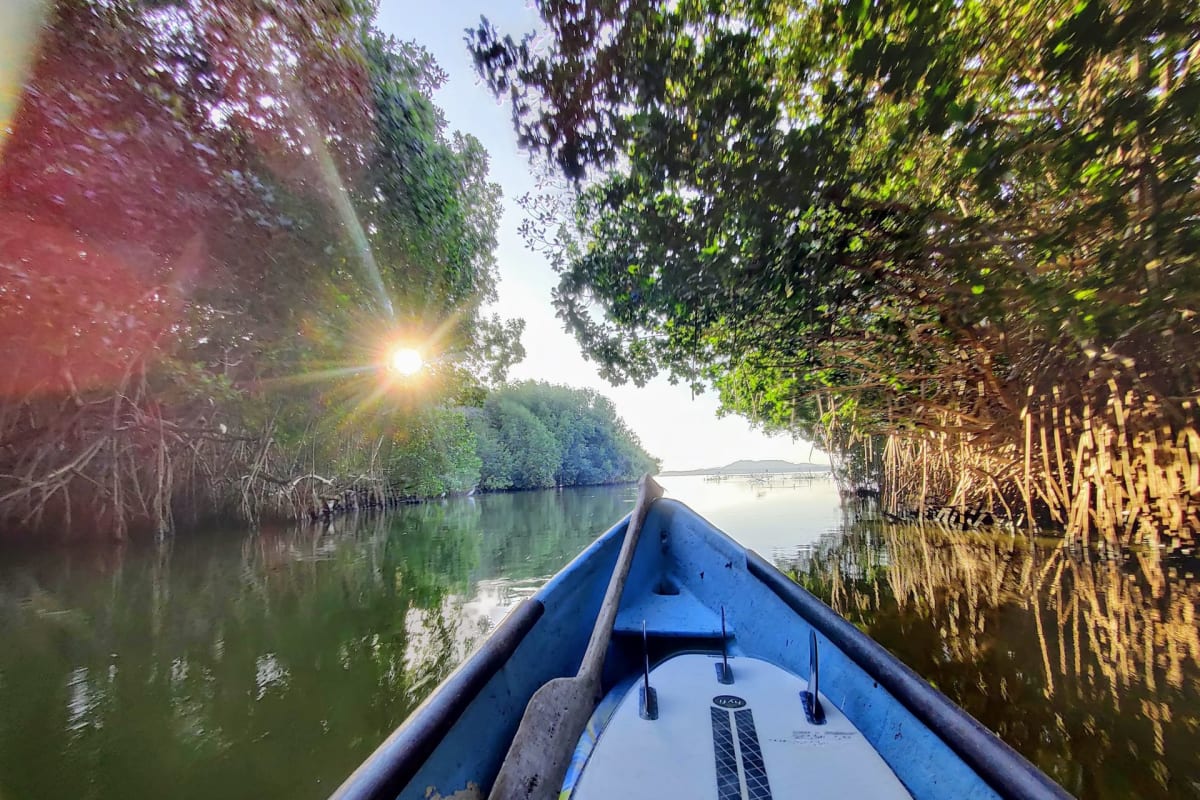
Offshore sites further from the bay require more experience and depend more heavily on current conditions. Dive operators are generally honest about whether conditions are suitable — if they say no, they mean it. You can hop on a boat tour first to get a feel for what the ocean looks like out there before committing to a dive.

Several operators also run day trips east to the Huatulco bays — about two hours by road. If diving is your primary reason for visiting this part of the coast, Huatulco's calmer, clearer bays are worth factoring into your itinerary alongside Puerto Escondido.
When to Go
June through October is the best window: warm water, stabilizing visibility, and peak sea turtle activity. November is also good — conditions remain favorable and the holiday crowds haven't arrived yet.
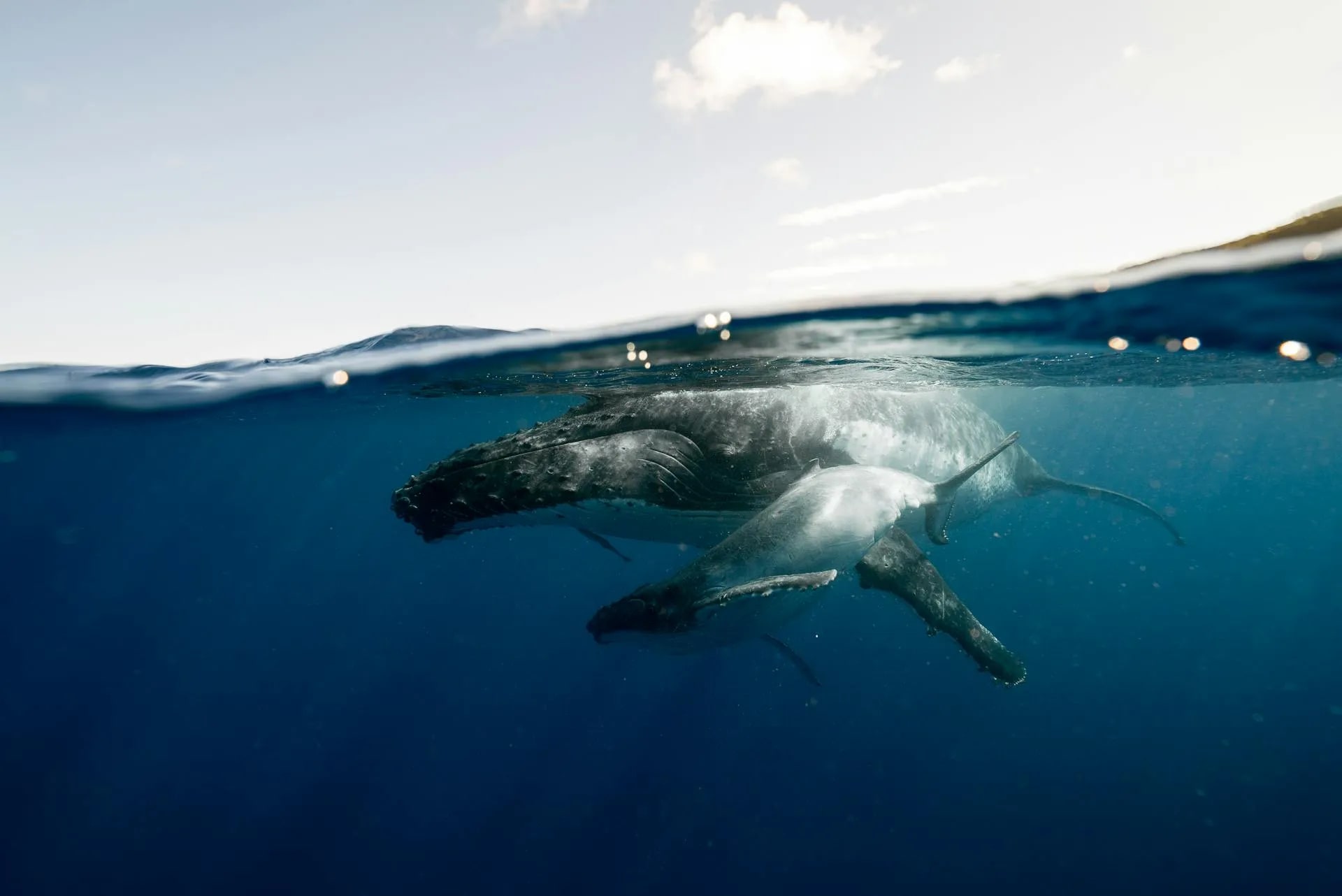
December through March brings humpback whale season. Sightings on a dive aren't guaranteed, but they happen — and when they do, it's the kind of thing you talk about for years.
April and May are the trickiest months: cold upwelling water, inconsistent visibility. Worth avoiding if your primary goal is diving.
Practical Notes Before You Book
Dive operators in Puerto Escondido are small — typically 2 to 6 person groups, run by local guides who know these waters well. Equipment quality varies more than in a resort town, so it's worth asking to see gear before you commit. Any operator worth booking with will be perfectly fine with that.
A 3mm wetsuit is comfortable for most of the year. Bring your own if you have one; rental availability is limited in smaller sizes. Night dives are available with some operators and genuinely worthwhile — octopus, lobster, and bioluminescent plankton on a dark-water dive is something else entirely.

If diving isn't quite your level yet but you want to experience the underwater world here, snorkeling on a calm day gives you a surprisingly good read on the reef fish and rock formations — and it's a lot easier to arrange.
Come for the Diving, Stay for Everything Else
Puerto Escondido tends to hold people longer than they planned. The diving is one reason, but it's rarely the only one. Once you've had a morning below the surface, an evening turtle release, and a mezcal watching the sunset at La Punta — you start to understand why people extend their stays.
If you want help planning a water-based trip that combines diving, snorkeling, and time on the ocean, get in touch on WhatsApp. We'll give you an honest read on conditions for the time you're coming and help you put together something that actually makes sense.