
Mazunte at Your Own Pace: Punta Cometa, Sea Turtles, and the Art of Slowing Down on the Oaxacan Pacific
There are destinations you visit and destinations you experience. Mazunte is the second kind, and you'll notice the difference the moment you arrive: the pace changes, the background noise disappears, and the question is no longer what to do but in what order to let yourself be carried along.
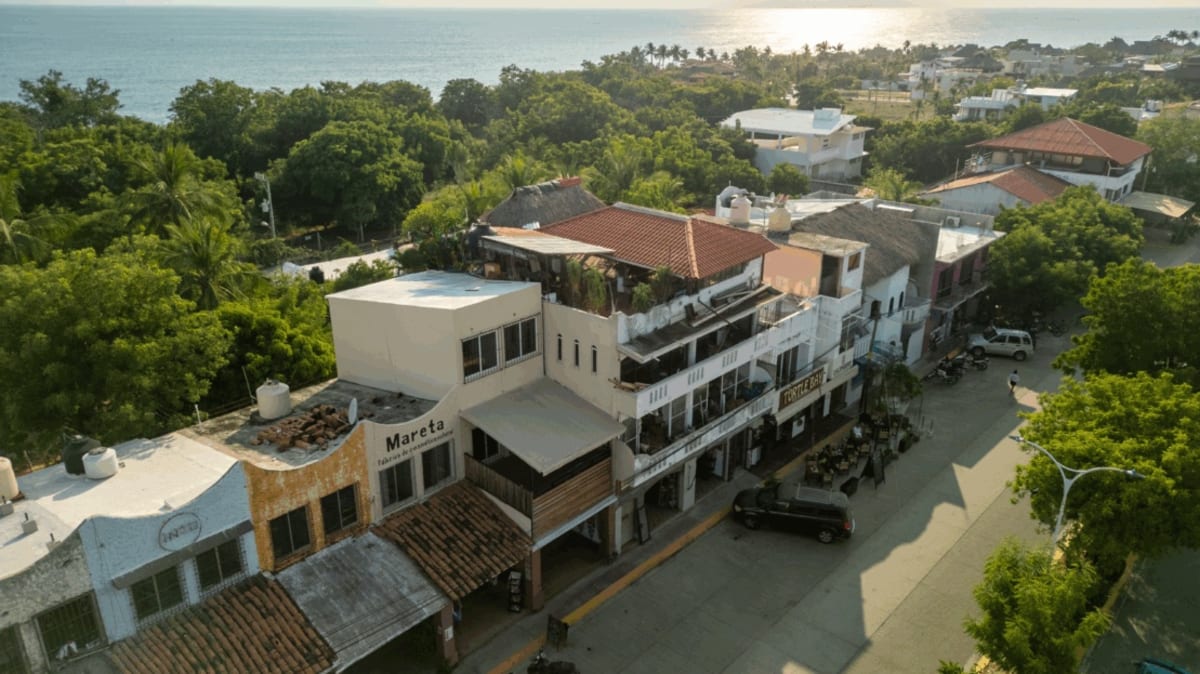
This village on the Oaxacan coast, about 70 kilometers southwest of Puerto Escondido, has the rare quality of being authentic without trying to seem so. There's no cruise pier, no hotel chains, and the only traffic light in the area is in Pochutla, 20 minutes away. What there is: one of the best viewpoints on the Mexican Pacific, three kilometers of beach with unforgiving waves, a turtle center that has been returning hatchlings to the sea for decades, and a story of community reinvention that deserves to be told.
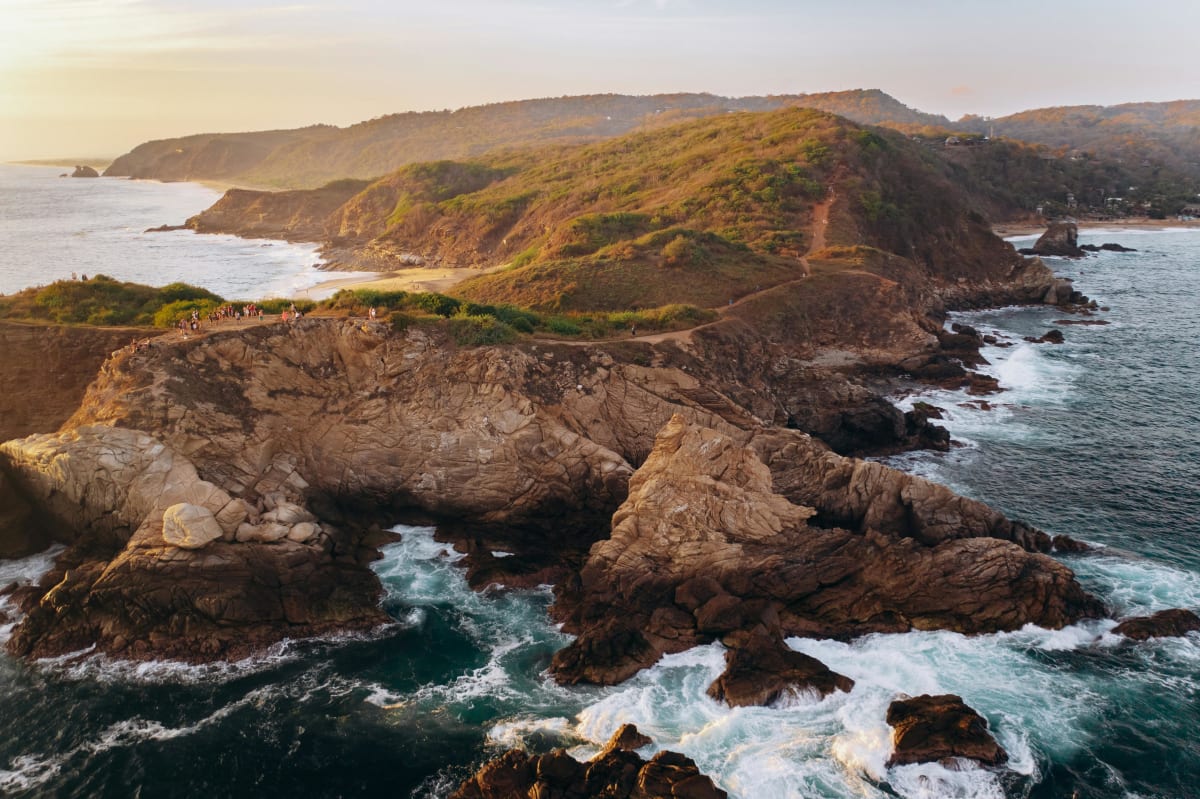
Mazunte Is Not a Destination — It's a State of Mind
The first time someone describes Mazunte to you, it sounds like a cliché: "quiet village," "contact with nature," "turismo alternativo." But the second time you go, you understand that the cliché exists because it's true.
Mazunte works for the traveler who knows how to slow down. It doesn't have the bustling markets of Puerto Escondido or the orderly bays of Huatulco. It has something else: the feeling that time is measured in tides, not hours.
The main streets are packed dirt. Restaurants open when the cook arrives. The only convenience store is ten minutes away on a motorbike. And the most-visited viewpoint in the state of Oaxaca — Punta Cometa — is a ten-minute walk from the center, no entrance fee, no street vendors, no railing.
If that sounds like a problem, Mazunte is not for you. If it sounds like a relief, keep reading.
Dawn at Punta Cometa: Why Everyone Talks About This Viewpoint
Punta Cometa is the southernmost point of the state of Oaxaca on the mainland. That alone gives it geographical distinction. But what makes it one of the best viewpoints in the country is the combination of three things that rarely coincide: enough height to see the curve of the horizon, perfect orientation for westward sunsets, and almost no buildings nearby to interrupt the view.
The climb from the village takes 15 to 20 minutes along a path through cacti and coastal scrub. The trail isn't paved, there are steep sections, and in the rainy season it's worth wearing closed shoes. But if you arrive before 7 in the morning, when the mist still covers the ocean and frigatebirds circle the cliffs, you understand why some people repeat the climb every morning for weeks.
Sunrise vs. Sunset: When Should You Go?
Short answer: both times if you can. The longer version:
- Sunrise has fewer people, more dramatic light over the ocean, and chances to spot dolphins surfacing from the cliffs. The temperature is perfect for walking.
- Sunset draws more travelers, but there's a reason: the sun drops directly into the sea with nothing to interrupt it. During migration season (November to March), it's possible to spot humpback whales from here with binoculars.
If you can only choose one, choose sunrise. The silence at that hour is part of the experience.
Mazunte's Beaches: Which One to Choose and For What
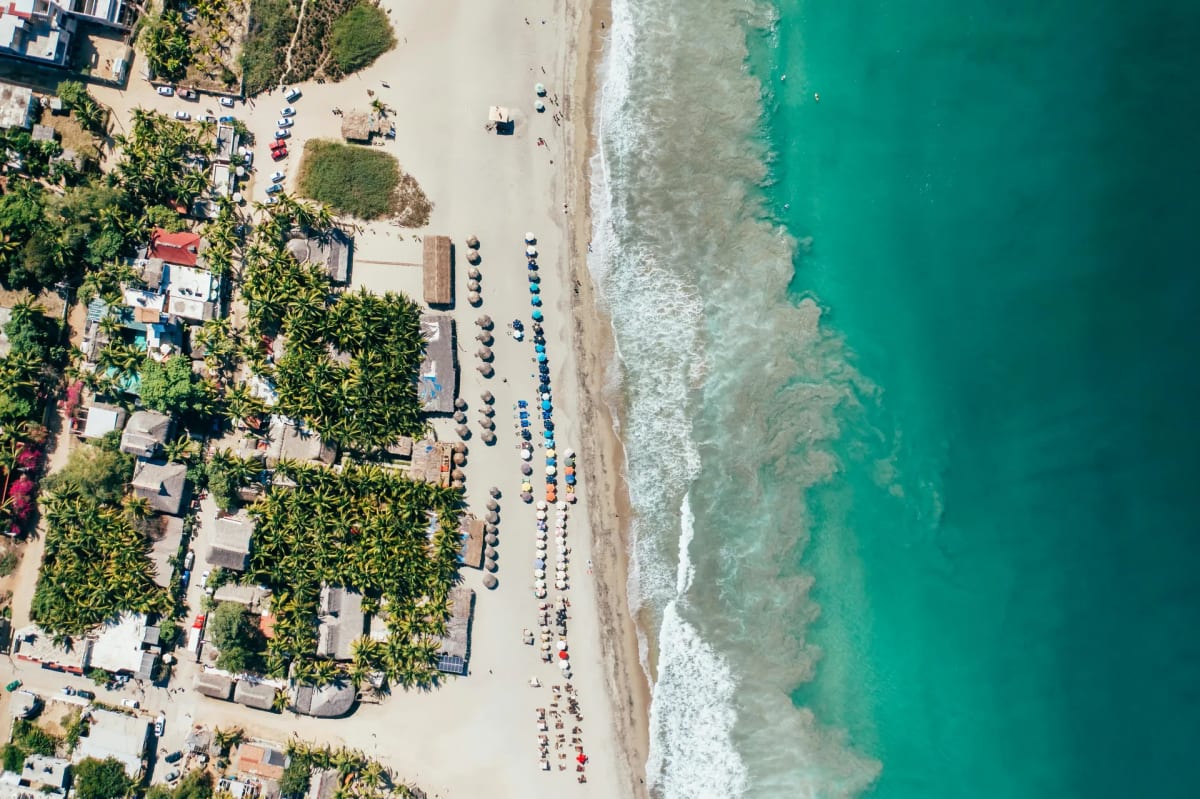
Mazunte has several accessible beaches, and they don't all serve the same purpose. It's worth knowing this before arriving with a towel and the wrong expectations.
Playa Mazunte
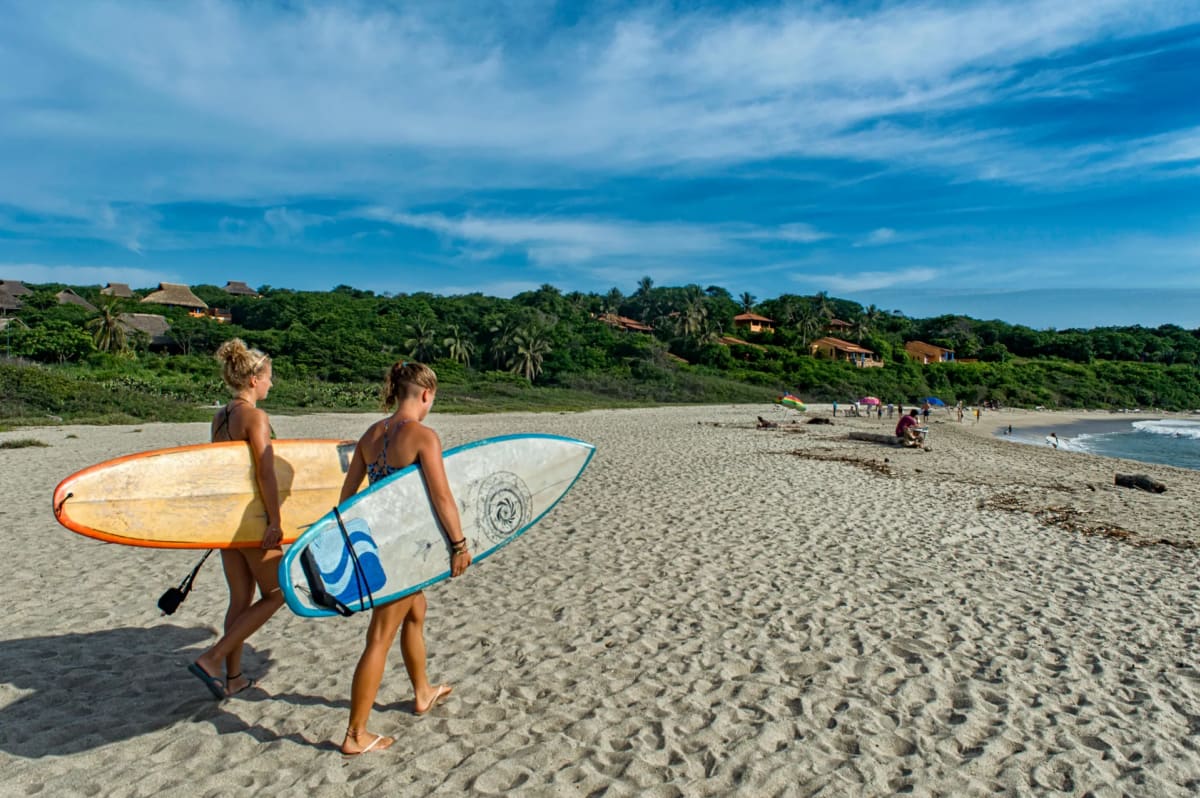
The main beach, in front of the village. It has strong waves and currents that shift with the tide. It's not suitable for swimming without experience and there are no lifeguards. What it is: visually spectacular, perfect for sitting and watching the sea, and sufficient for surfers who know how to read the water. If you're looking to improve your skills, check out our surf lessons in Puerto Escondido before heading out on your own.

Playa San Agustinillo
Three kilometers west of Mazunte, accessible by motorbike or on foot along the highway. The waves are somewhat more manageable and there are palapa restaurants directly on the sand. In low season, you can spend hours without being disturbed. It's the most recommended option if you want water and don't have surf experience.

The Beach in Front of the Centro Mexicano de la Tortuga
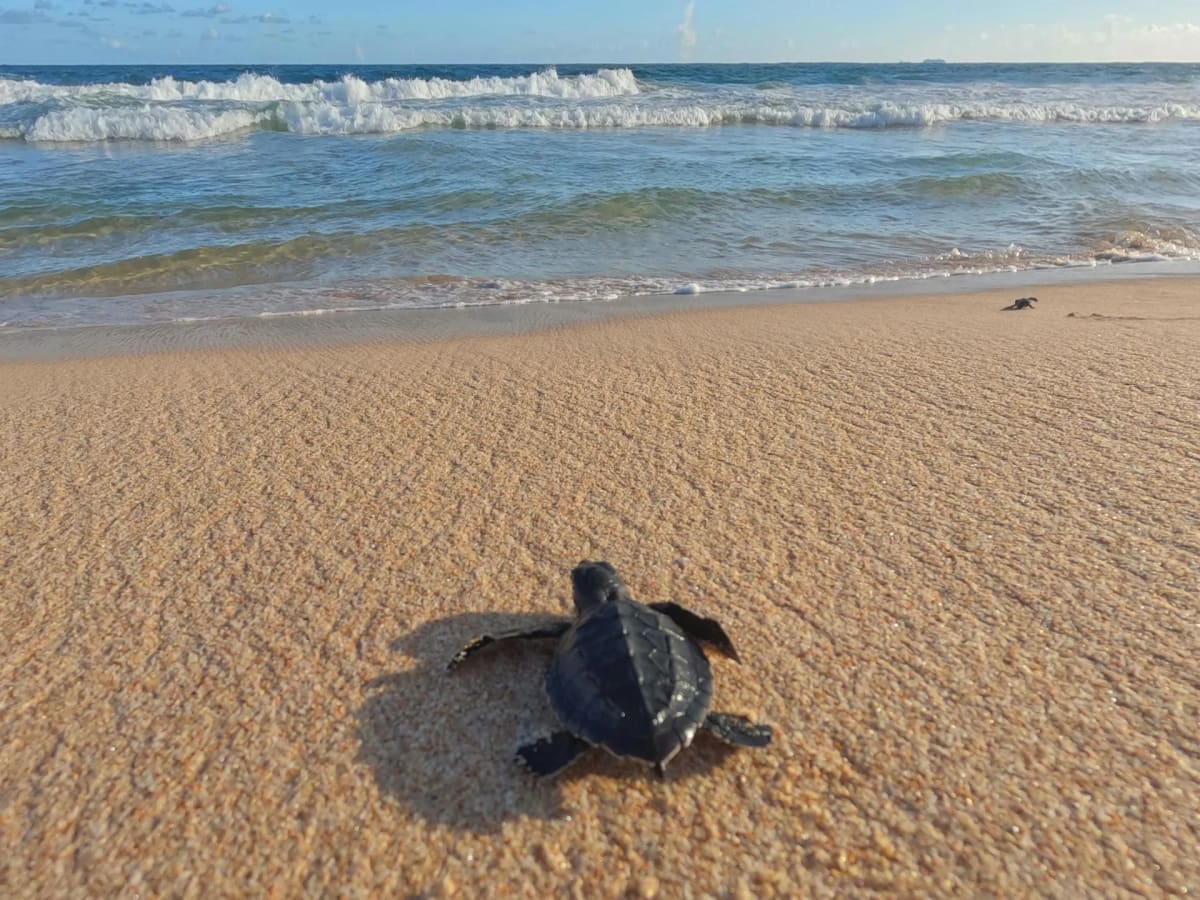
Technically in front of the turtle center, between Mazunte and Zipolite. The currents here are even less predictable. Its value isn't as a swimming beach: it's as an observation point for sea turtles during nesting season (July to November), when olive ridleys emerge at night to lay their eggs.
The Turtle as the Heart of the Destination: The Centro Mexicano and La Ventanilla
If there's one element that distinguishes Mazunte from any other beach village in Mexico, it's the relationship with sea turtles. Not as a decorative attraction but as a living history of what happens when a community decides to change course.
The Centro Mexicano de la Tortuga
Inaugurated in 1991, the Centro Mexicano de la Tortuga (CMT) was born as a direct response to the closure of the turtle processing plant that for decades had been the village's only source of income. The plant was the world's largest processor of turtle products; its closure in 1990 left Mazunte without an economy overnight.
The center today houses nine of the world's eleven sea turtle species, runs an artificial incubation program, and has an aquarium where you can observe species in captivity before their release. It's one of the few places on the planet where you can see the leatherback (Dermochelys coriacea) — the world's largest — and the olive ridley (Lepidochelys olivacea) — the most numerous on this coast — together.
Visits are guided and admission has a nominal cost that goes directly to the conservation program. Morning hours (before 11 am) to avoid the heat.
La Ventanilla: Crocodiles, Turtles, and Mangroves in One Lagoon
Fifteen minutes west of Mazunte along the coastal highway, La Ventanilla is another story of community transformation. The village fishermen converted their mangrove lagoon into an ecotourism reserve that today shelters river crocodiles, sea turtles in a nursery, and over 70 species of resident and migratory birds.
The boat tour lasts 45 minutes to an hour. The guides are local residents who know the lagoon by heart: where the crocodiles sunbathe in the morning, which tree the pelicans nest in, when the migratory ducks arrive from Canada. It's one of the most recommended guided experiences on this stretch of coast and probably the best value for what it offers.
- La Ventanilla boat tour — crocodiles, turtles, and mangroves
- Sea turtle release on the Oaxacan coast
- Turtle nesting — nighttime beach experience

What Nobody Mentions: The Story of How Mazunte Reinvented Itself
Understanding Mazunte without knowing its history is like arriving at a film halfway through. The village you see today — with its cooperatives, natural cosmetics products, and ecotourism vocation — is the result of one of the most improbable community transformations in Mexico.
From Turtle Processing Plant to Ecotourism Capital
For decades, Mazunte lived almost exclusively from the sea turtle. The plant processed tens of thousands of animals a year: meat, oil, skins, eggs. It was a brutal and profitable industry. When Mexico banned commercial turtle hunting in 1990 and the plant closed, the village was left economically devastated overnight.
What happened next is what makes Mazunte unique. Instead of emigrating or waiting for subsidies, the villagers built a new economy from scratch. First came the natural cosmetics cooperative, Cosméticos Naturales Body Sô, founded with advice from Anita Roddick's The Body Shop. Then came ecotourism. Then the Centro Mexicano de la Tortuga. And then, gradually, the small businesses serving the travelers who began to arrive.
The village that was synonymous with turtle slaughter became one of Mexico's leading responsible tourism destinations. It's not a fairy tale — there are still economic and infrastructure challenges — but it's a real story of people who chose to reinvent themselves.
Beyond the Beach: The Routes Few People Take
Mazunte has more layers than are visible from the main beach. Here are the ones worth the detour:
Zipolite: The Neighbor That Completes the Picture
Three kilometers east of Mazunte, Zipolite is Mexico's only legal nudist beach. We mention this not as a curiosity but as context: Zipolite's beach and Mazunte's are the same coastal strip, and understanding both villages together gives a fuller picture of this coast than seeing each one separately.
Zipolite is also famous for its dangerous currents and historically high drowning rate, which led to the creation of the first lifeguard corps in Oaxaca state, the "Zipolite Lifeguards." Today they patrol the beach, and the village has the most developed tourist infrastructure in the area: more restaurants, more accommodation, more nightlife.
Whale and Dolphin Watching from the Sea
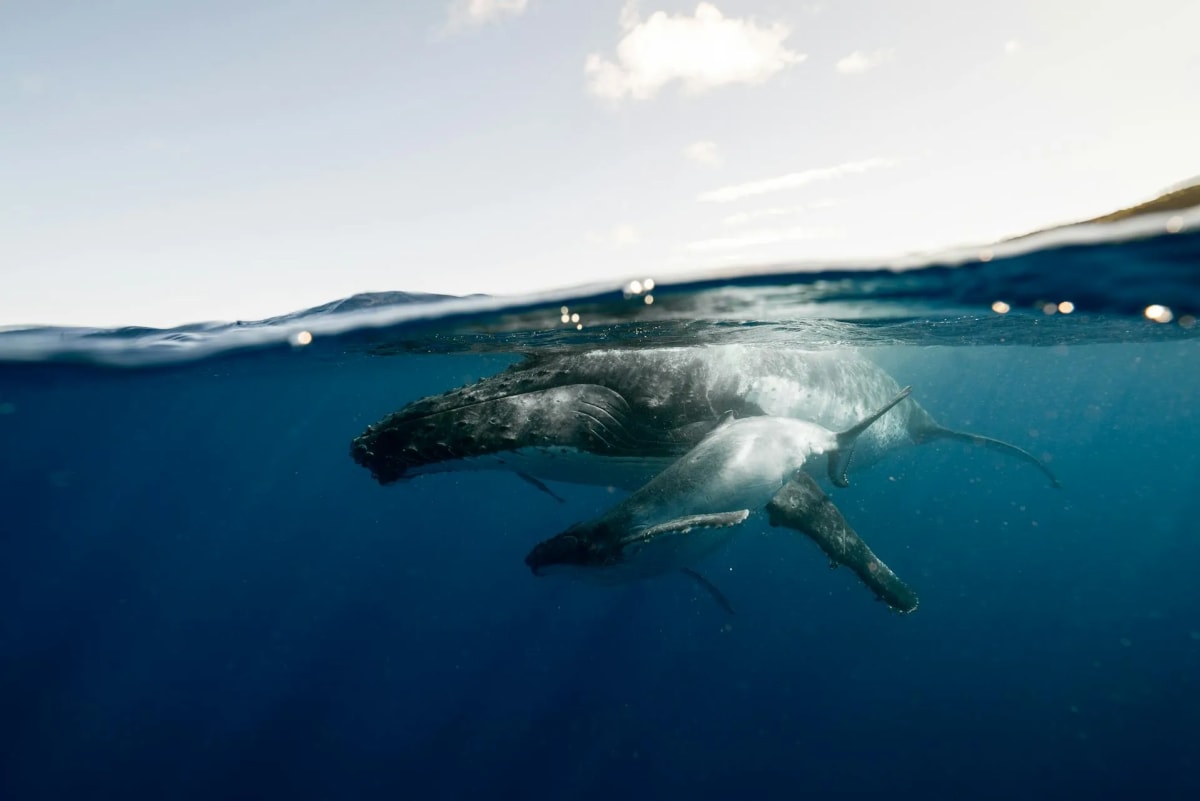
The coast between Mazunte and Puerto Escondido is one of the humpback whale's (Megaptera novaeangliae) migration routes. Between November and March, early morning boat excursions have a high likelihood of encounter. Dolphins, meanwhile, are present almost year-round. Browse our tours and excursions to book a sea wildlife trip.

- Humpback whale watching — season November to March
- Dolphin watching — morning departures in small groups
Hike to the Sierra Hot Springs
Less than two hours from Mazunte into the mountains, there are natural hot springs surrounded by jungle that almost nobody visits. The hike to reach them crosses streams and milpa fields and requires a local guide, but ends at warm pools where you can stay for hours. It's the perfect counterpoint to the salt and sun of the coast.
- Hike to the Hot Springs — local guide, small groups
- Horseback Ride to the Hot Springs — route through the coastal mountains
Bird Watching in the Mangroves
La Ventanilla lagoon and the surrounding mangroves are permanent and migratory habitat for more than 200 bird species. Herons, roseate spoonbills, pelicans, frigatebirds, mountain hummingbirds, and in season, northern ducks and teals. For travelers with binoculars, this coastal strip is one of the most productive on the Mexican Pacific. Pair birdwatching with other coastal private guided experiences for a full day in nature.

The Afternoon and Sunset: When Mazunte Shows Its Best Side
If dawn at Punta Cometa is silent and personal, the afternoon in Mazunte is communal. There's an hour, between 5 and 7 in the evening, when the heat fades, the light turns orange and gold, and the whole village seems to migrate toward the viewpoints and the restaurants facing the sea.
Mezcal and Coffee at Sunset
Mazunte has a natural relationship with mezcal: the area is an artisan producer and the village bars serve expressions that never make it to city stores. A guided tasting isn't just for connoisseurs; it's for understanding the difference between an industrial mezcal and one that smelled a wood fire six months ago.
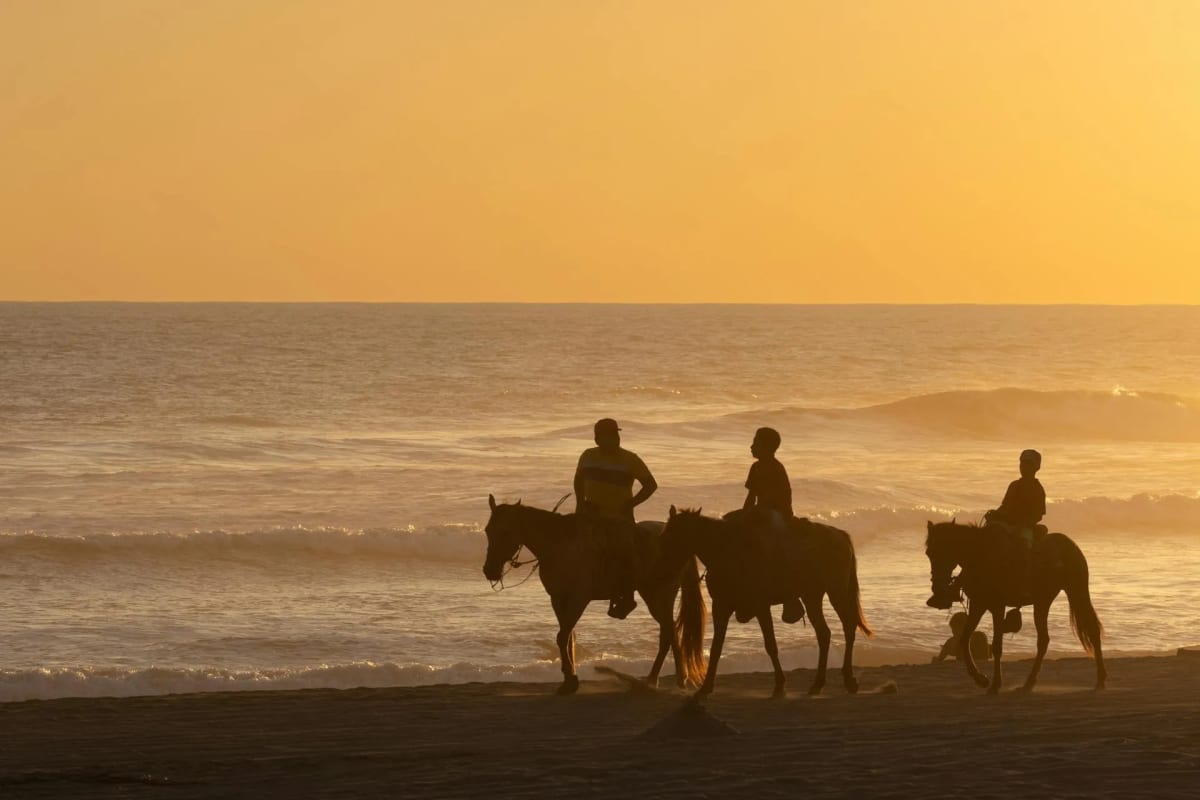
Sunset Horseback Ride Along the Coast
The beach south of Mazunte is long and sparsely visited in the afternoon hours. Riding it on horseback, with the sun dropping over the Pacific, is one of those experiences that sounds touristy in description and turns out genuine in execution. The horses are from local breeders and the routes run with the tide.
What You Need to Know Before You Go (No Sugarcoating)
Mazunte is a destination that wins you over, but it also has characteristics not all travelers know in advance. This is the section you'll wish you'd read before your first visit:
The Sea Is Not for Casual Swimming
Currents at Mazunte's main beach and at Zipolite are strong and shift without warning. Zipolite has lifeguards in high season; Mazunte does not. If you don't have experience in open water with powerful waves, stick to San Agustinillo or ask the locals before going in.
The Rainy Season Has Its Own Charms
From June to October it rains regularly. Mornings are usually clear; afternoons bring short, intense storms. It's also when turtles arrive to nest. If your main goal is to see turtles, the rainy season is the right one — tourist infrastructure is less crowded and prices are better.
Cash Is Still King
Not all businesses in Mazunte accept cards. The nearest ATM is in Pochutla, 20 minutes away. Bring cash for at least two days of expenses.
Internet Is Intermittent
No fiber optic. There's cell signal in the village center and little else. If that generates anxiety, that's also useful information to have before you arrive.
How to Get There from Puerto Escondido
From Puerto Escondido, Mazunte is approximately 70 kilometers along coastal highway 200. Your options:
- Bus: Frequent departures from Puerto Escondido's terminal to Pochutla. From Pochutla, taxi or shared van to Mazunte (20 minutes).
- Organized tour: The most efficient option if you want to combine Mazunte with Zipolite and Punta Cometa in a single day. Transport, entrance fees, and guide included. Mazunte, Zipolite and Punta Cometa tour from Puerto Escondido.
- Rental car: The most flexible option for those who want to explore the intermediate beaches and stop at La Ventanilla on the way. See our car and scooter rental options for getting around the coast.
Frequently Asked Questions About Mazunte

How many days do I need to really know Mazunte?
With 2 nights you have the essentials: Punta Cometa at sunrise and sunset, the Centro Mexicano de la Tortuga, La Ventanilla, and time for the beaches. With 3-4 nights you can add an ocean excursion, a visit to Zipolite, and an afternoon of unhurried exploration. Mazunte isn't a "check the boxes" destination: the more time you have, the more things appear on their own.
Is Mazunte safe for solo travelers?
Yes. It's one of the most peaceful destinations on the Oaxacan coast. The village is small and the community knows regular visitors. As with any beach destination, standard precautions apply: don't swim alone in open water, carry only necessary cash, and respect the warnings about currents.
Is there a turtle watching season in Mazunte?
Yes. The olive ridley turtle arrives to nest on these beaches between July and December, peaking in August and September. Hatchling releases are organized with local operators and the Centro Mexicano de la Tortuga. Nighttime nesting experiences require prior reservation.
Can I combine Mazunte with Puerto Escondido in the same trip?
Absolutely. Puerto Escondido and Mazunte complement each other: Puerto Escondido offers more activity, nightlife, and access to Manialtepec lagoon; Mazunte offers tranquility, turtles, and Punta Cometa. Together they form one of the best itineraries on the Mexican Pacific coast. You can read our guide to activities in Puerto Escondido to plan the combination: Puerto Escondido Beyond Surfing.
What happens if I coincide with a mass turtle arribada?
Arribadas are events where tens of thousands of turtles arrive to lay eggs on the same beach in a single night. They're unpredictable — depending on water temperature, moon, and currents — but happen several times per season on nearby beaches like La Escobilla, 45 minutes from Mazunte. If you coincide with one, it's one of the most impressive natural spectacles in Mexico.
If your plan includes exploring beyond Mazunte, our full coastal guide helps you combine destinations: 4 Days in Puerto Escondido: A Chapter-by-Chapter Itinerary. And if you're arriving from Huatulco or want to combine all three destinations in one trip, this article gives you the complete map: Puerto Escondido and Huatulco: Two Destinations That Complement Each Other. You can also browse all our accommodation options to find where to stay when you visit.
auto_awesomeContinue exploring Puerto Escondido
You Might Also Like
 articleAdventurescalendar_todayJan 6, 2026
Best Day Trips from Puerto Escondido: Explore Oaxaca’s Hidden Coastal Treasures
Puerto Escondido is more than just world-class surf and stunning sunsets—it’s your gateway to some of Oaxaca’s most brea
 calendar_todayAug 31, 2026
Laguna de Chacahua: The Complete Guide to Oaxaca's Crocodile Lagoon
A complete guide to Laguna de Chacahua's crocodile-filled lagoon, mangrove boat tours, and the bioluminescent beach beyo
 calendar_todayAug 30, 2026
Things to Do in Zipolite, Oaxaca: Beaches, Surf & Sunsets
From Playa del Amor to the nightly mezcal-and-sunset ritual: a local's guide to filling your days in Zipolite, Oaxaca.