Puerto Escondido and Huatulco: Two Oaxacan Coast Destinations That Perfectly Complement Each Other
There are two ways to experience the Oaxacan coast. The first: pick one destination, settle in, and never leave. The second — and the one most travel guides fail to cover properly — is to combine two places that seem like opposites but together create something more complete than either one on its own.
Puerto Escondido and Huatulco are separated by just under 120 kilometers of coastal highway. But the real distance between them isn't measured in kilometers — it's measured in the kind of trip each one offers.
Two Personalities, One Coast
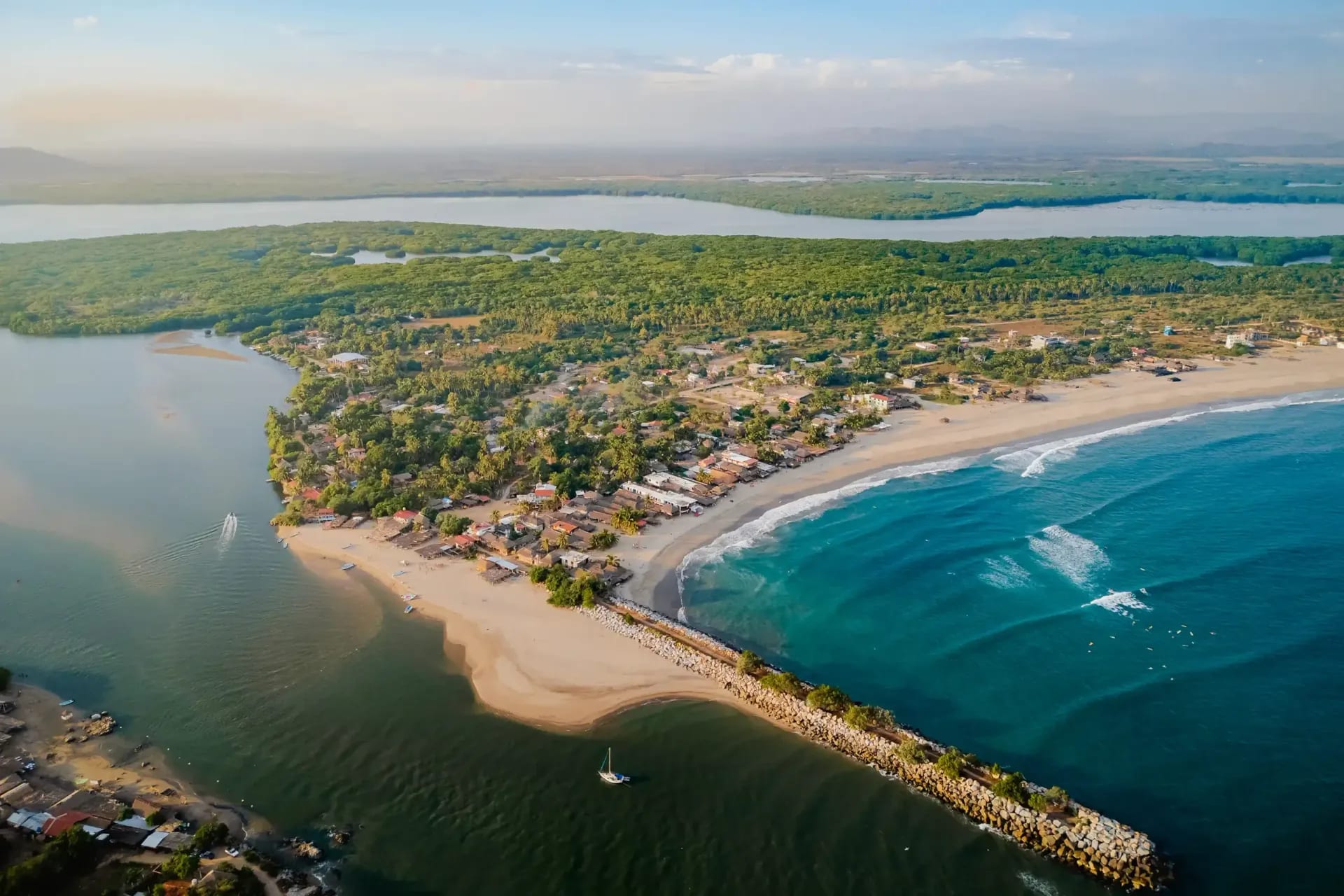
Puerto Escondido is what a beach destination looks like before mass tourism changes it. Its waves are real, its markets smell like chile and cinnamon, and its beaches don't have rented umbrellas lined up in rows. Nature runs the show here: mangrove lagoons, turtles that arrive unannounced, dolphins that appear in the middle of the open ocean.
Huatulco, on the other hand, is a destination that was built with intention. Its nine bays were designed to welcome tourism without sacrificing the natural environment — and it worked. The water in Bahía Santa Cruz is so clean you can see the bottom at four meters depth. The restaurants in downtown Crucecita serve black mole with a presentation that nobody in Puerto Escondido would bother with.
Neither is better. They're simply different. And that's exactly why both are worth visiting.
What Only Puerto Escondido Can Give You
Let's start with the one you probably know less, because although Puerto Escondido has a reputation as a surf destination, most people who come here don't actually surf.
Manialtepec Lagoon: The Green Heart of the Destination
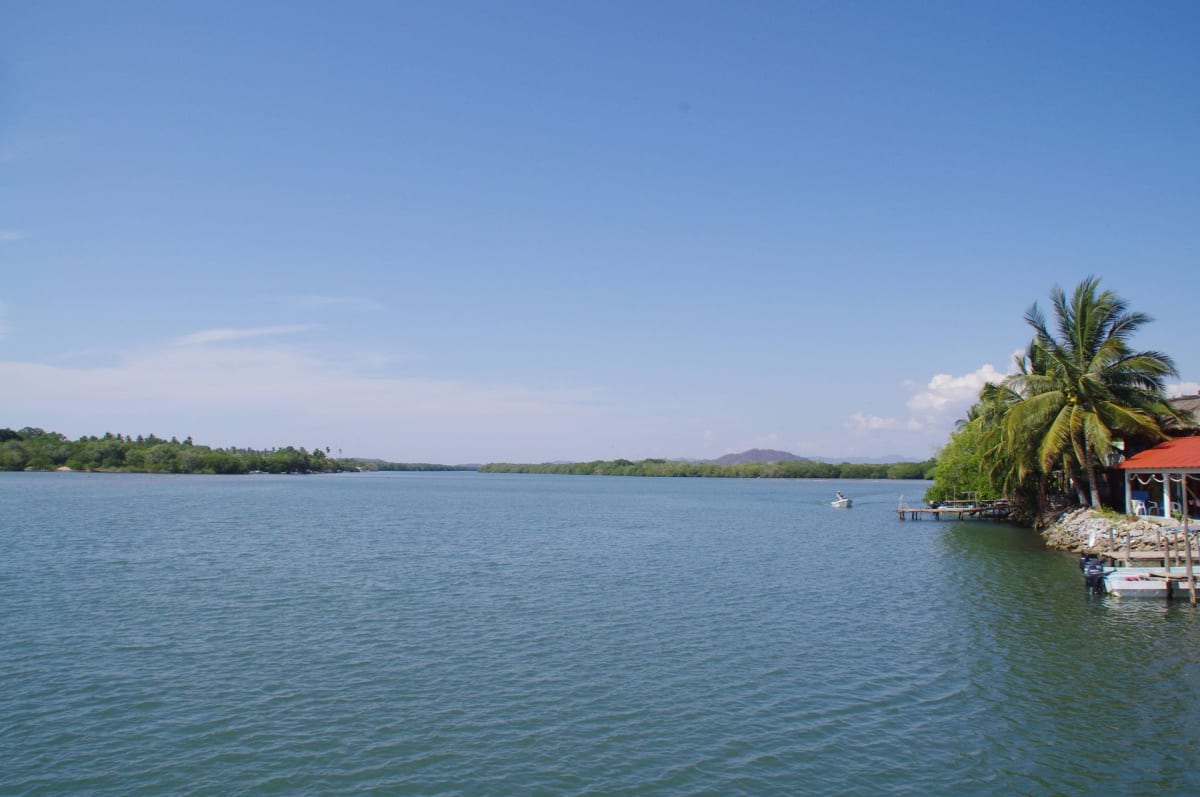
Fourteen kilometers from Puerto Escondido's center, Manialtepec lagoon brings together more than 250 bird species in a mangrove ecosystem that remains untouched. During the rainy season, the water glows with bioluminescence at night: every paddle that enters the water leaves a trail of blue light that looks straight out of a movie.
There are kayaks for exploring in silence, boatmen who know where the heron nests are, and a stillness the open ocean can never give you. Whether you have two hours or a full day, the lagoon fills them effortlessly.
The Open Ocean: Dolphins, Whales, and Diving
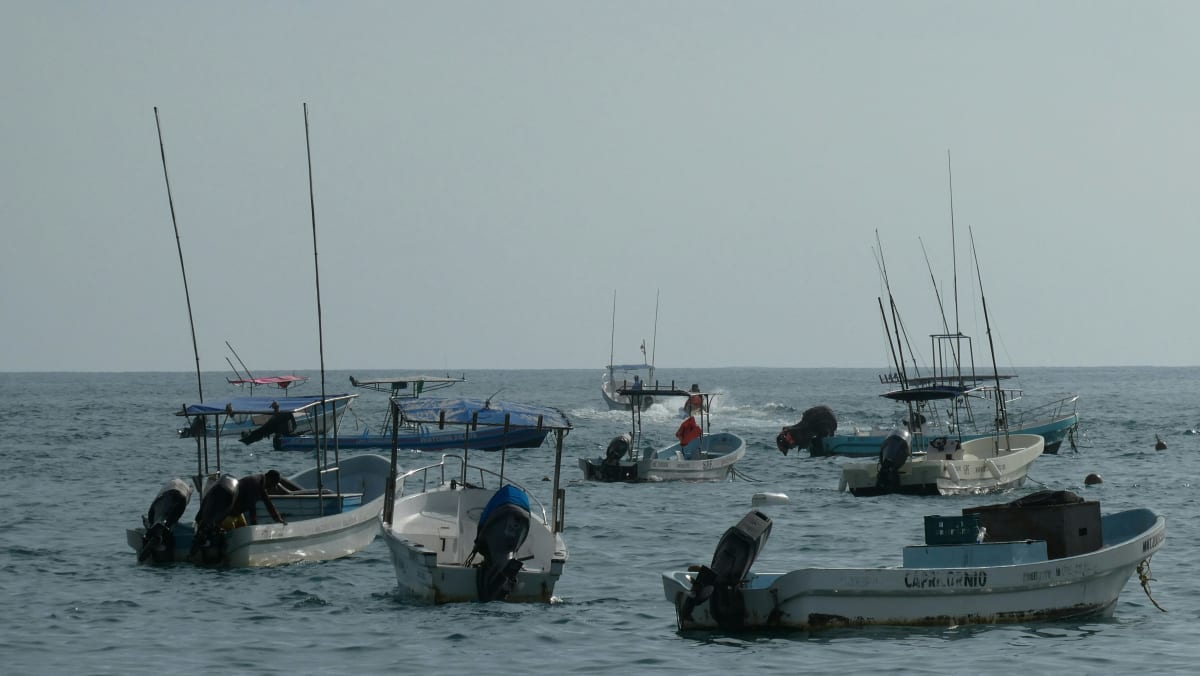
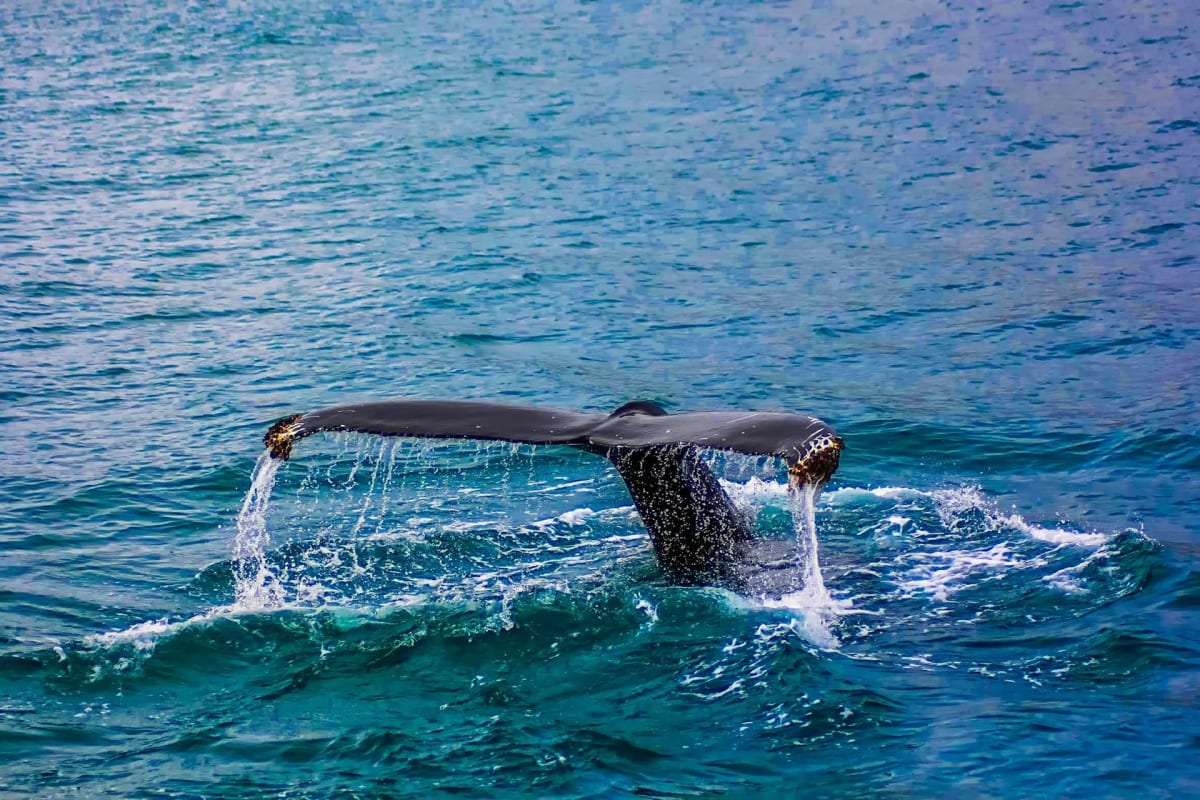
The Pacific in front of Puerto Escondido isn't for calm swimming — it's for observing. Early morning ocean excursions often cross paths with groups of bottlenose dolphins swimming alongside the boats. Between November and March, humpback whales pass in front of the coast on their migratory route.
- Dolphin watching in Puerto Escondido — morning departures, small groups
- Whale watching — season runs November to March
- Scuba diving in Puerto Escondido — rocky reefs, turtles, and moray eels
The Turtles: An Encounter Without the Marketing

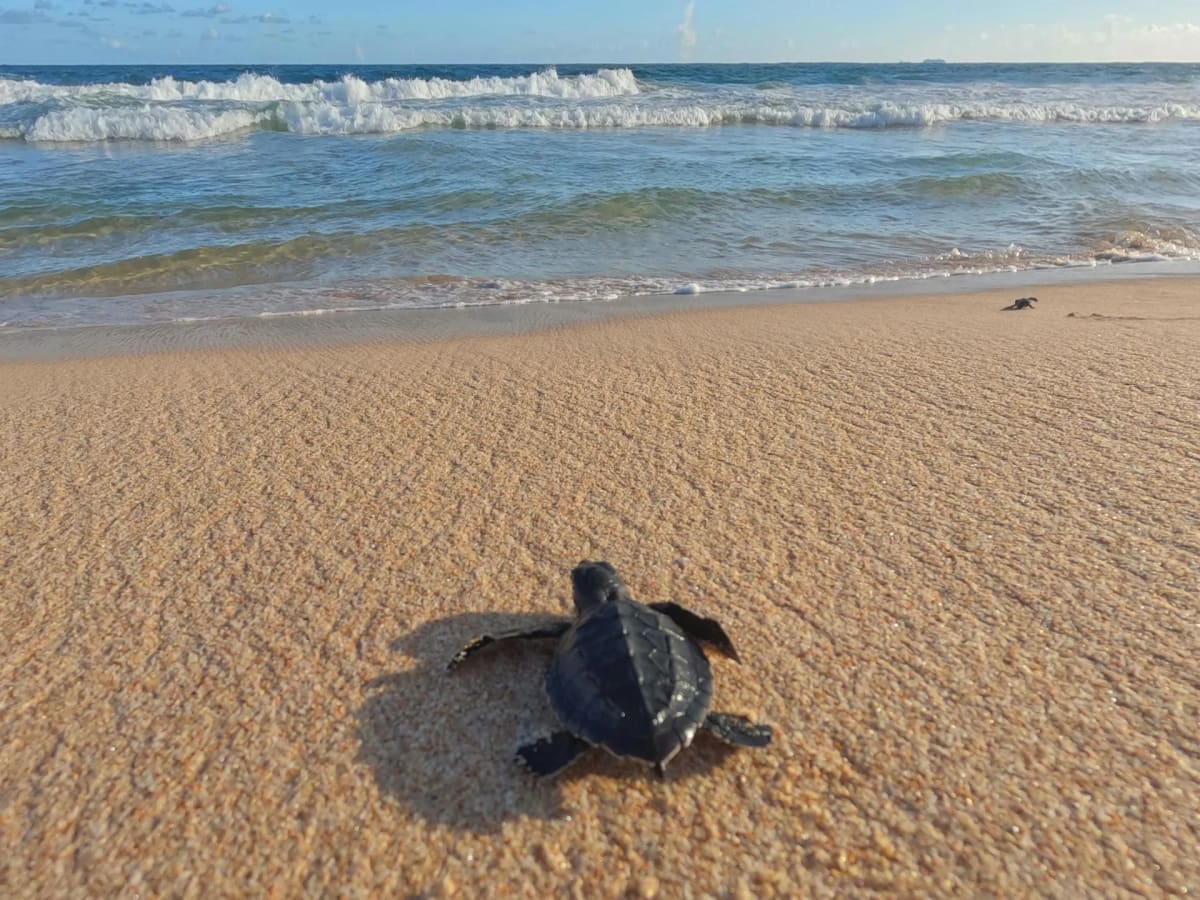
At La Ventanilla beach, 90 minutes west of Puerto Escondido, olive ridley turtles come to nest between July and December. The release of hatchlings is one of those experiences most travelers describe as the most memorable of their trip — without exaggeration.
What Only Huatulco Can Give You
Huatulco has something Puerto Escondido rarely offers: calm, crystal-clear water where you can swim without worrying about currents. That alone justifies the trip.
Snorkeling and Diving in Clear Waters
Huatulco's bays have rocky and coral bottoms where visibility exceeds 10 meters in dry season. In Bahía Cacaluta, which can only be reached by boat, snorkeling lets you see sea turtles and colorful fish on the same excursion. It's not the Caribbean, but for the Mexican Pacific, it's exceptional.
Gastronomy That Blends Sea and Mountains
Crucecita, Huatulco's urban center, has a food scene you won't find in Puerto Escondido. Black mole oaxaqueño shares menu space with marlin ceviche and shrimp tacos. The downtown markets sell mole paste, artisan mezcal, and tlayudas to go. It's the meeting point between the mountain and sea kitchens of Oaxaca.

The City Tour: The Most Efficient Way to See Everything
If you only have one day in Huatulco, the organized city tour is probably the best investment you can make. It covers the main bays, downtown Crucecita, and natural points of interest that in a private taxi would cost you twice as much.
City Tour in Huatulco — bays, market, and historic center
The Nine Bays: An Honest Guide to What to Expect
Huatulco is always presented as "the nine bays," but they're not all the same. Here's the guide you won't find in brochures:
Bahía Santa Cruz
The most accessible and the most crowded. It has a passenger pier, seafront restaurants, and craft shops. The water is clean with a visible bottom. Good for families and for anyone arriving without a prior plan.
Bahía Tangolunda
This is where the large hotels are. The beach is long and well-maintained, but with less mixing with domestic tourism. If you're looking for rest without much noise, this is your bay.
Bahía Chahué
The locals' favorite. It has a marina and calm beaches that passing tourists usually skip. Worth stopping for even half an hour.
Bahía Cacaluta
Only accessible by boat. No infrastructure, no restaurants — and that's exactly why it's worth it. Snorkeling here is among the best on the Oaxacan coast.
Bahía San Agustín
The furthest from the center. Local fishermen come here to sell their daily catch directly on the beach. If you have a car or hire private transport, the fresh ceviche the locals make is reason enough to come.
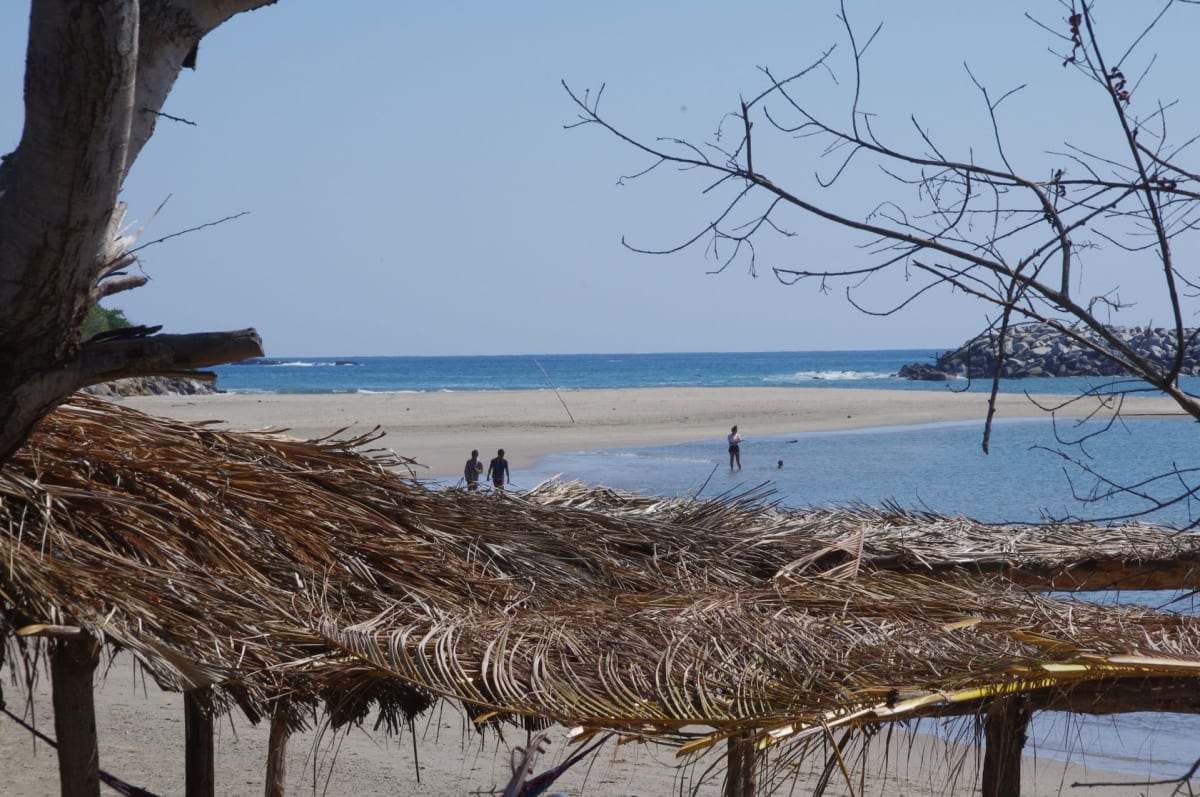
The other four bays (Maguey, El Órgano, Conejos, Chachacual) have more complicated access and are normally covered on the 7 Bays of Huatulco boat tour, which departs from Santa Cruz and covers the main ones in a full day.
How to Combine Both Destinations in One Trip
The question we're asked most often is: how many days do I dedicate to each? The answer depends on what you're looking for, but here are three frameworks that work:
Option 1: Puerto Escondido as Base, Huatulco as a Day Trip (5 days)
- Days 1-2: Arrive in Puerto Escondido, acclimatize, beaches and market.
- Day 3: Manialtepec lagoon or turtles depending on season.
- Day 4: Full-day excursion to Huatulco — leave at 7am, bay tour, return at sunset.
- Day 5: Free day in Puerto Escondido, any remaining activities.
Option 2: Split Itinerary (7 days)
- Days 1-4: Puerto Escondido: lagoon, dolphins, surfing or lessons, La Punta nightlife.
- Day 5: Transfer to Huatulco, settle in, explore Crucecita.
- Days 6-7: Bay tour, snorkeling at Cacaluta, beach time at Chahué.

Option 3: Huatulco-Based with a Day Trip to Puerto Escondido (5 days)
- Days 1-2: Huatulco: Santa Cruz and Tangolunda bays, gastronomy.
- Day 3: Day trip to Puerto Escondido: Manialtepec lagoon, return at sunset.
- Days 4-5: 7 bays tour, San Agustín, relaxation.
If you have more time, our four-day Puerto Escondido itinerary includes the combination with Chacahua and Mazunte, two other destinations on the same coast: 4 Days in Puerto Escondido: A Chapter-by-Chapter Itinerary.
Getting Between the Two Destinations: Real Options
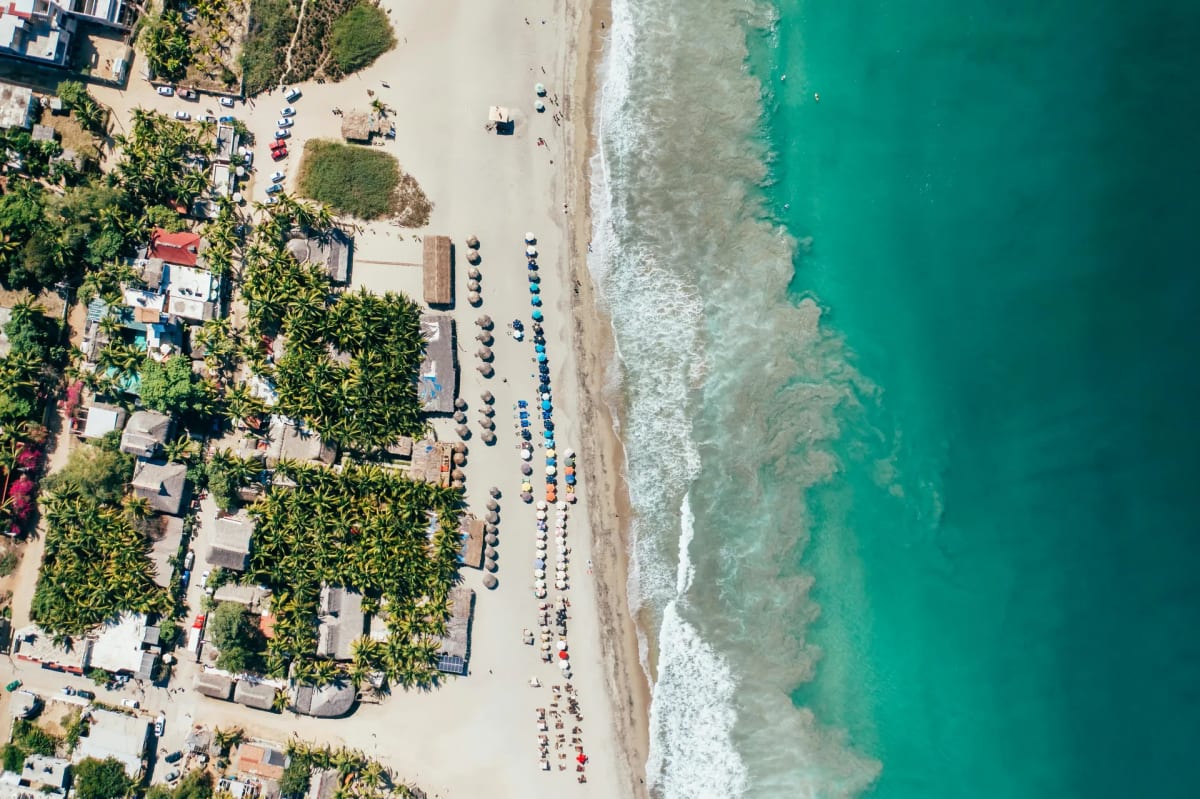
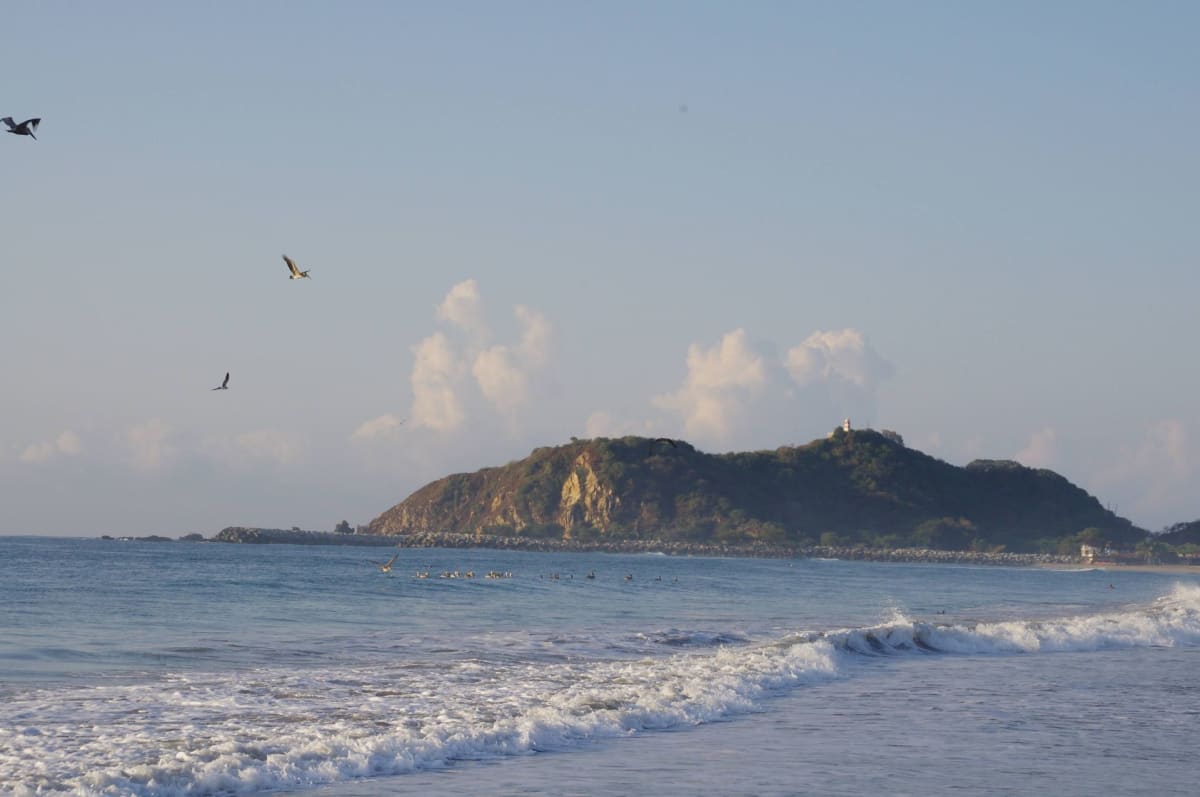
Here's the practical part, without embellishment. The 100-120 kilometers of coastal highway between Puerto Escondido and Huatulco can be covered four ways:
ADO Bus (the most comfortable option)
ADO operates direct connections between the two cities. The journey takes between 2 and 2.5 hours depending on stops. Buses are comfortable with air conditioning. Cost is approximately 150-250 MXN per person. The Puerto Escondido terminal is in the center; in Huatulco, next to Crucecita.
Rental Car (the most flexible option)
If you plan to explore Huatulco's more remote bays (San Agustín, Conejos) or want to stop along the route, renting a car makes sense. The coastal highway is two-lane, well-signposted, and has mountain-and-sea scenery worth seeing at your own pace. The road passes through La Ventanilla and several other points of interest.
Private Transfer (the most direct option)
Local operators in Puerto Escondido offer door-to-door transfers to Huatulco. Prices range from 800-1200 MXN per vehicle depending on the agency and vehicle type. If you're traveling as a group, it's more economical than individual taxis and more flexible than the bus.
Shared Taxi (the most local option)
From Puerto Escondido's taxi center, shared vans and collective taxis leave for Pochutla, from where you can connect to Huatulco. It's the slowest and most authentic option: the journey can take up to 3 hours with stops, but it's how the local population travels.
What Travelers Don't Expect to Find
There are a few things most guides fail to mention about this stretch of coast:
The Chacahua Biosphere Reserve Is Along the Way
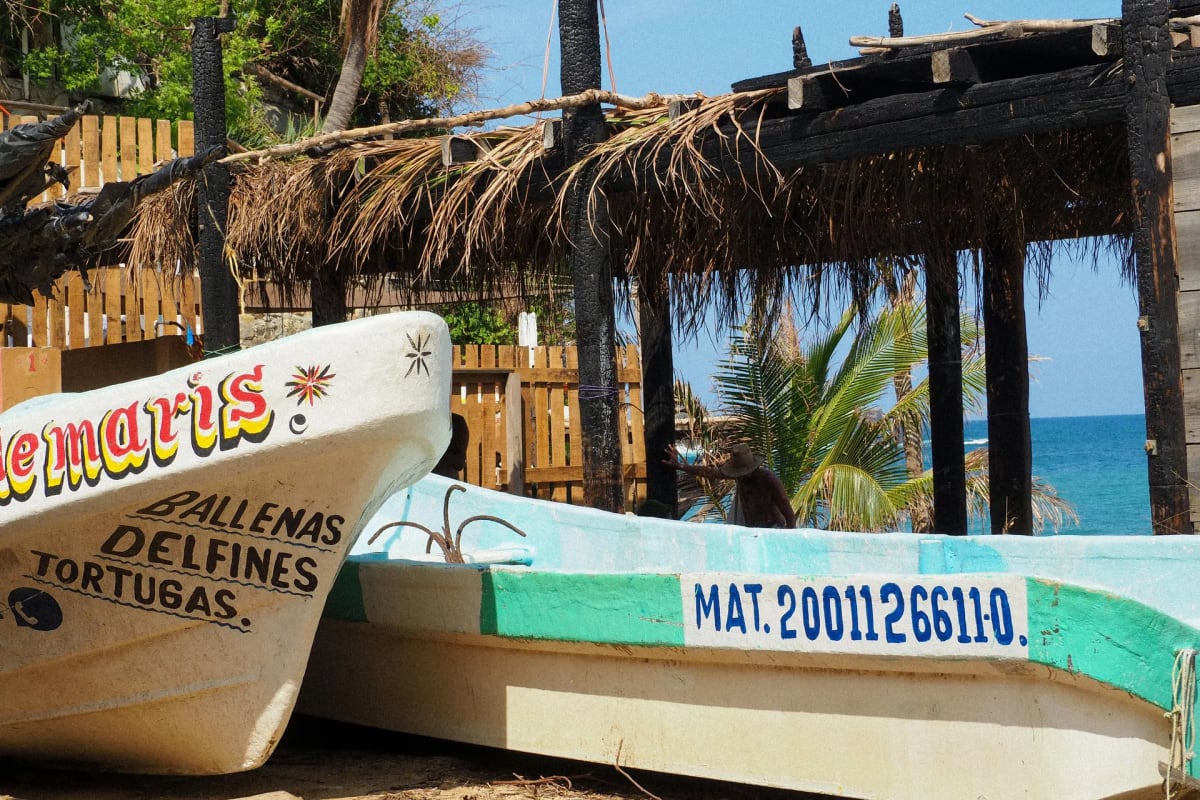
Halfway between Puerto Escondido and the western coast (in the opposite direction toward the west) lies Chacahua: a mangrove lagoon with crocodile pools, untouched beaches, and a fishing community that hasn't changed in decades. If you're planning to spend several days in the region, it's worth a detour.
Tour of Chacahua Lagoon — boat access from Puerto Escondido
Mazunte and Zipolite Are Between the Two
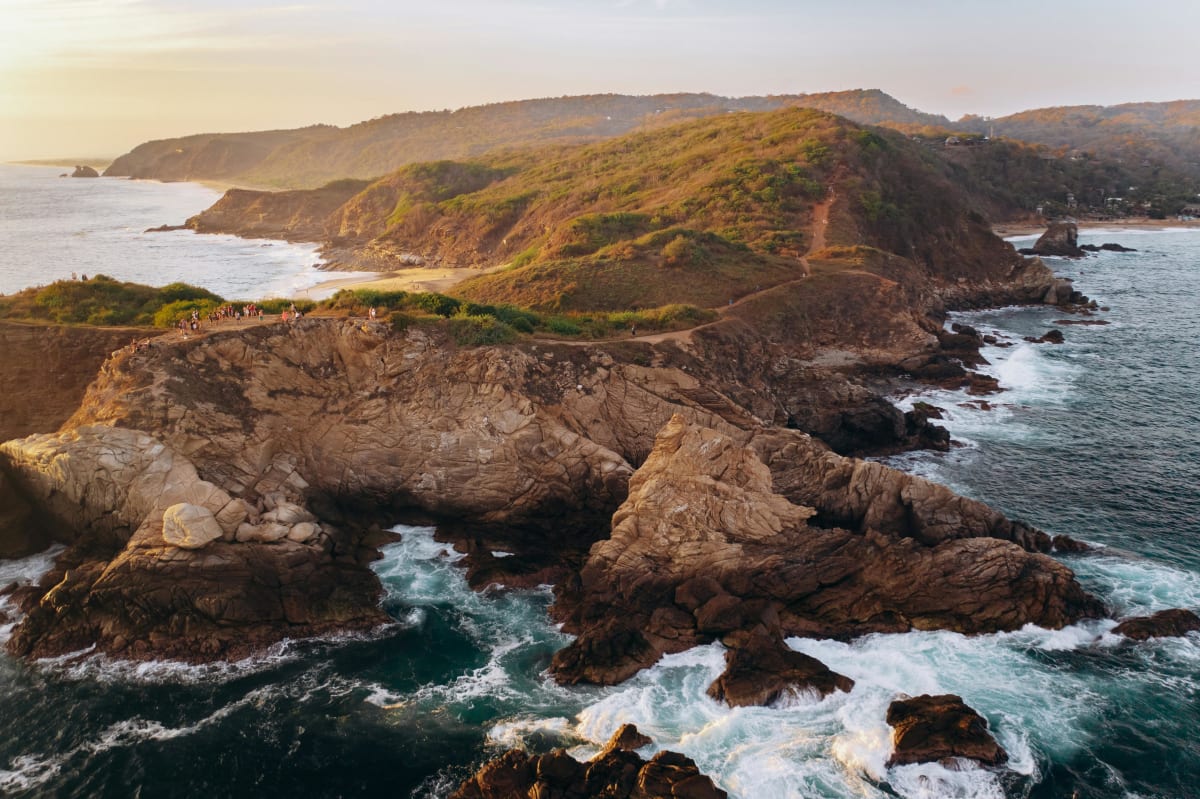
On the road from Puerto Escondido to Huatulco lies Pochutla, and from there, just 20 minutes away, are Zipolite and Mazunte. Zipolite is Mexico's only legal nudist beach. Mazunte has the Punta Cometa viewpoint, considered one of the best sunset spots in the country.
Tour to Mazunte, Zipolite, and Punta Cometa from Puerto Escondido
La Ventanilla's Crocodiles Are on the Route
La Ventanilla lagoon, 90 minutes west of Puerto Escondido toward Huatulco, has a mangrove boat tour where crocodiles sunbathe just meters from the boat. The visit also includes a turtle nursery and bird watching that surprises visitors who came only expecting to see reptiles.
La Ventanilla Tour — crocodiles and turtles in the mangroves
Frequently Asked Questions
Is it better to go from Puerto Escondido to Huatulco, or the other way around?

If you arrive in Puerto Escondido first, Huatulco works as a refinement endpoint: after the markets and wild waves, the calm bays and Crucecita's gastronomy feel like a perfect finale. If you arrive in Huatulco first, Puerto Escondido can feel chaotic initially, but the destination's authenticity ends up winning over most travelers.
How much time do I need to see the essentials of each destination?
For Puerto Escondido: 3 nights is the minimum to see the lagoon, get out on the ocean, and explore the beach zone without rushing. For Huatulco: 2 nights allow for the bay tour and exploring Crucecita at a comfortable pace. Recommended total: 5 nights split between the two.
Are there airports at both destinations?
Yes. Puerto Escondido has an airport with direct flights from Mexico City, Monterrey, and some US cities. Huatulco has the Bahías de Huatulco International Airport, with domestic and international connections. You can arrive at one and leave from the other without retracing your route.
What time of year is best for combining both destinations?
November through May is the dry season, with sunny days and calmer seas. For turtles (July to December) and whales (November to March), you'll need to adjust the calendar. July-August is peak season and more expensive. January-March is the ideal window: no rain, no tourist saturation, and a chance to see whales.
Is it safe to travel between Puerto Escondido and Huatulco?
Highway 200, which connects the two destinations, is one of the most traveled in Oaxaca state and is well-signposted. It's recommended to travel during daylight hours and use ADO buses or vehicles rented from recognized agencies. Avoid informal taxis at intermediate stops.
For more information about specific activities in Puerto Escondido, check our complete guide: Puerto Escondido Beyond Surfing: Activities, Wildlife & Flavors of the Oaxacan Coast.

auto_awesomeContinue exploring Puerto Escondido
You Might Also Like
 articleAdventurescalendar_todayJan 6, 2026
Best Day Trips from Puerto Escondido: Explore Oaxaca’s Hidden Coastal Treasures
Puerto Escondido is more than just world-class surf and stunning sunsets—it’s your gateway to some of Oaxaca’s most brea
 calendar_todayAug 31, 2026
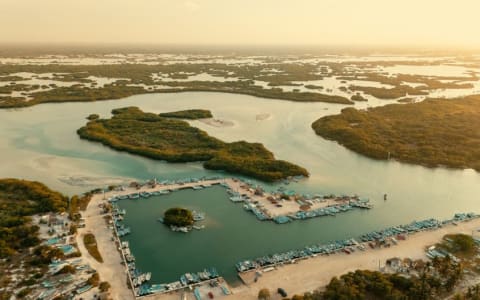
Laguna de Chacahua: The Complete Guide to Oaxaca's Crocodile Lagoon
A complete guide to Laguna de Chacahua's crocodile-filled lagoon, mangrove boat tours, and the bioluminescent beach beyo
 calendar_todayAug 30, 2026
Things to Do in Zipolite, Oaxaca: Beaches, Surf & Sunsets
From Playa del Amor to the nightly mezcal-and-sunset ritual: a local's guide to filling your days in Zipolite, Oaxaca.